How to Improve Gut Health Naturally
An evidence-based guide to building a healthier gut with fiber, fermented foods, sleep, stress management, and practical daily habits.
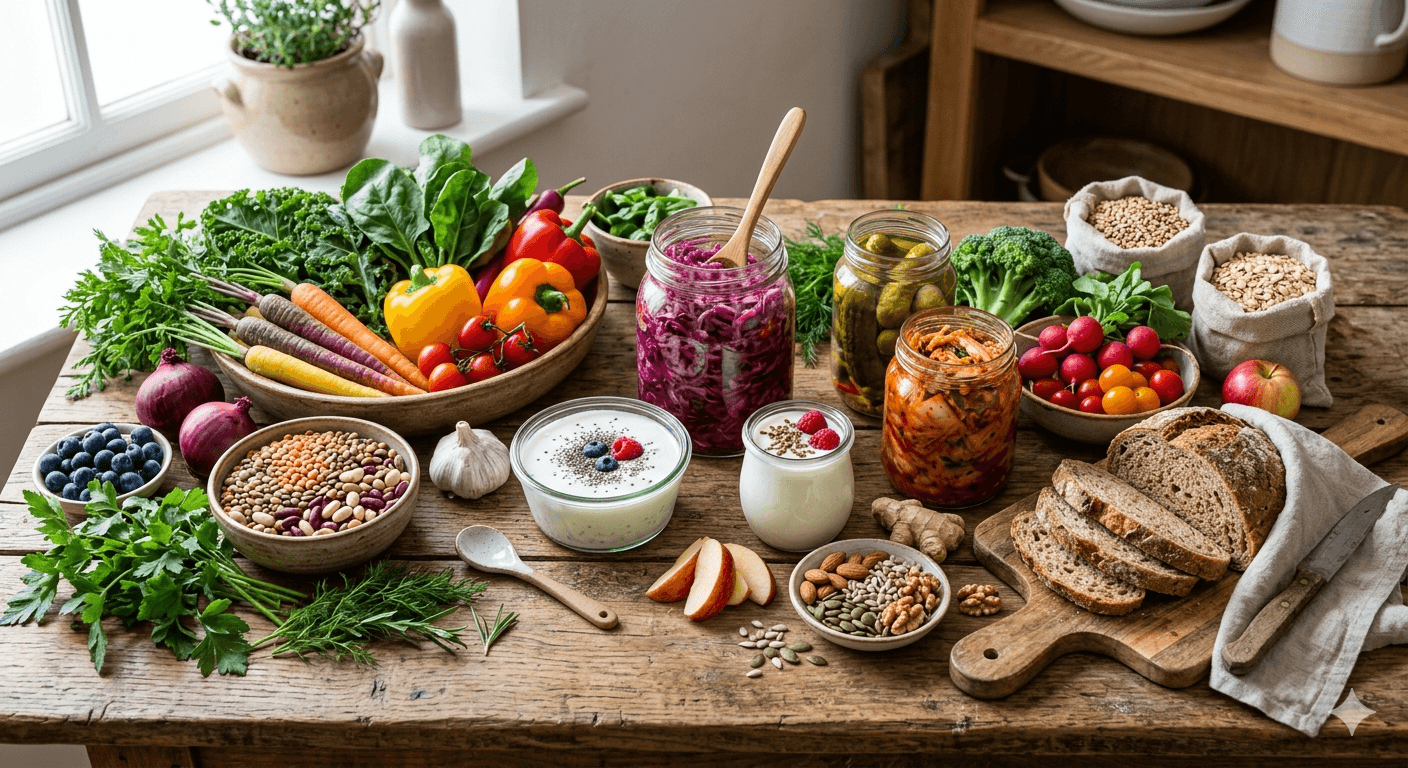
How to Improve Gut Health Naturally
A science-backed guide to rebuilding your microbiome from the inside out
Your gut is home to roughly 100 trillion microorganisms. That number is not a typo. This inner ecosystem — your gut microbiome — influences everything from digestion and immunity to mood and energy levels. When it thrives, you thrive.
This guide covers exactly what the science says about improving gut health without supplements you do not need or extreme protocols that do not last. Just practical, evidence-backed changes that compound over time.
What Is Gut Health, Actually?
Gut health refers to the balance and diversity of the trillions of bacteria, fungi, and other microbes living in your digestive tract. A healthy gut has a rich variety of beneficial microbes, a strong intestinal lining, and smooth two-way communication with your brain via the gut-brain axis. When this balance tips — through poor diet, stress, or antibiotics — it is called dysbiosis, and the knock-on effects touch almost every system in your body.
Science-Backed Ways to Improve Your Gut
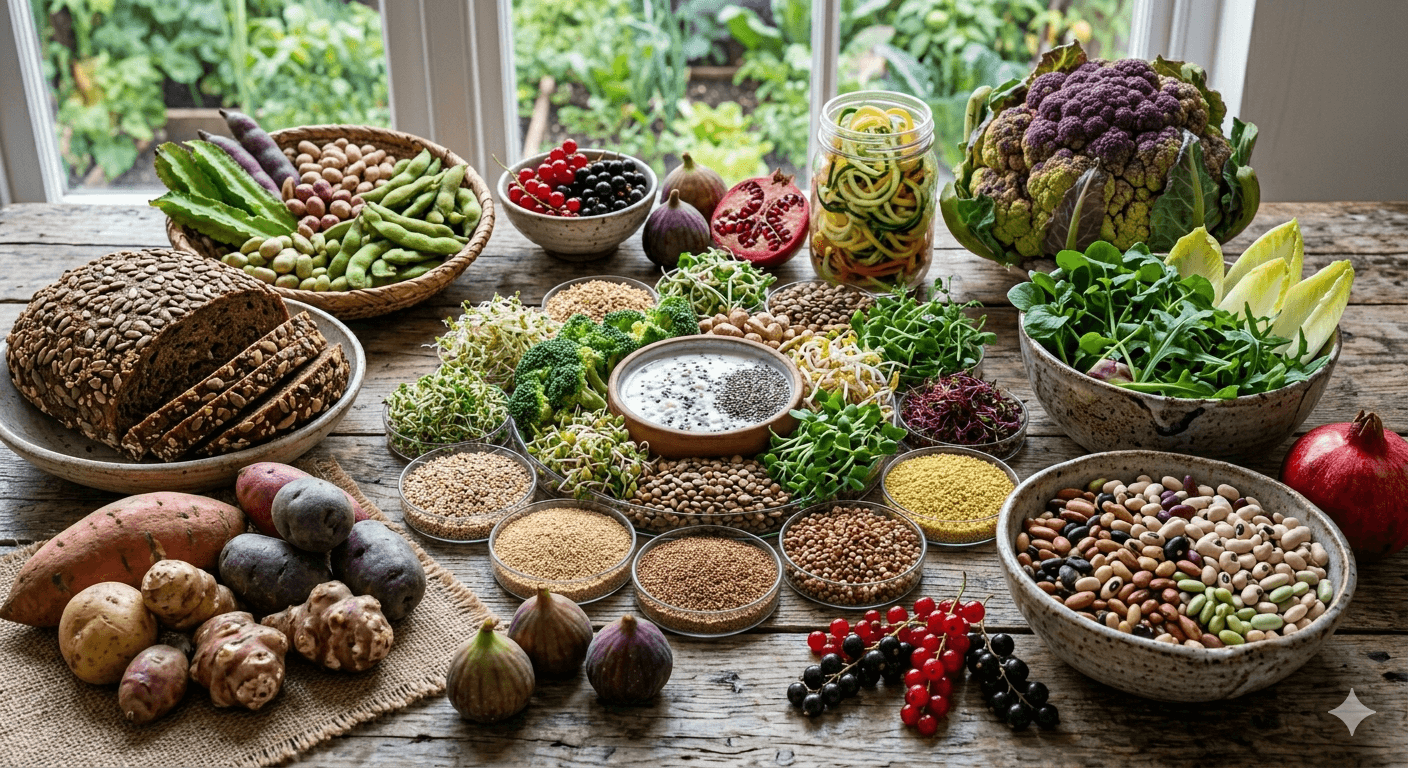
Eat More Fiber — Especially Diverse Fiber
Dietary fiber is the primary food source for your beneficial gut bacteria. The more diverse your fiber intake — from vegetables, fruits, legumes, and whole grains — the more diverse your microbiome becomes. Diversity is the key metric of a healthy gut.
Research from the Human Gut Project shows that people eating 30+ different plant foods per week have significantly more diverse microbiomes than those eating fewer than 10.
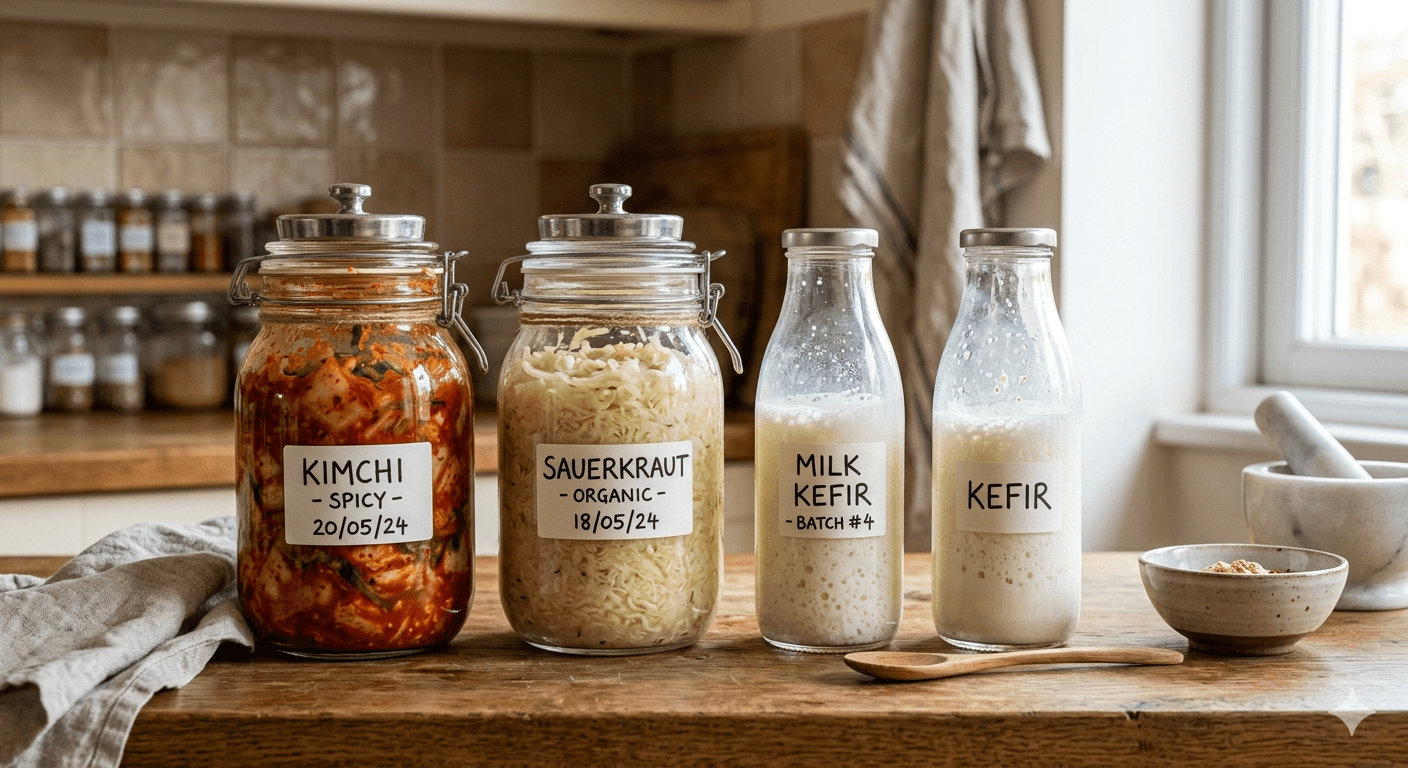
Add Fermented Foods to Your Daily Diet
Fermented foods — yogurt, kefir, kimchi, sauerkraut, miso, kombucha — are rich in live beneficial bacteria (probiotics) and their byproducts. They actively seed your gut with good microbes and have been shown to reduce inflammatory markers in the body.
A 2021 Stanford study found that a high-fermented-food diet increased microbiome diversity and decreased 19 inflammatory proteins — results that a high-fiber diet alone did not match.

Prioritize Sleep — Your Gut Resets Overnight
Your gut microbiome follows a circadian rhythm just like you do. Poor or inconsistent sleep disrupts microbial balance, increases gut permeability (the so-called leaky gut), and ramps up systemic inflammation. Seven to nine hours of consistent sleep is not optional for gut health.
Studies show that even two nights of sleep restriction measurably shifts the gut microbiome toward less favorable bacterial profiles.

Manage Stress — The Gut-Brain Axis Is Real
Chronic stress floods the gut with cortisol and adrenaline, altering motility (how fast food moves through), killing off beneficial bacteria, and increasing gut permeability. The gut and brain are in constant conversation via the vagus nerve — what stresses your mind directly stresses your microbiome.
Animal and human studies consistently show that psychological stress reduces microbial diversity and increases populations of potentially harmful bacteria within days.

Move Your Body — Exercise Feeds Good Bacteria
Physical activity directly influences the gut microbiome independent of diet. Exercise increases short-chain fatty acid (SCFA) production — the metabolites your good bacteria make that protect your gut lining and reduce inflammation. Even moderate activity makes a measurable difference.
A 2019 review found that exercise increases gut microbial diversity and SCFA-producing bacteria, with effects appearing after just six weeks of regular moderate activity.
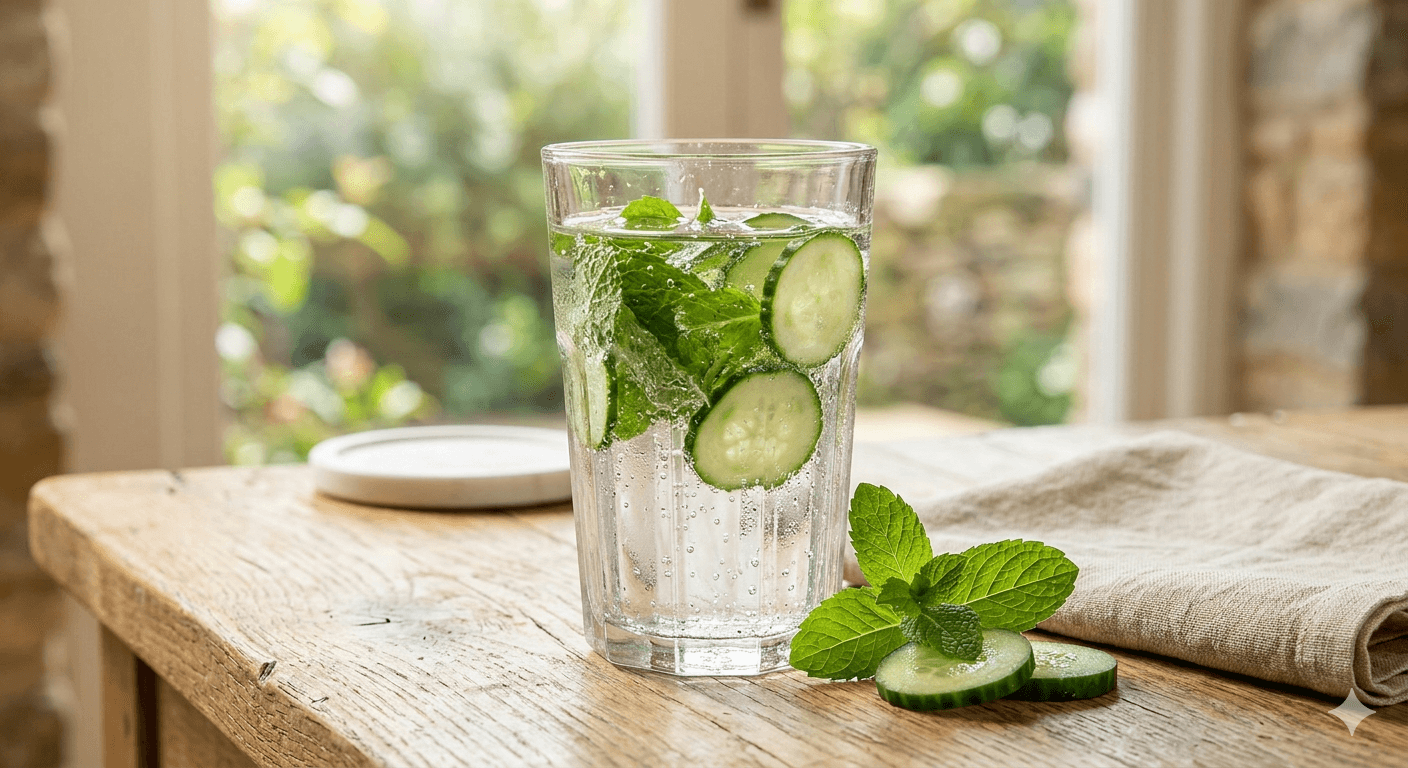
Stay Hydrated — Water Is Infrastructure
Water is essential for the mucosal lining of the intestines and for the smooth transit of food and waste. Dehydration slows digestion, concentrates waste in the colon, and stresses the microbial environment. Plain water is best — sugary drinks do the opposite.
Research shows that adequate hydration supports a thicker, more protective mucus layer in the gut — a critical barrier between your microbiome and your intestinal wall.
Best Foods for a Healthy Gut
What you eat is the single most powerful lever for your microbiome. These foods are consistently supported by research as gut-health champions:
Broccoli, cauliflower, and Brussels sprouts feed diverse gut bacteria and contain glucosinolates that support gut lining integrity.
Packed with live cultures including Lactobacillus strains. Kefir contains up to 61 strains of bacteria and yeasts.
Rich in inulin and fructooligosaccharides — prebiotic fibers that selectively feed beneficial Bifidobacterium species.
High in resistant starch, which passes undigested to the colon and acts as premium fuel for beneficial bacteria.
Rich in polyphenols that act as prebiotics and have been shown to increase Akkermansia muciniphila — a keystone gut bacteria.
Beta-glucan fiber in oats is one of the most studied prebiotics, supporting Lactobacillus growth and reducing gut inflammation.
Lentils, chickpeas, and black beans are fiber and resistant starch powerhouses — among the best foods for SCFA production.
Fermented cabbage delivers Lactobacillus bacteria plus fiber. A two-for-one of probiotics and prebiotics.
Polyphenols in EVOO selectively promote beneficial bacteria and reduce gut inflammation — a Mediterranean diet cornerstone.
Signs Your Gut Health Needs Attention
The gut communicates when something is off. Here are signals worth taking seriously — not to alarm you, but to prompt action:
Chronic Bloating or Gas
Occasional bloating is normal. Persistent bloating, especially after most meals, often signals bacterial imbalance or poor digestion of certain carbohydrates.
Irregular Bowel Movements
Constipation, diarrhea, or alternating between both can indicate a disrupted gut microbiome or issues with gut motility.
Constant Fatigue
Up to 90% of serotonin is produced in the gut. When the microbiome is off, neurotransmitter production falters — affecting energy and mood.
Food Intolerances Multiplying
Developing sensitivities to foods you used to tolerate can indicate increased intestinal permeability — often called leaky gut.
Frequent Illness
About 70-80% of your immune system lives in your gut. Poor microbial diversity often shows up as reduced immune resilience.
Skin Issues
Conditions like eczema, acne, and rosacea have established links to gut dysbiosis through the gut-skin axis — an emerging area of research.
Habits That Quietly Wreck Your Gut
Improving gut health is as much about what you stop doing as what you start. These common habits do more damage than most people realize:
Overusing Antibiotics
Antibiotics wipe out beneficial bacteria along with harmful ones. A single course can alter your microbiome for months. Use only when necessary, and follow with probiotics and a fiber-rich diet to rebuild.
Eating Ultra-Processed Foods Daily
Emulsifiers, artificial sweeteners, and preservatives in ultra-processed foods directly disrupt the gut lining and reduce microbial diversity. These ingredients were designed for shelf life, not gut life.
Chronic Alcohol Consumption
Alcohol is directly toxic to gut bacteria, increases intestinal permeability, and promotes the growth of harmful bacterial species — even at moderate intake over time.
Eating Too Fast
Digestion begins in the mouth. Rushing meals reduces chewing, skips the enzyme-rich saliva phase, and overwhelms the stomach — leading to fermentation issues lower in the digestive tract.
Chronic Sleep Deprivation
Less than 6 hours of sleep consistently disrupts the circadian rhythm of your microbiome, shifting bacterial populations toward inflammatory profiles within days.
Ignoring Stress
Untreated chronic stress is one of the most underappreciated causes of gut dysbiosis. The cortisol and inflammation it generates reshape the microbiome in ways that take months to reverse.
A Simple 30-Day Gut Reset Plan
You do not need a dramatic overhaul. Small, consistent changes stack into real results. Here is a phased approach that works with real life:
Remove & Reduce
Cut out ultra-processed foods, sugary drinks, and alcohol. Not forever — just for this phase. Your gut bacteria respond to dietary changes within 24-48 hours.
Add Diversity
Aim for 20+ different plant foods this week. Do not overthink it — every vegetable, fruit, nut, seed, legume, and whole grain counts. Variety is the whole game.
Introduce Fermented Foods
Add one serving of fermented food daily — yogurt at breakfast, kimchi with dinner, kefir as a snack. Start small if your gut is sensitive and build from there.
Lock In Lifestyle
Focus on sleep consistency, stress management (even 10 minutes of breathing or walking counts), and daily movement. These compound with your dietary changes for lasting results.
Common Questions About Gut Health
How long does it take to improve gut health?
The microbiome responds surprisingly fast — dietary changes show measurable shifts in gut bacteria within 3-4 days. But meaningful, lasting improvement in diversity and function takes 4-8 weeks of consistent changes. Think marathon, not sprint.
Do I need probiotic supplements?
For most healthy people, food-based probiotics (yogurt, kefir, kimchi) are sufficient and often more effective than supplements, which typically contain far fewer strains. Supplements have a clearer role after antibiotics or for specific conditions — consult your doctor for personalized guidance.
What is a leaky gut and is it real?
Intestinal permeability — colloquially called leaky gut — is a real, measurable phenomenon where the tight junctions of the gut lining weaken, allowing bacteria and toxins to enter the bloodstream. It is associated with inflammation and several autoimmune conditions. It is real, but the term is also overused in wellness marketing.
Can stress really affect gut health?
Yes — profoundly. The gut and brain share the enteric nervous system and communicate constantly via the vagus nerve. Chronic stress elevates cortisol, alters gut motility, kills beneficial bacteria, and increases permeability. Managing stress is not optional for gut health.
Is coffee good or bad for gut health?
Mostly good, in moderation. Coffee promotes bowel motility, and its polyphenols act as prebiotics. Studies show coffee drinkers have higher populations of anti-inflammatory Lactobacillus. However, excessive coffee on an empty stomach can irritate the gut lining for sensitive individuals.
What about gut health tests — are they worth it?
Consumer microbiome tests have improved but remain limited in clinical value. They can reveal interesting patterns but lack standardized reference ranges and cannot yet reliably diagnose conditions. More useful: eat a diverse diet, track how foods make you feel, and consult a gastroenterologist for persistent symptoms.
Related Articles
Tags
Reviewed by Myrth Evidence Review
Editorial review for accuracy, sourcing, and medical-advice boundaries. We focus on clear, practical health and nutrition content grounded in established evidence and written for everyday decisions.
Sources
- Probiotics Fact Sheet for Health Professionals - NIH Office of Dietary Supplements
- Fiber - Harvard T.H. Chan School of Public Health
Get our weekly digest
One well-researched health or nutrition article per week. No spam.