Best Protein Foods to Add to Your Weekly Diet
Protein matters for muscle, fullness, and recovery. These simple food choices make it easier to hit your protein goals without overcomplicating your meals.
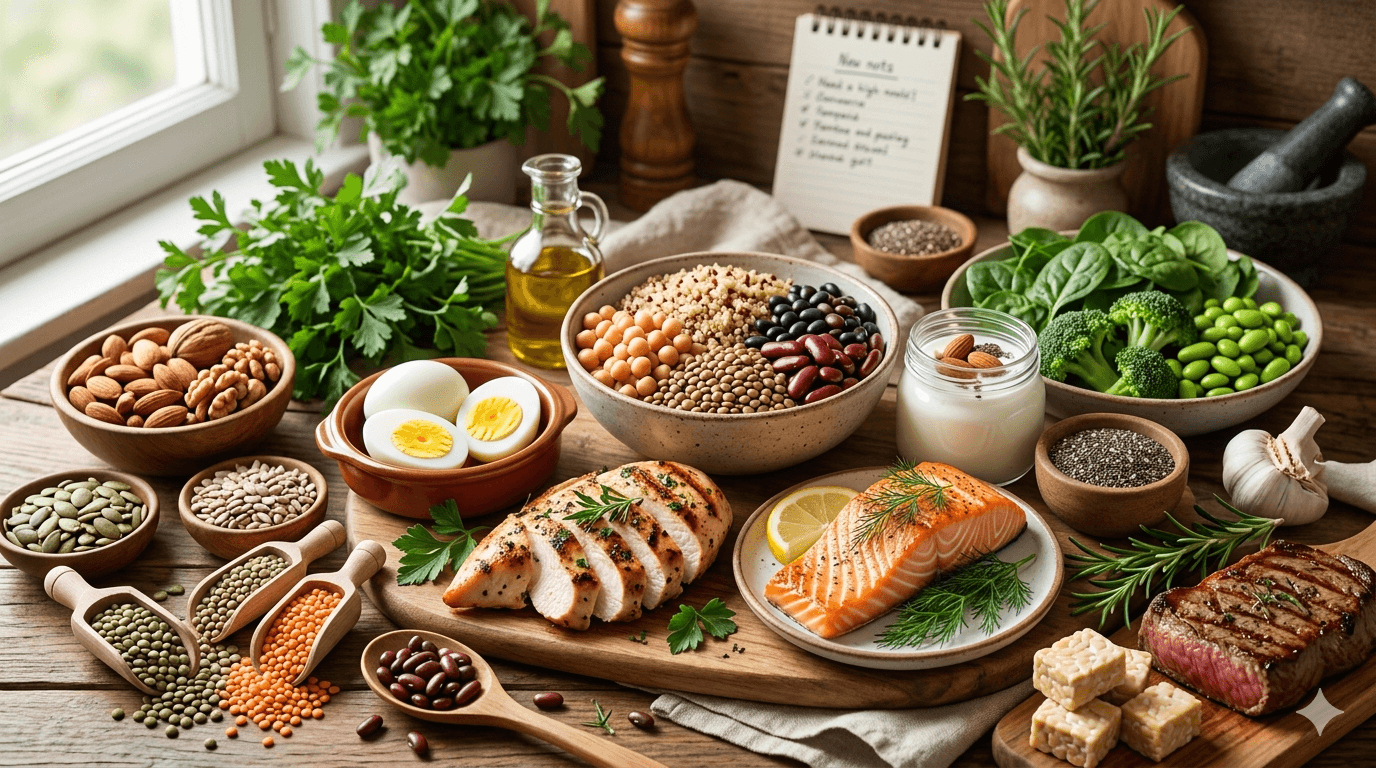
Top 10 Protein Sources Ranked
Science-backed guide to the best high-protein foods
Protein supports muscle maintenance, repair, satiety, and healthy aging. You do not need expensive supplements to get more of it. A few reliable foods can cover most people very well.
This guide ranks the top 10 protein sources based on protein content, nutritional value, accessibility, and overall health benefits. Whether you're building muscle, managing weight, or simply eating healthier, these foods deliver.
Top 10 High-Protein Foods Ranked
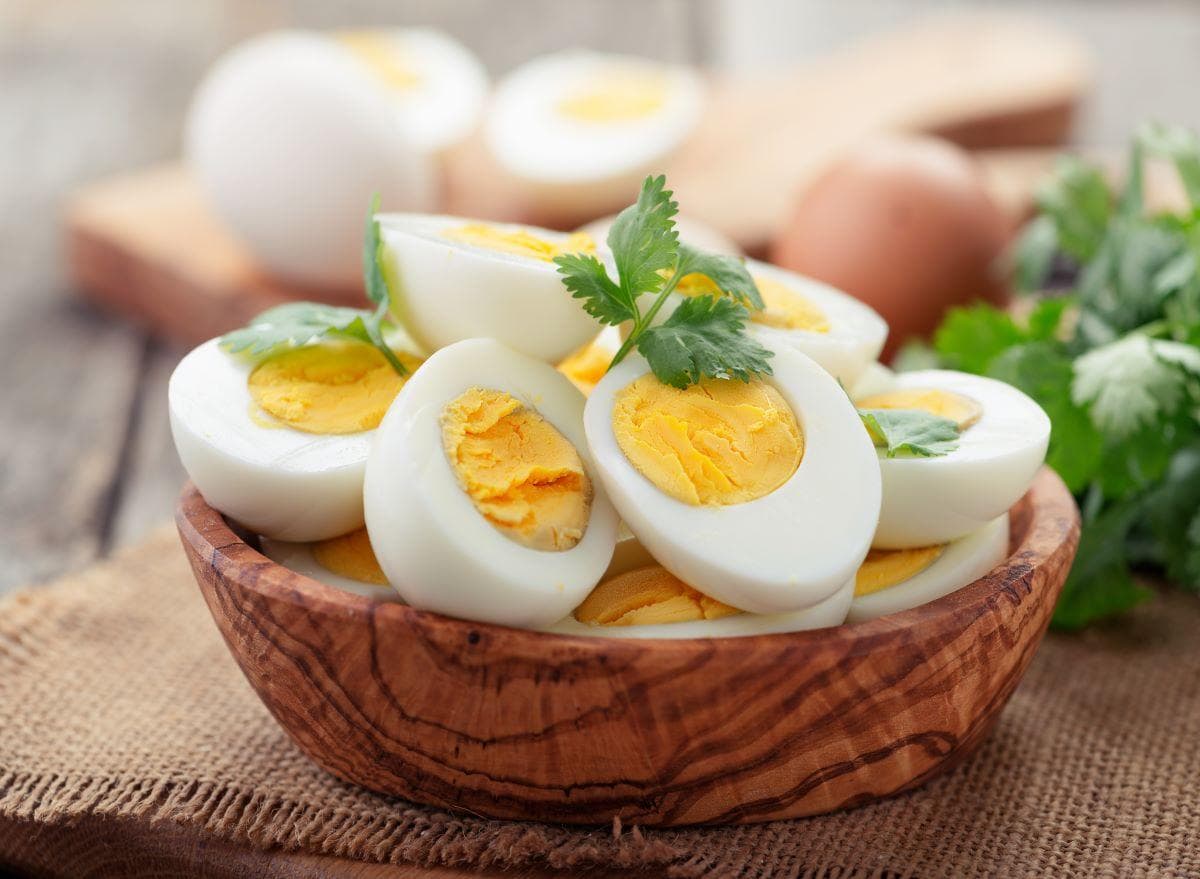
Eggs
6g per large egg
Complete protein with all essential amino acids, rich in vitamins B12 and D, supports muscle repair and brain health.
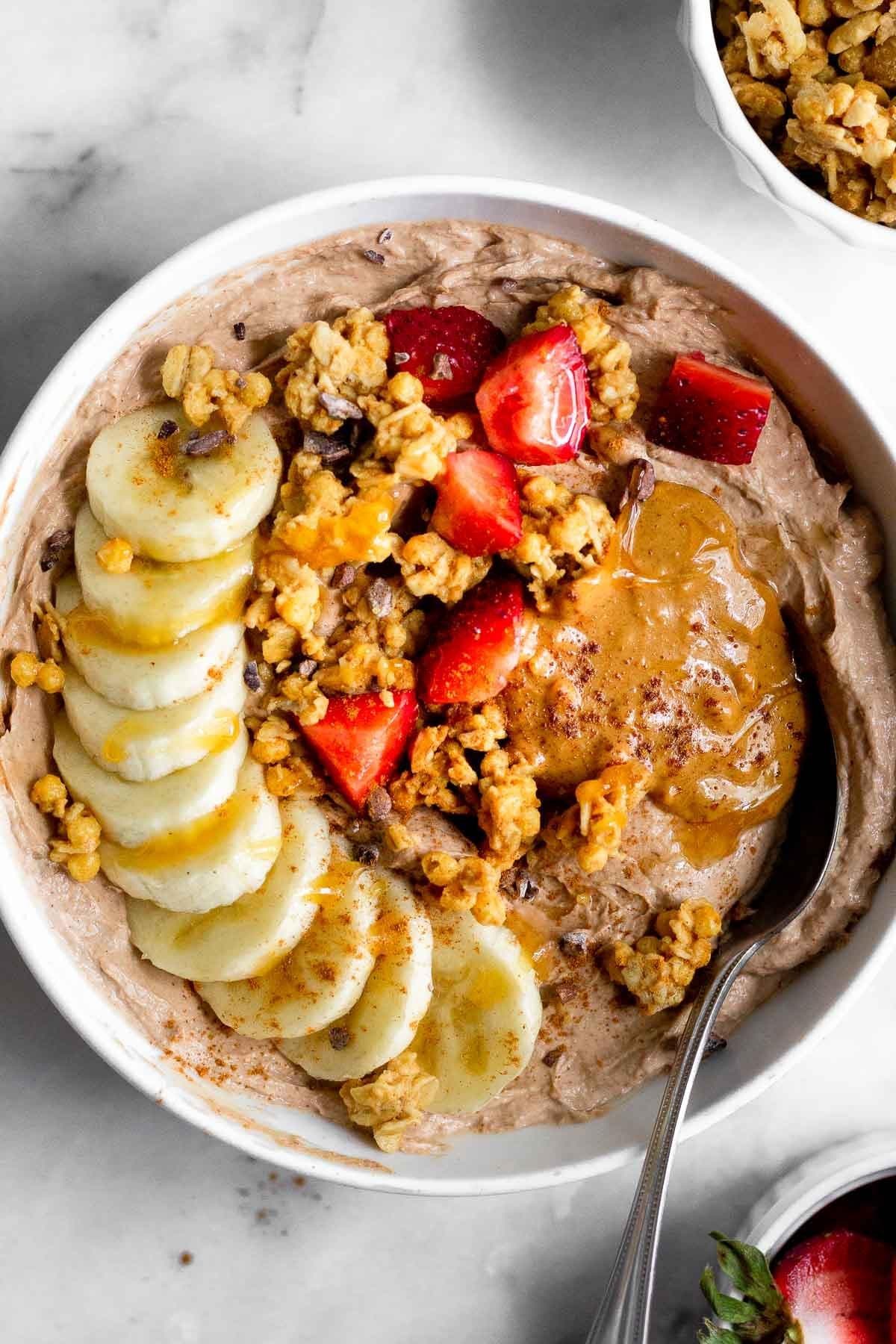
Greek Yogurt
15-20g per cup
High protein, probiotics for gut health, calcium for bone strength, versatile for meals and snacks.
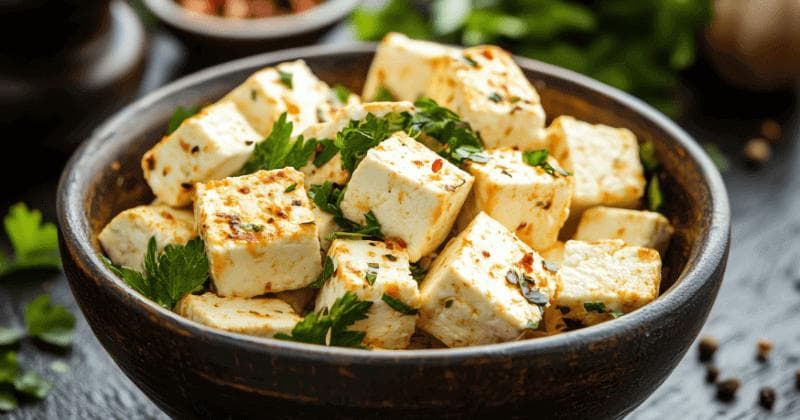
Paneer
18g per 100g
Indian cottage cheese, rich in calcium and casein protein, vegetarian-friendly, excellent for Indian cuisine.
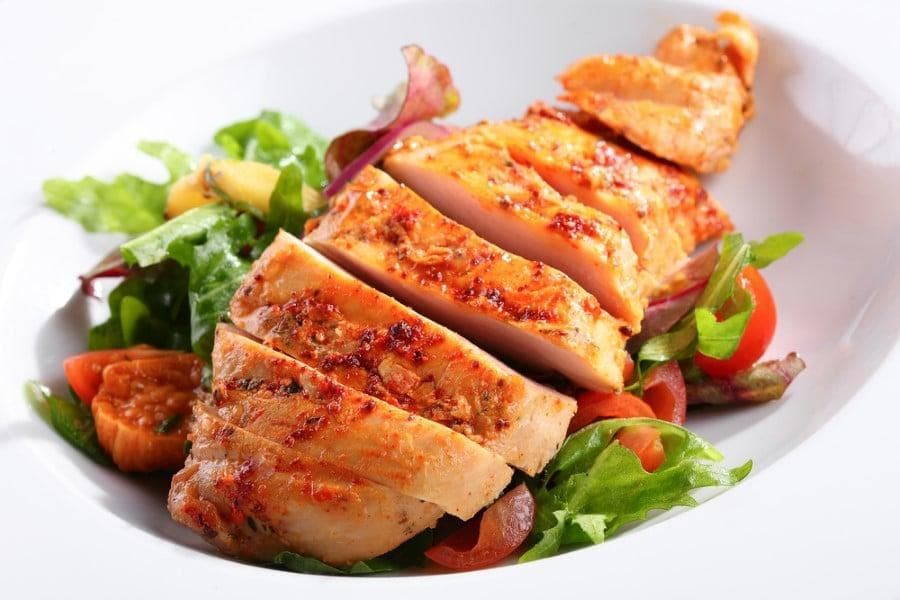
Chicken Breast
31g per 100g
Lean protein, low in fat, rich in B vitamins, supports muscle growth and weight management.
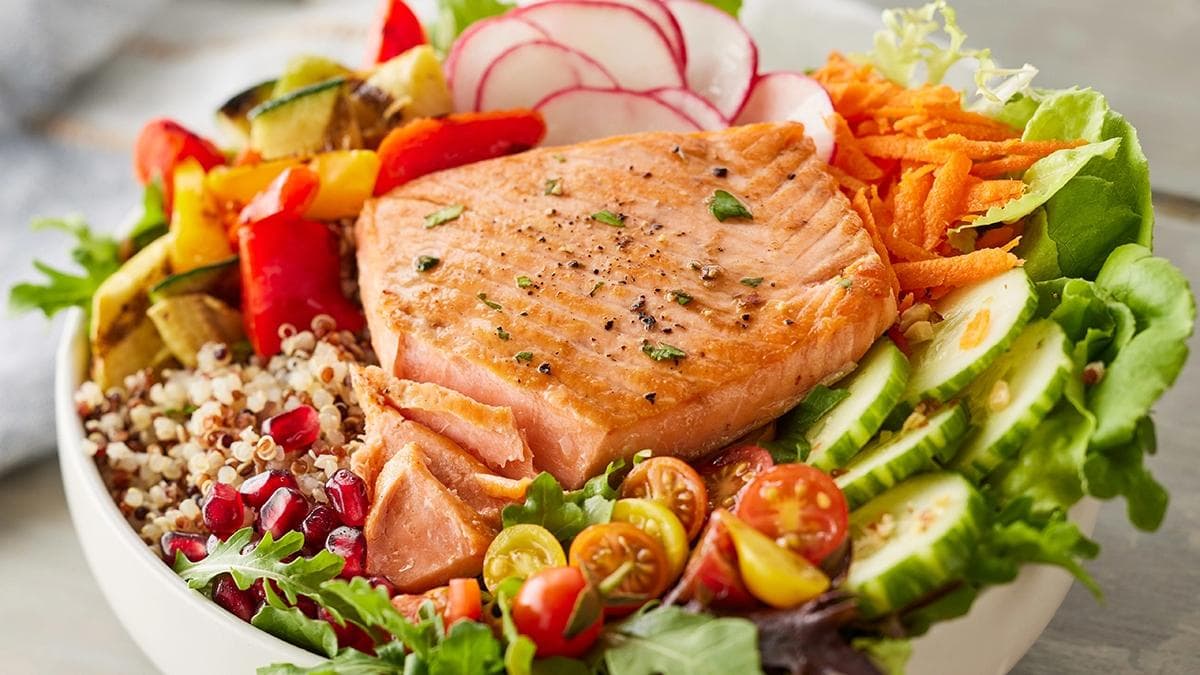
Fish (Salmon, Tuna)
20-25g per 100g
Omega-3 fatty acids for heart health, vitamin D, anti-inflammatory properties, supports brain function.
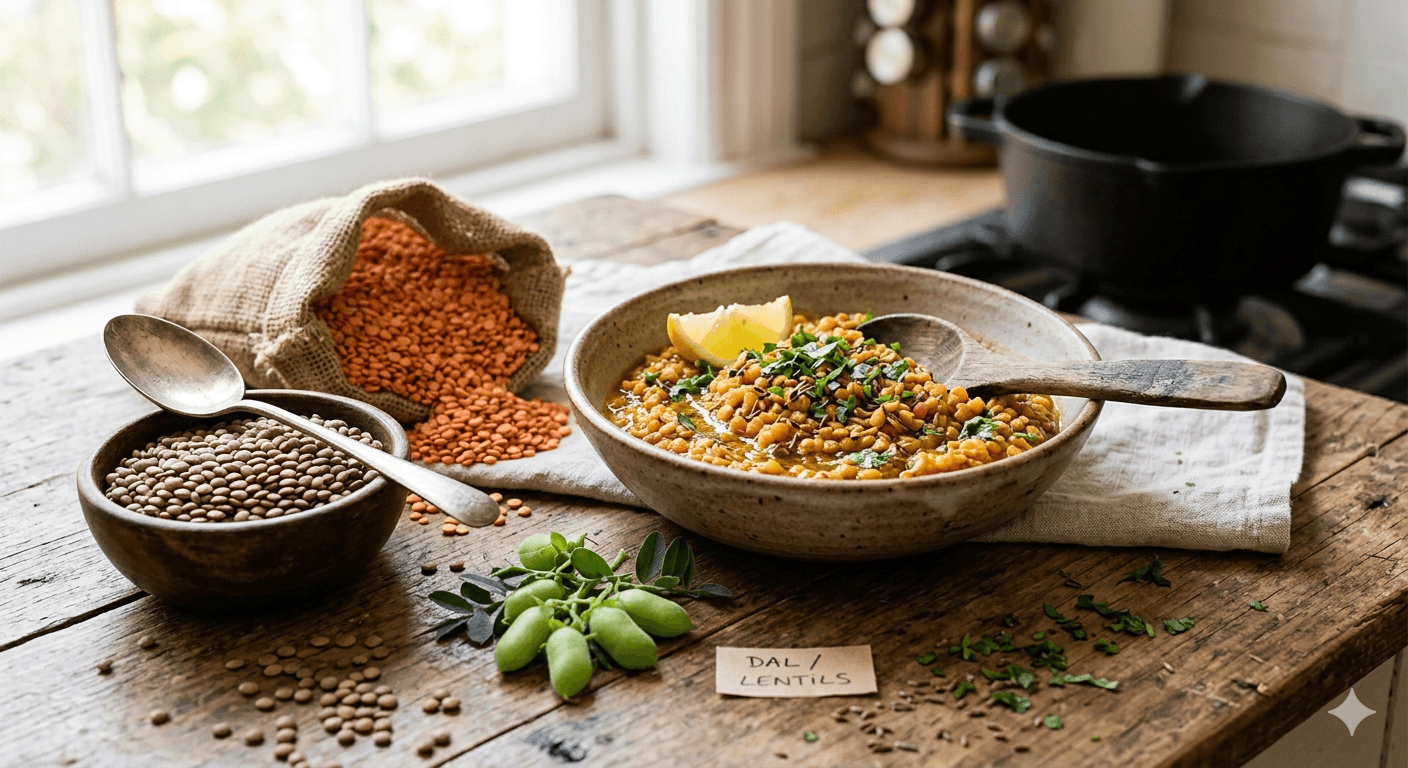
Lentils (Dal)
9g per half cup cooked
Plant-based protein, high in fiber, iron, and folate, budget-friendly, supports digestive health.
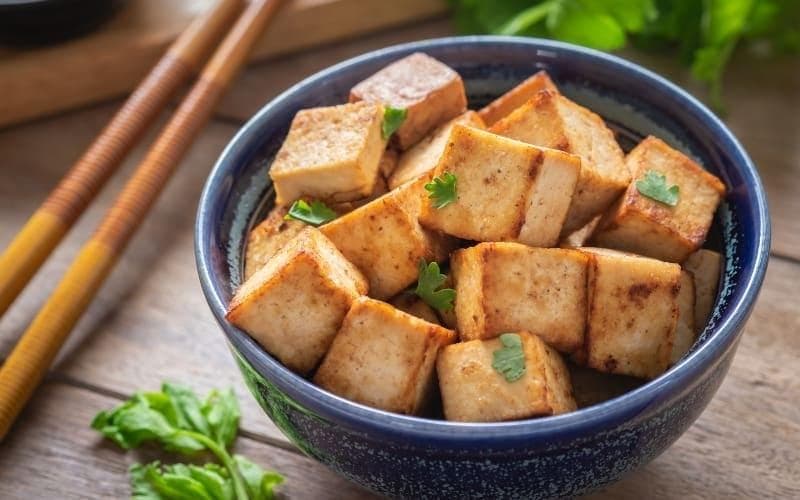
Tofu
8g per 100g
Plant-based complete protein, low in calories, versatile for cooking, contains iron and calcium.
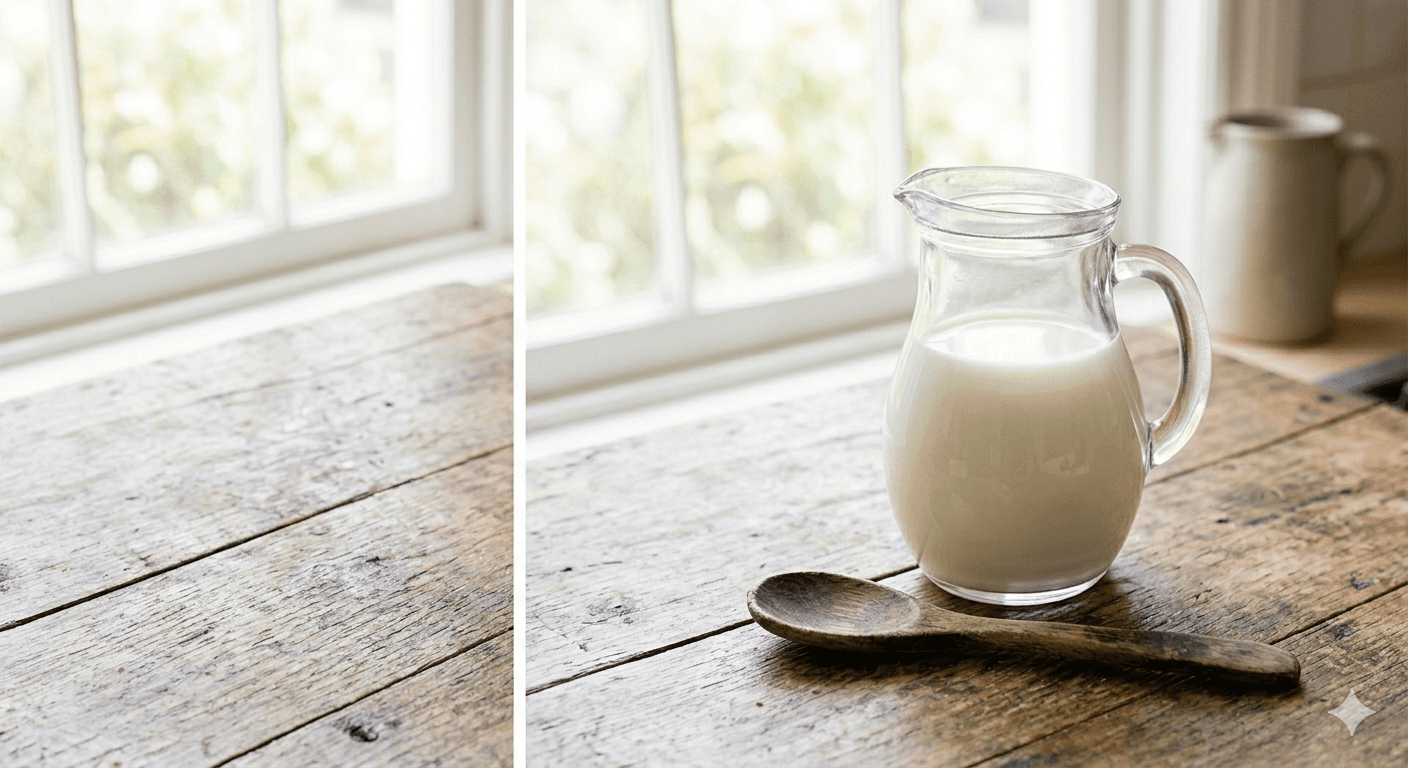
Milk
8g per cup
Whey and casein proteins, calcium and vitamin D for bones, hydrating, affordable and accessible.
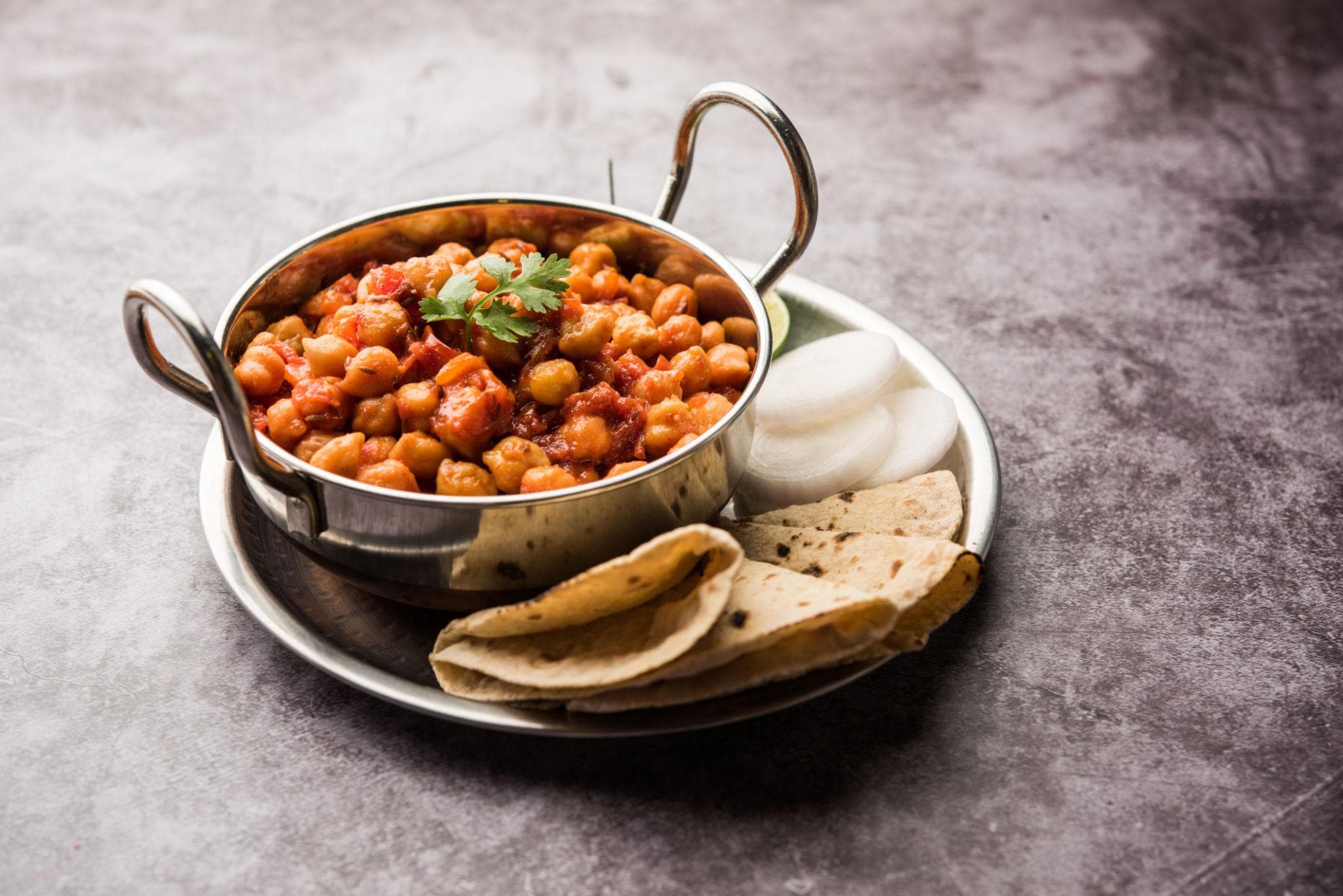
Chickpeas
7.3g per half cup cooked
Plant protein with fiber, versatile for salads and curries, supports blood sugar control and satiety.
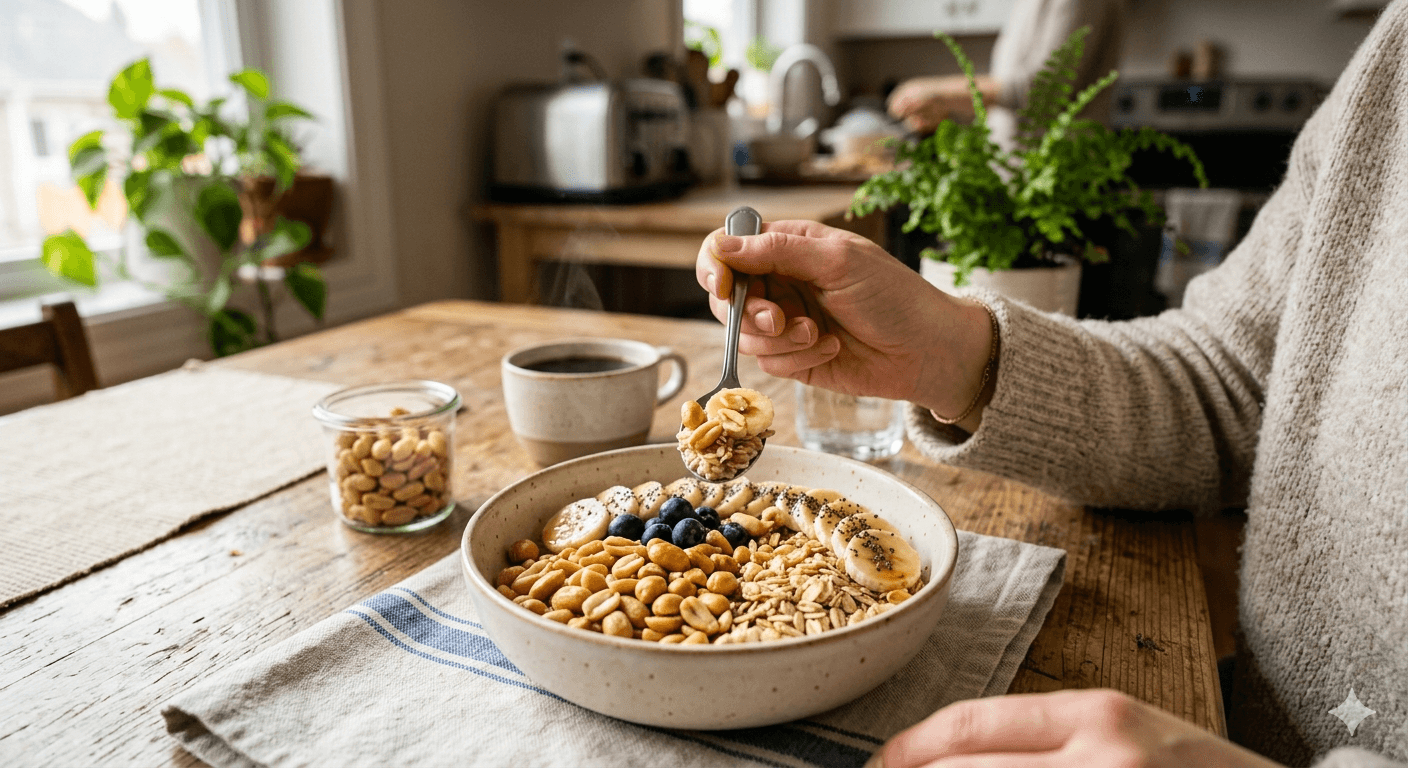
Peanuts
7g per ounce
Protein and healthy fats, portable snack, contains vitamin E and magnesium, supports heart health.
How to Choose Better Protein Sources
Look for foods that fit your routine, are easy to prepare, and give you more than just protein. The best protein sources provide additional nutritional benefits:
- Greek yogurt supports gut health with probiotics
- Lentils and chickpeas add fiber for digestive health
- Fish provides omega-3 fats for heart and brain health
- Eggs deliver all essential amino acids and vitamin D
- Paneer offers calcium for bone strength
A Simple Rule for Daily Protein
Try adding one meaningful protein source to each main meal.
That single habit can make everyday eating more balanced and more filling. You do not need to overthink it - just choose from the list above and rotate through options you enjoy.
Frequently Asked Questions
What are the best high-protein foods?
The best high-protein foods include eggs, Greek yogurt, paneer, chicken breast, and fish like salmon. These foods provide complete proteins along with helpful nutrients.
How much protein do I need per day?
Most adults need 0.8-1g of protein per kilogram of body weight daily. Active individuals and those building muscle may need more.
What are the best plant-based protein sources?
Top plant-based protein sources include lentils, tofu, chickpeas, and peanuts. They provide protein along with fiber and micronutrients.
Do I need protein supplements?
Most people can meet their protein needs through whole foods. Supplements can be convenient, but they're not necessary for most balanced diets.
Related Articles
Tags
Reviewed by Myrth Evidence Review
Editorial review for accuracy, sourcing, and medical-advice boundaries. We focus on clear, practical health and nutrition content grounded in established evidence and written for everyday decisions.
Sources
- High-protein foods: The best protein sources to include in a healthy diet - Harvard Health Publishing
Get our weekly digest
One well-researched health or nutrition article per week. No spam.