What Happens to Your Body When You Eat Amla Every Day
Nine science-backed benefits of eating amla daily, from Vitamin C and immunity to hair, skin, gut health, blood sugar, and heart support.
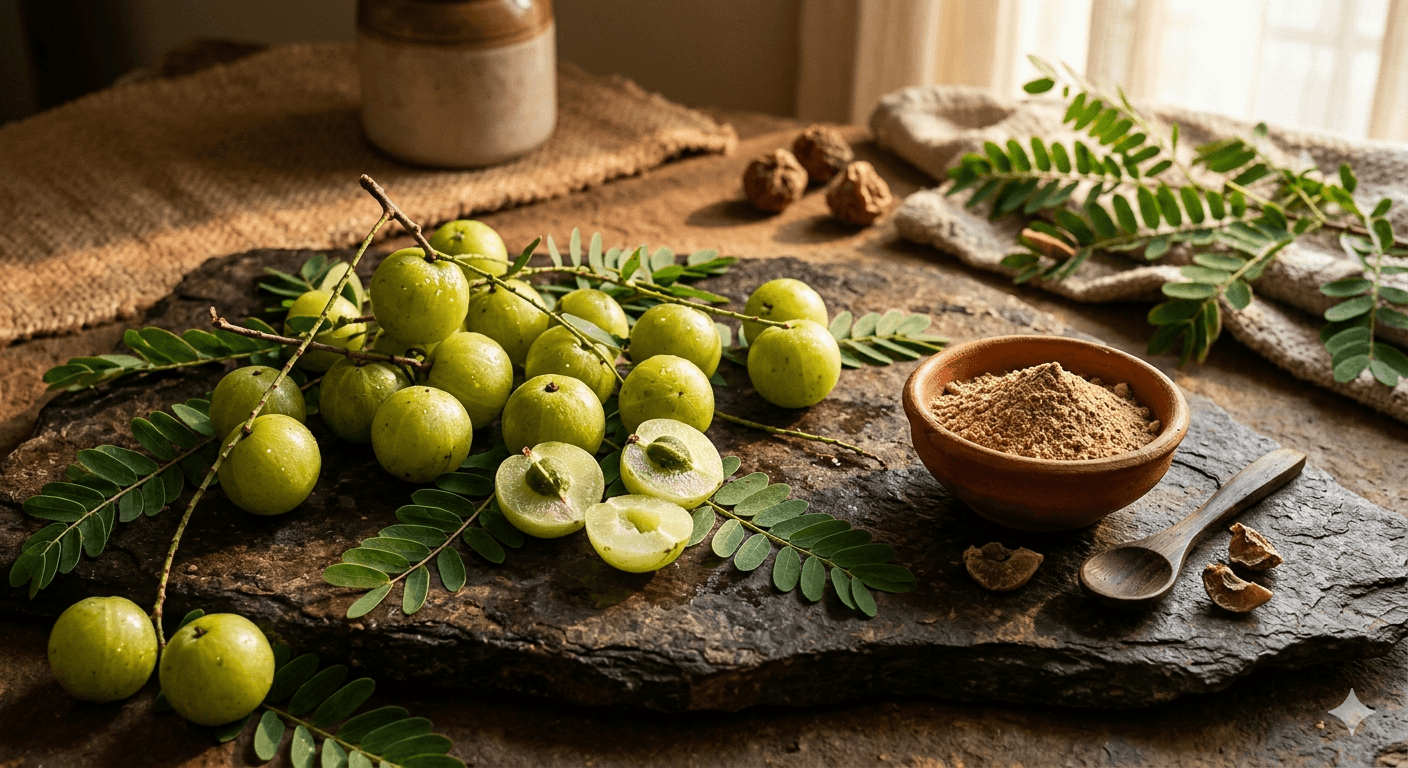
What Happens to Your Body When You Eat Amla Every Day
9 science-backed transformations that unfold when you make Indian gooseberry a daily habit — from your immune system to your hair follicles
Amla has been at the center of Indian medicine for over 5,000 years. Ayurvedic practitioners called it a 'divine fruit' and used it to treat everything from digestive disorders to premature ageing. For most of that history, the rest of the world had no idea what they were missing.
Modern nutritional science has finally caught up — and it turns out the ancients were onto something remarkable. A single fresh amla contains more Vitamin C than an orange. It is one of the most antioxidant-dense foods ever measured. And the benefits that accumulate when you eat it daily are not subtle. Here is exactly what happens to your body when amla becomes a non-negotiable part of your routine.
9 Things That Happen When You Eat Amla Every Day
Your Immune System Gets a Supercharge
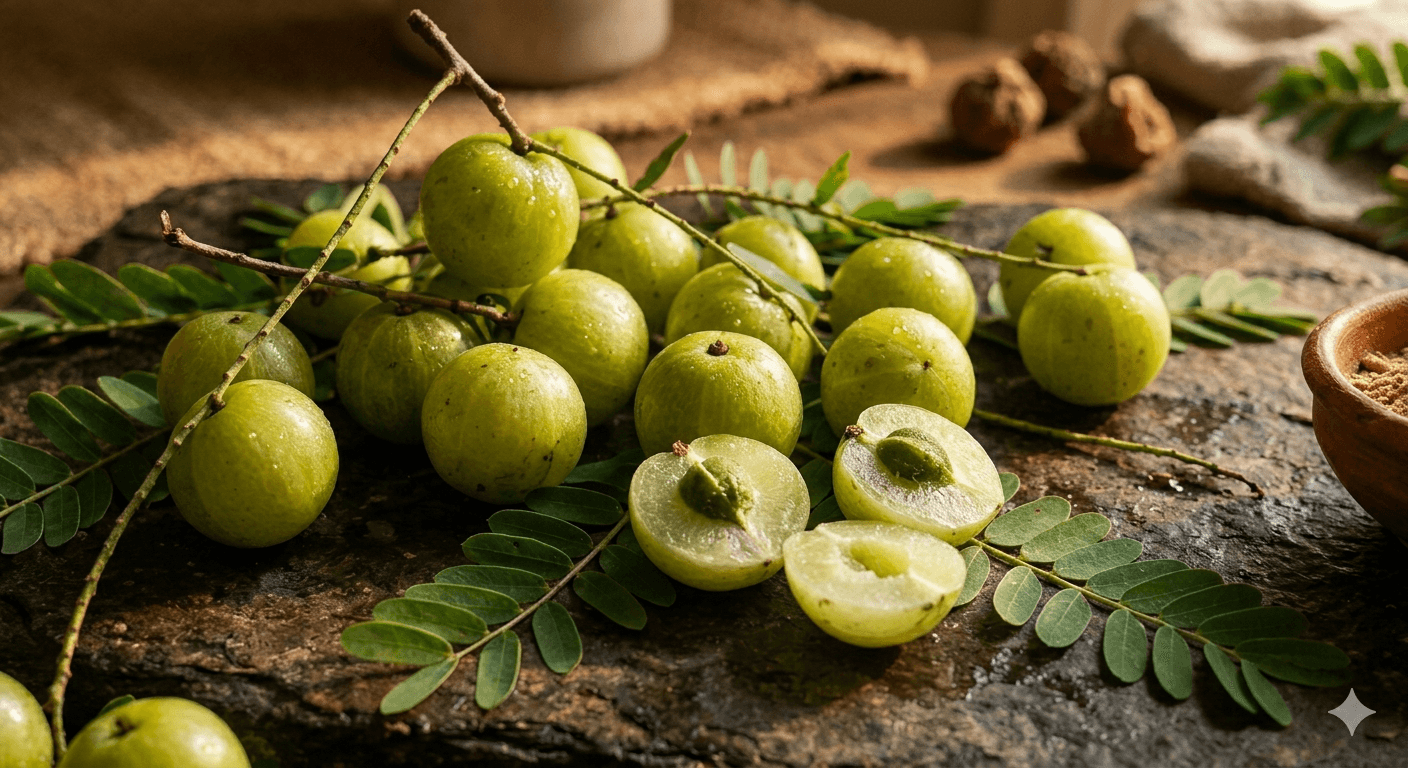
A single fresh amla contains 600–700mg of Vitamin C — roughly 20 times more than an orange by weight. But what makes amla's Vitamin C extraordinary is its stability. Unlike isolated ascorbic acid supplements, the Vitamin C in amla is bound to tannins that prevent oxidation, meaning it remains active far longer in your body. Vitamin C is the cornerstone of immune function — it stimulates the production of white blood cells, acts as a direct antioxidant against pathogens, and accelerates wound healing. Daily amla consumption keeps your Vitamin C levels consistently elevated, building an immune reservoir rather than a short-term spike.
Your Hair Becomes Visibly Thicker and Stronger
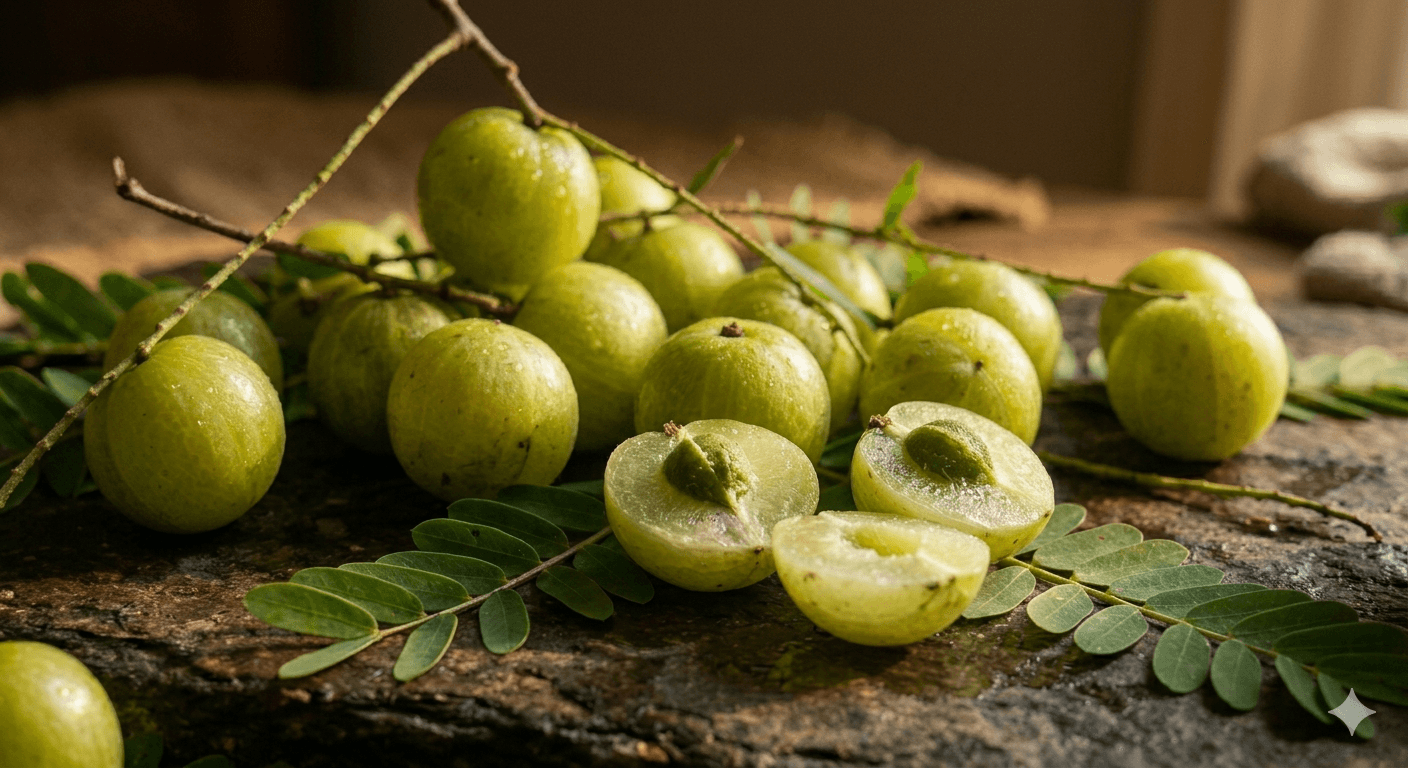
This is perhaps amla's most celebrated beauty benefit — and it is extensively backed by research. Amla is exceptionally rich in iron, Vitamin C, and gallic acid, all of which directly nourish hair follicles. Vitamin C is required for collagen synthesis, which is the structural protein your hair shaft is made of. Iron deficiency is one of the leading causes of hair fall in women, and amla's iron content combined with its Vitamin C (which dramatically enhances iron absorption) addresses this at the root. Multiple clinical studies show regular amla consumption significantly reduces hair fall and improves hair density. Amla oil used topically also inhibits 5-alpha reductase — the enzyme that converts testosterone to DHT, a key driver of male pattern baldness.
Your Blood Sugar Levels Become Significantly More Stable
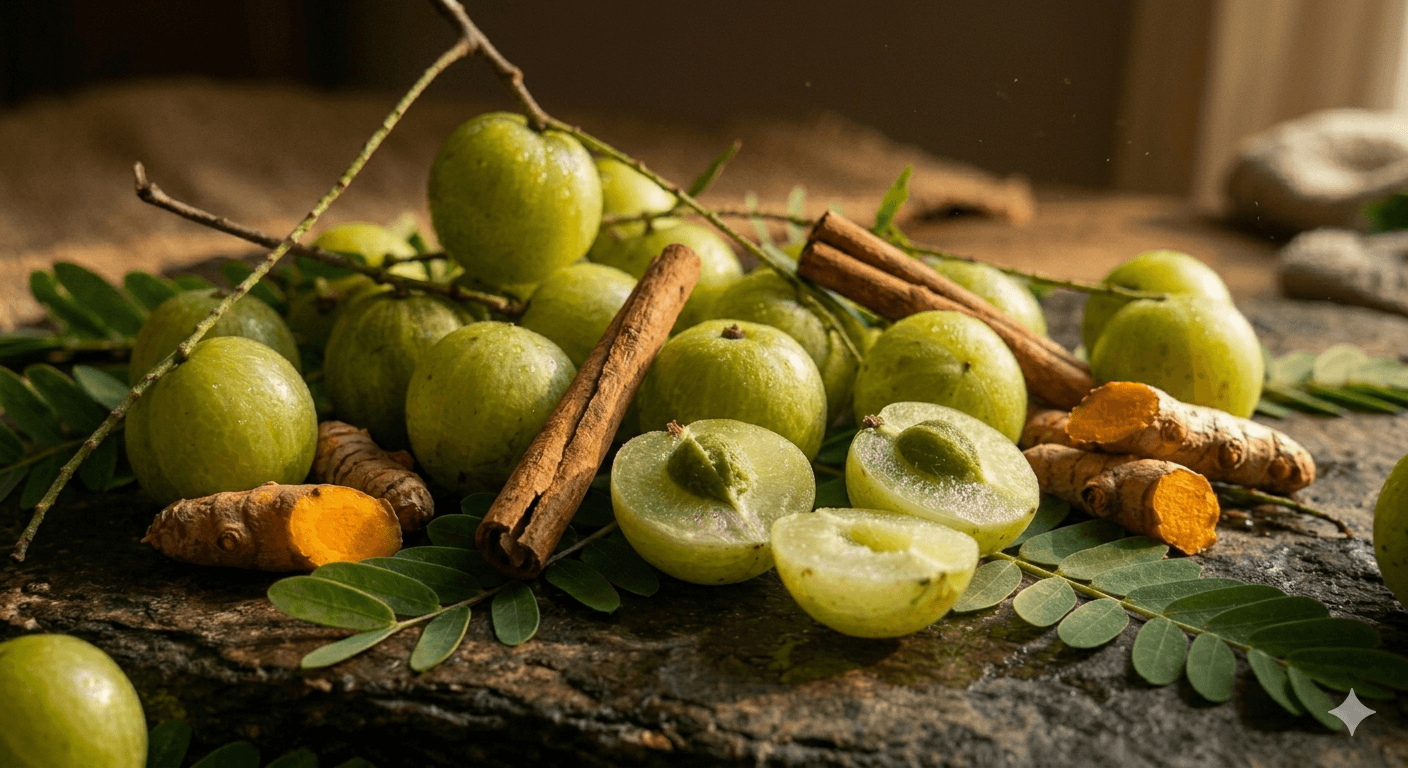
Amla is one of the most extensively studied natural agents for glycemic control. It contains chromium, which sensitizes cells to insulin and improves glucose uptake. Its polyphenols — particularly emblicanin A and B — inhibit alpha-glucosidase, the enzyme that breaks down complex carbohydrates into glucose in the small intestine. By slowing this process, amla flattens post-meal blood sugar spikes. A landmark study published in the International Journal of Food Sciences found that amla consumption reduced fasting blood glucose to levels comparable with low-dose metformin. For people with prediabetes or a family history of Type 2 diabetes, daily amla is one of the most evidence-backed dietary interventions available.
Your Gut Heals and Digestion Improves
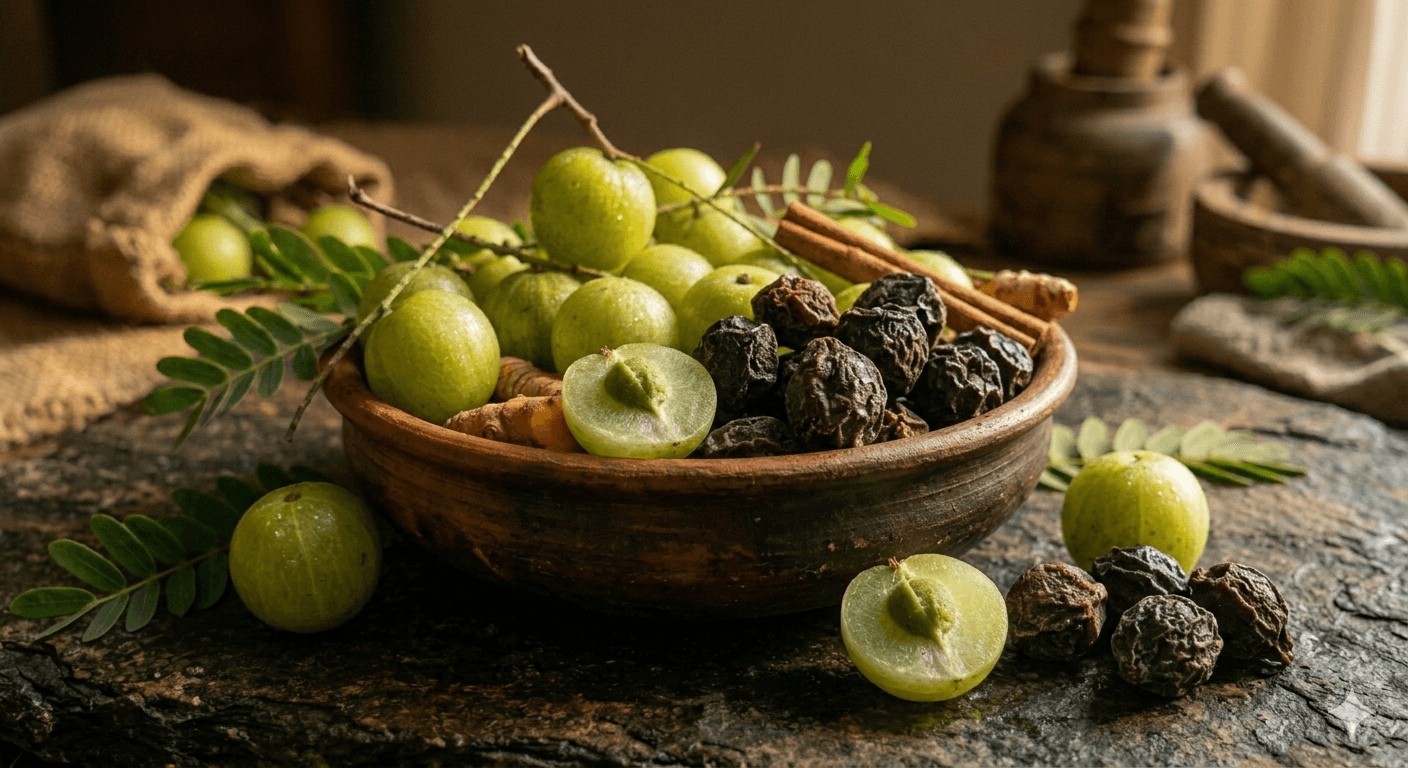
In Ayurveda, amla is the primary ingredient in Triphala — the most widely used gut-healing formulation in Indian medicine for millennia. Modern research explains why. Amla is rich in soluble and insoluble fiber, which feeds beneficial gut bacteria (acting as a prebiotic), regulates bowel movements, and reduces intestinal inflammation. Its tannins have a mild astringent effect that reduces gut permeability — literally tightening the junctions between intestinal cells. Studies show amla extract reduces symptoms of hyperacidity and gastric ulcers by inhibiting H. pylori growth and reducing stomach acid secretion. People who consume amla daily consistently report reduced bloating, more regular digestion, and resolution of chronic constipation.

Your Skin Starts Ageing More Slowly
Collagen is the protein scaffold that keeps skin firm, smooth, and youthful. After your mid-twenties, your body produces less of it — and free radical damage accelerates the breakdown of what remains. Amla attacks this problem from two directions simultaneously. First, its extraordinary Vitamin C content is required for collagen synthesis — you literally cannot make new collagen without it. Second, amla's polyphenols are among the most potent natural inhibitors of matrix metalloproteinases (MMPs) — enzymes that degrade collagen. Lab studies show amla extract inhibits collagen breakdown by up to 68%. Regular consumers report improvements in skin texture, reduction in fine lines, and a lasting natural glow that skin-care products struggle to replicate.
Your Liver Gets Actively Protected
The liver is your primary detoxification organ — and it is under relentless pressure from environmental toxins, processed foods, alcohol, and medications. Amla is one of the most rigorously studied hepatoprotective (liver-protecting) natural agents in scientific literature. Its gallic acid, ellagic acid, and emblicanins reduce oxidative stress in liver cells, prevent fat accumulation in liver tissue (the primary mechanism of non-alcoholic fatty liver disease), and promote liver cell regeneration. Multiple animal and human studies confirm that regular amla consumption significantly reduces liver enzymes ALT and AST — markers of liver stress and damage. In a liver-hostile modern world, daily amla is a meaningful, evidence-backed shield.
Your Cholesterol Profile Improves
Amla exerts a meaningful effect on cardiovascular risk markers through multiple mechanisms. Its pectin fiber binds to bile acids in the intestine, forcing the liver to use cholesterol to make new bile — which lowers total and LDL cholesterol in the bloodstream. Its chromium content improves insulin sensitivity, which indirectly reduces triglyceride production. And its antioxidants prevent the oxidation of LDL particles — the specific form that actually damages arterial walls and leads to plaque formation. A 12-week human clinical trial found amla supplementation reduced LDL by up to 17% while raising HDL. For cardiovascular health, the combination of effects amla delivers is difficult to match with any single supplement.
Your Eyes Are Protected from Age-Related Damage
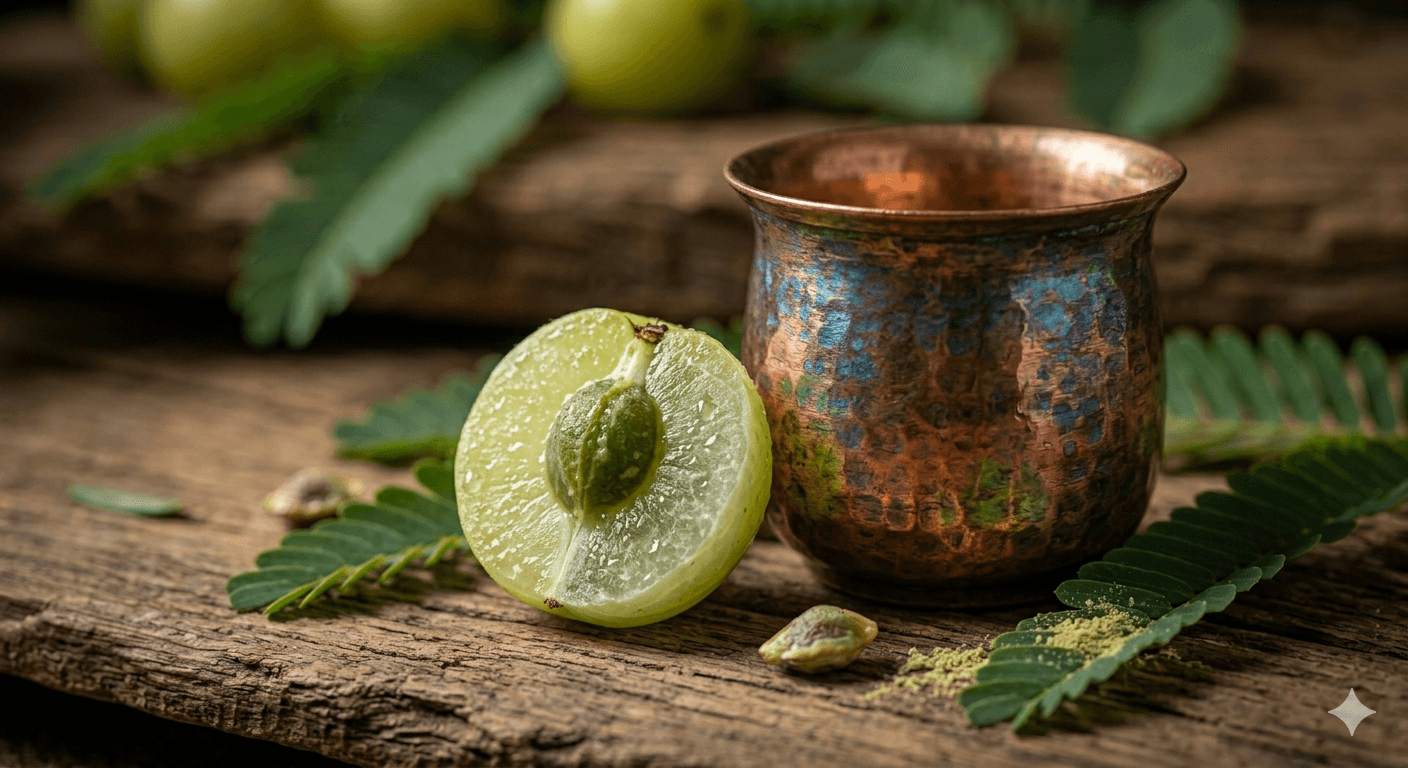
The lens of the human eye is uniquely vulnerable to oxidative stress — the lens proteins, called crystallins, have no turnover mechanism and must last your entire lifetime. Free radical damage accumulates over decades, eventually causing cataracts. Amla is rich in Vitamin C and carotenoids that concentrate in ocular tissue and directly neutralize free radicals in the lens and retina. Amla also contains tannins that have been shown in clinical trials to slow the progression of cataracts in diabetic patients. Regular amla consumption may also reduce the risk of diabetic retinopathy by improving the health of small blood vessels in the eye. In a country where cataracts are the leading cause of blindness, this is a protective habit with real public health significance.
Your Stress Response Becomes More Resilient
Amla is classified as a rasayana in Ayurveda — a class of herbs that build resilience, vitality, and longevity rather than treating specific conditions. Modern research has begun to validate this classification. Amla contains withanolide-like compounds and adaptogenic polyphenols that modulate cortisol levels and reduce the cellular damage caused by chronic stress. Studies show that amla extract reduces stress-induced oxidative stress markers more effectively than most other common antioxidants. Beyond its biochemical effects, people who consume amla regularly report better energy levels, reduced afternoon fatigue, and improved mental clarity — benefits consistent with adrenal support. In a culture increasingly recognizing the damage done by chronic stress, amla's adaptogenic dimension is perhaps its most underrated quality.
How to Eat Amla Every Day — Your Practical Options
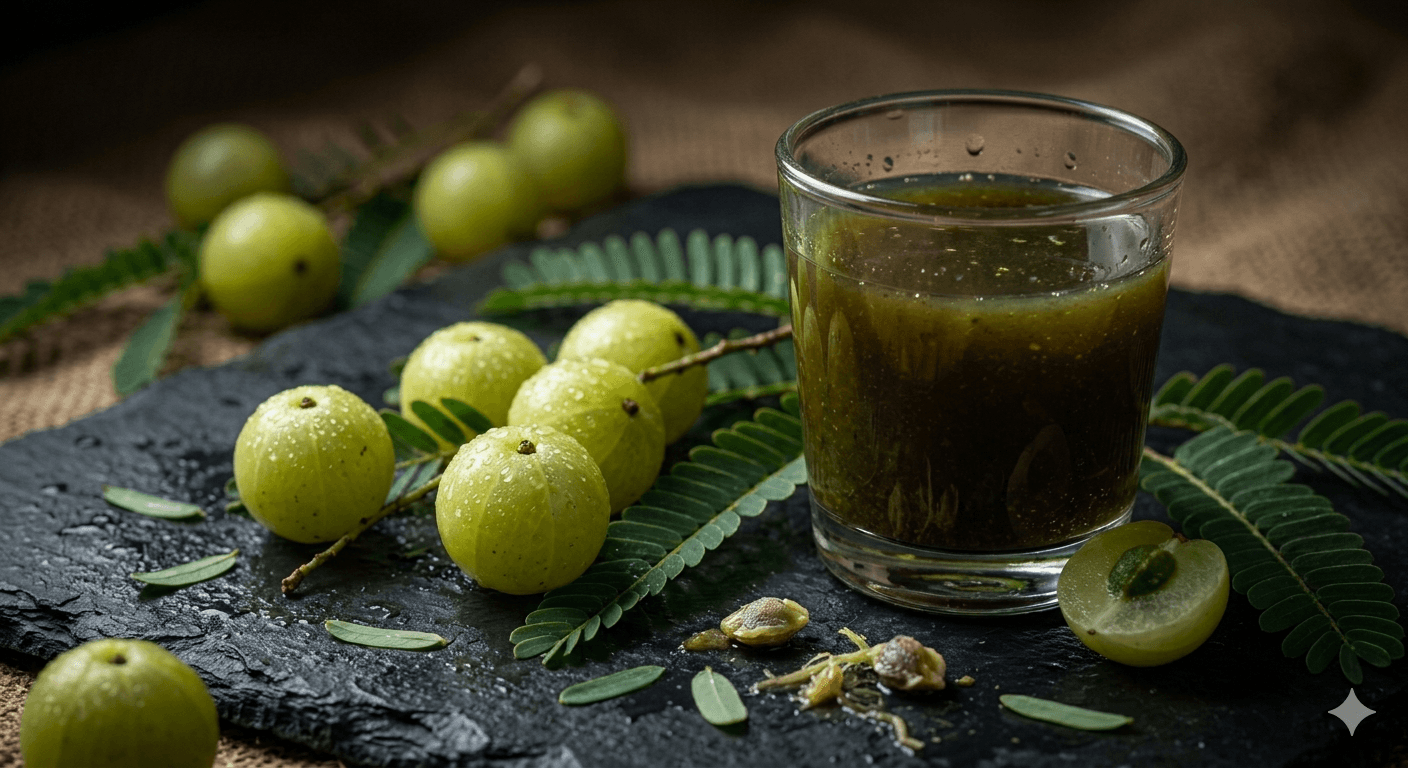
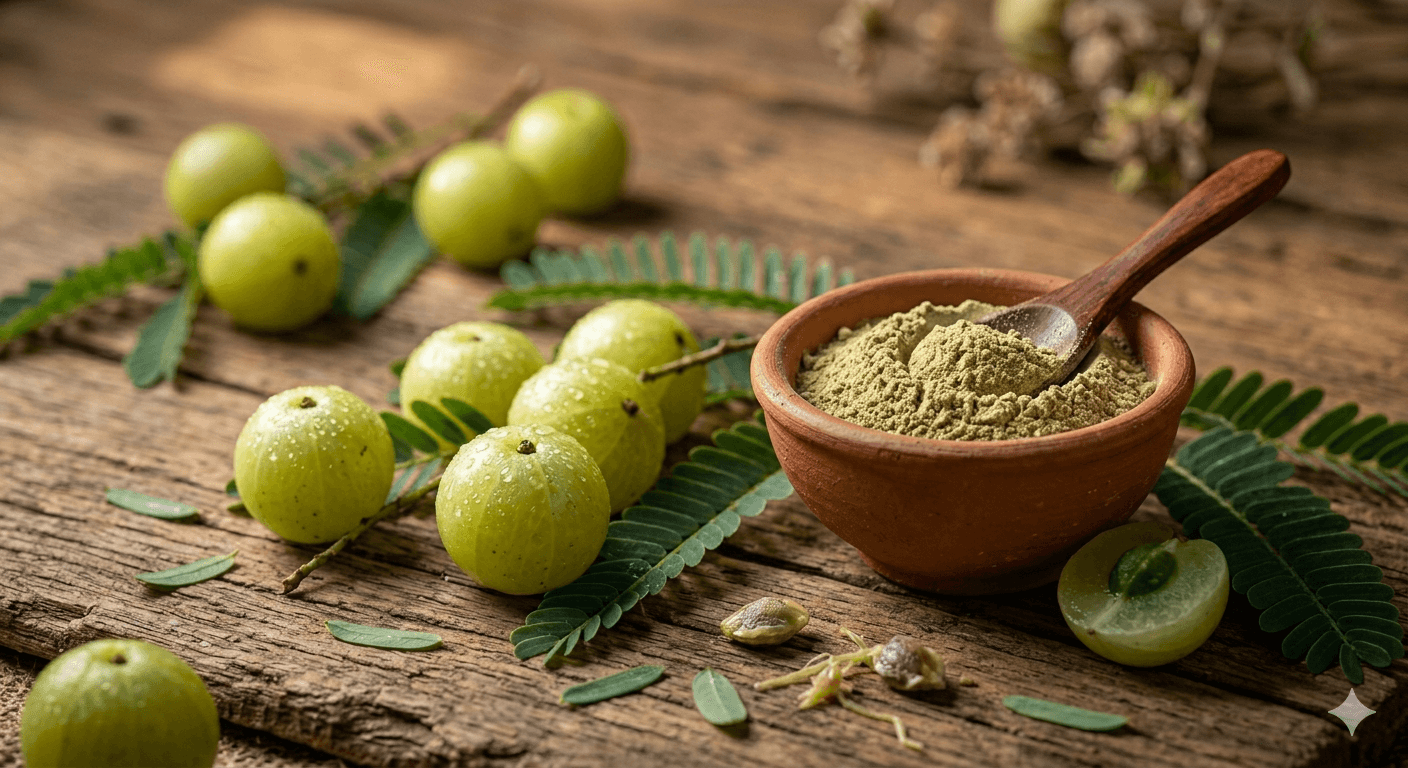
Raw amla is the gold standard — the Vitamin C and polyphenols are most bioavailable when unprocessed. Cut it into wedges and eat with a pinch of salt and black pepper (the piperine in pepper enhances absorption). If the tart, astringent taste is too much, amla juice diluted in water is equally effective and easier to sustain. Amla powder (churna) mixed into warm water, smoothies, or yogurt is the most convenient form for daily use — 1 teaspoon delivers a meaningful dose. Amla candy or murabba is a traditional preserved form, though sugar content varies. Avoid boiling amla aggressively — prolonged high heat degrades Vitamin C significantly. Whatever form you choose, morning consumption on an empty stomach appears to maximize absorption and gut benefits.
Before You Start — A Few Things to Know
Amla is exceptionally safe for most people when consumed in normal food quantities. However, its strong acidity means it can aggravate acid reflux or GERD in sensitive individuals — pair it with food if this is a concern. Amla has mild blood-thinning properties; if you are on anticoagulant medications, consult your doctor before adding high daily doses. Pregnant and breastfeeding women should stick to normal culinary amounts rather than therapeutic supplements. For everyone else — daily amla is one of the safest, most well-supported nutritional habits available.
Frequently Asked Questions
How much amla should I eat per day?
For most adults, one to two fresh amla berries per day is ideal. If consuming amla powder (churna), one teaspoon (roughly 3–5g) daily provides a clinically meaningful dose. Amla juice drinkers typically benefit from 20–30ml diluted in water each morning. There is no established upper limit at culinary quantities, but therapeutic doses above 10g per day should be discussed with a healthcare professional, especially if you are on blood thinners or diabetes medications.
Is it better to eat amla raw or cooked?
Raw is best for maximum Vitamin C retention, as heat degrades ascorbic acid. That said, the tannins and polyphenols in amla — responsible for many of its other benefits — are heat-stable and remain intact in cooked or dried forms. Amla powder and amla murabba (the traditional preserved form) are effective for most benefits other than the highest Vitamin C delivery. If you can tolerate the sharp, astringent taste of raw amla, that is the gold standard.
Can I eat amla on an empty stomach?
Yes, and many traditional practitioners recommend it. Eating amla on an empty stomach in the morning maximizes absorption of its Vitamin C and polyphenols, and its mild digestive stimulation helps activate gut motility. However, if you have acid reflux or a sensitive stomach, start with small amounts with food first — amla is acidic and can temporarily increase stomach discomfort in susceptible individuals.
Does amla really help with hair growth?
Yes, with an important nuance. Amla consumed internally addresses the nutritional causes of hair loss — Vitamin C deficiency, iron deficiency, and oxidative stress at the follicle level. Amla oil applied topically targets a different mechanism — inhibiting DHT, the hormone responsible for follicle miniaturization in pattern hair loss. For best results, both internal and topical use are complementary. Results take 2–3 months to become visible, consistent with the hair growth cycle.
Is amla safe during pregnancy?
In normal culinary amounts — one berry or a teaspoon of powder daily — amla is generally considered safe during pregnancy and is traditionally used in Indian households. It is an excellent source of Vitamin C, iron, and folate, all nutrients critical during pregnancy. However, concentrated amla extracts or supplements should be avoided during pregnancy without medical supervision, as high doses may have uterine-stimulating effects.
What is the best time of day to eat amla?
Morning, ideally on an empty stomach or first thing after waking, is the most commonly recommended and research-supported timing. This maximizes Vitamin C absorption and activates the digestive benefits before the day's first meal. If morning consumption causes any stomach discomfort, taking it with or just before breakfast is the next best option.
Related Articles
Why You Should Eat Eggs Every Day
8 science-backed reasons the humble egg is one of the most powerful foods on your plate.
Best Foods for Vitamin B12 Deficiency
Complete guide to B12-rich foods for vegetarians and non-vegetarians.
More Nutrition Guides
Browse more evidence-based nutrition articles from Myrth.
Tags
Reviewed by Myrth Evidence Review
Editorial review for accuracy, sourcing, and medical-advice boundaries. We focus on clear, practical health and nutrition content grounded in established evidence and written for everyday decisions.
Sources
- Vitamin C Fact Sheet for Health Professionals - NIH Office of Dietary Supplements
- Fiber - Harvard T.H. Chan School of Public Health
- Probiotics Fact Sheet for Health Professionals - NIH Office of Dietary Supplements
Get our weekly digest
One well-researched health or nutrition article per week. No spam.