Best Foods for Vitamin B12 Deficiency
A practical guide to the best Vitamin B12 foods for vegetarians and non-vegetarians, with ranked sources, daily habits, and deficiency signs to watch.
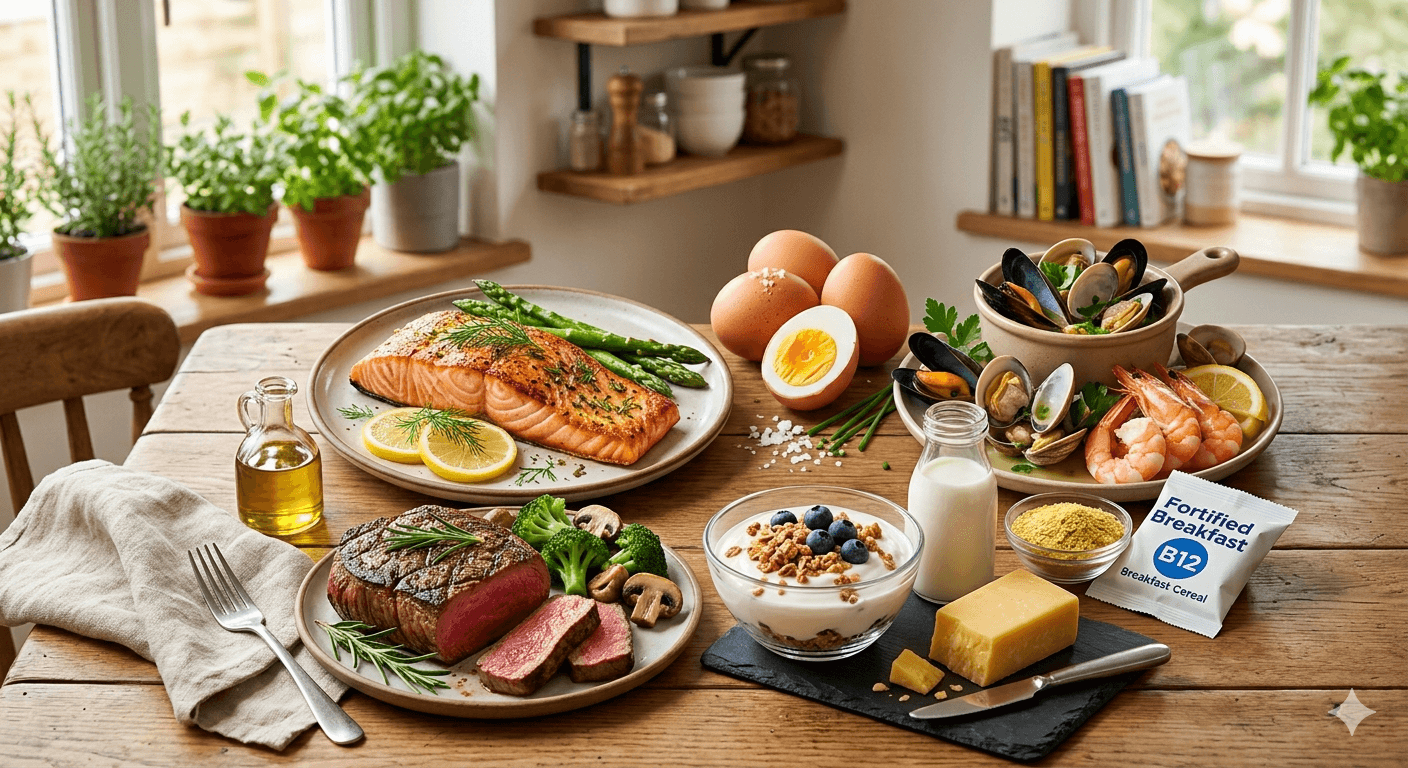
Best Foods for Vitamin B12 Deficiency
Vegetarian & Non-Veg sources — ranked, explained, and easy to act on
Vitamin B12 is one of those nutrients most people never think about — until they feel the effects of not having enough. Fatigue that sleep does not fix, brain fog, a strange tingling in the hands or feet. These are all classic signs that your B12 is running low.
The good news: you do not need complicated protocols or expensive injections to turn things around. In most cases, consistently eating the right foods is enough. This guide covers the best natural food sources of B12 — with practical picks for both vegetarians and non-vegetarians.
Top Foods Rich in Vitamin B12
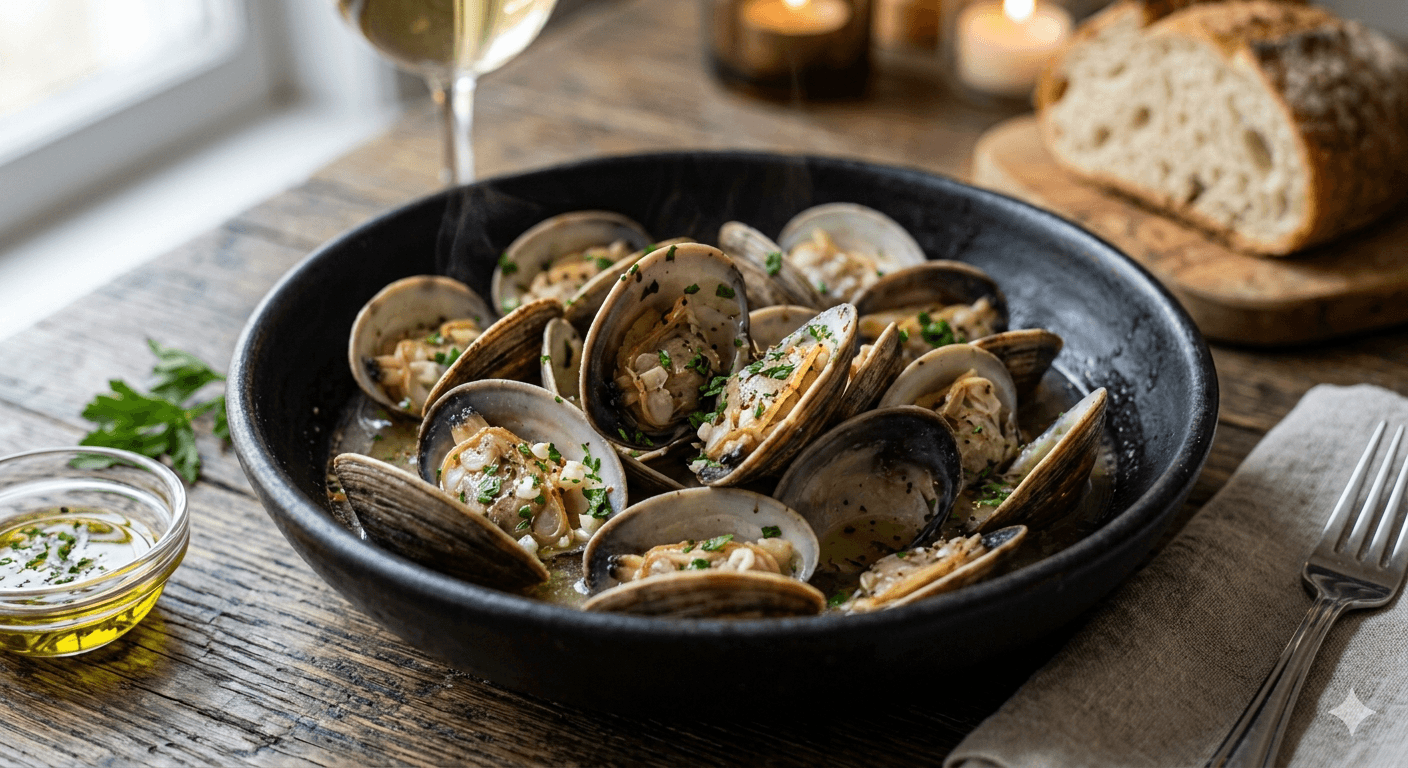
Clams & Shellfish
Non-Veg84mcg per 85g (cooked)
Clams are the single highest natural source of B12 on earth. A small serving gives you more than 1,000% of your daily needs. They also come with iron, zinc, and lean protein. If you eat seafood, clams deserve a regular spot on your plate.
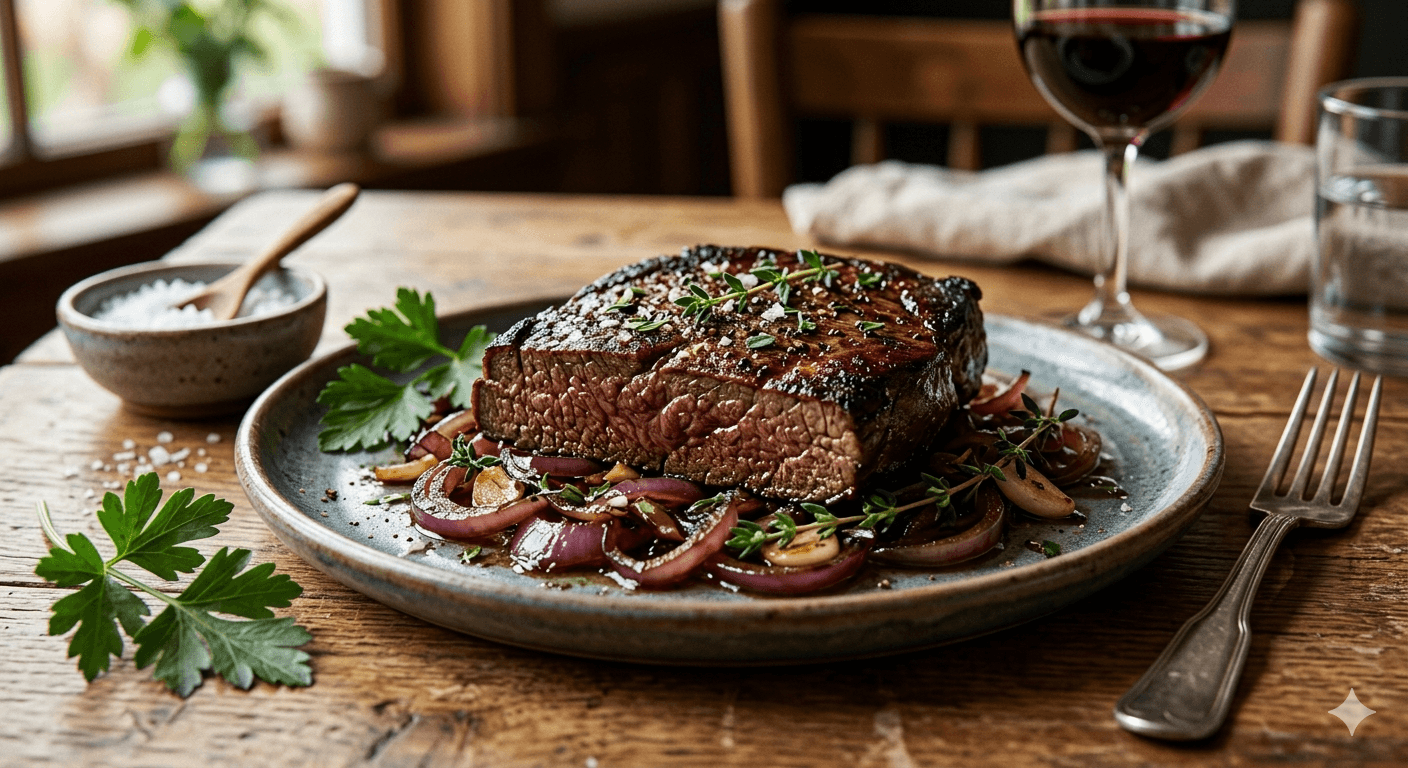
Beef Liver
Non-Veg70mcg per 85g (cooked)
Organ meats are nutritional powerhouses, and beef liver sits at the top. It is loaded with B12, iron, vitamin A, and folate. Even if you eat it just once a week, it can make a real difference. Not the most glamorous food, but few others come close nutritionally.
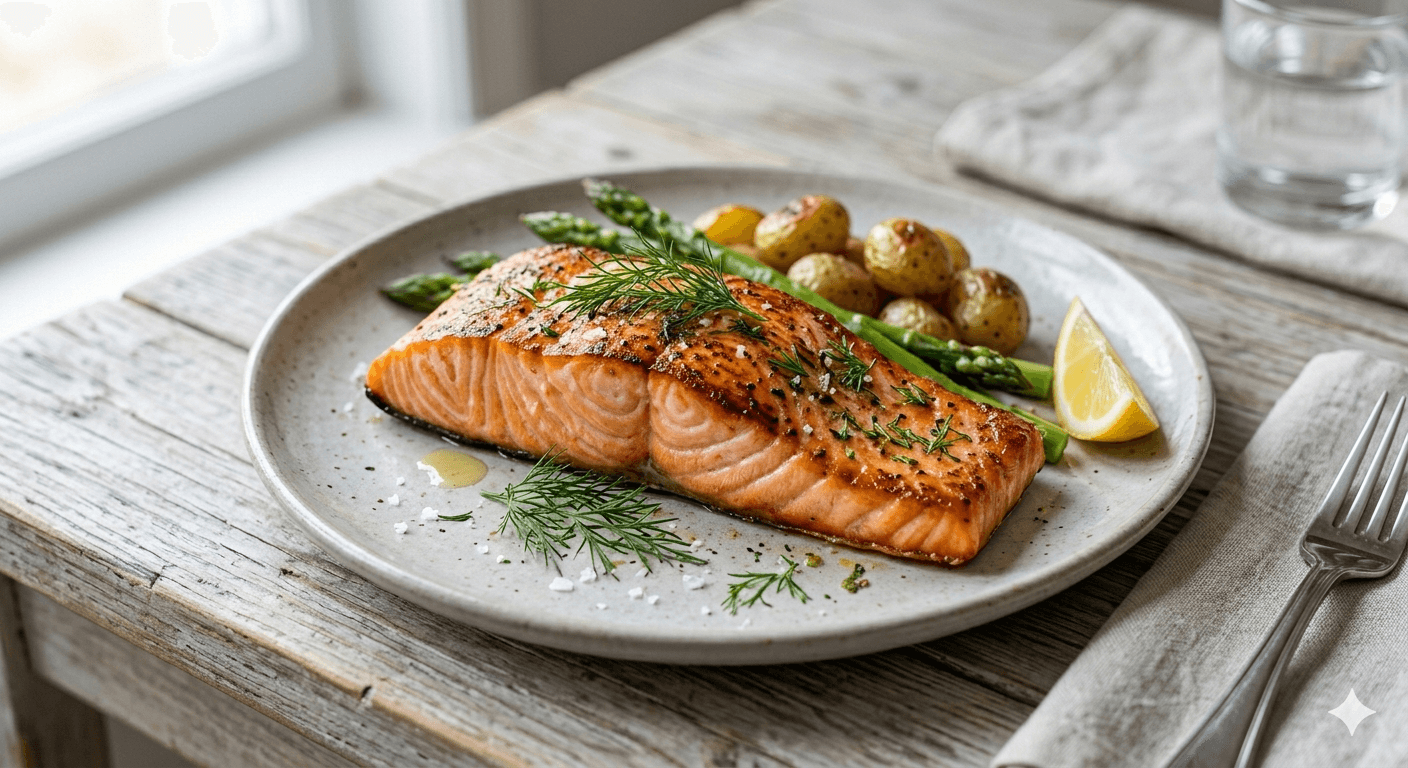
Salmon & Tuna
Non-Veg4–9mcg per 85g
Fatty fish like salmon and tuna are excellent everyday B12 sources with the added bonus of omega-3 fatty acids. They support both your B12 levels and your heart and brain health simultaneously. Fresh, canned, or grilled — they all work well.
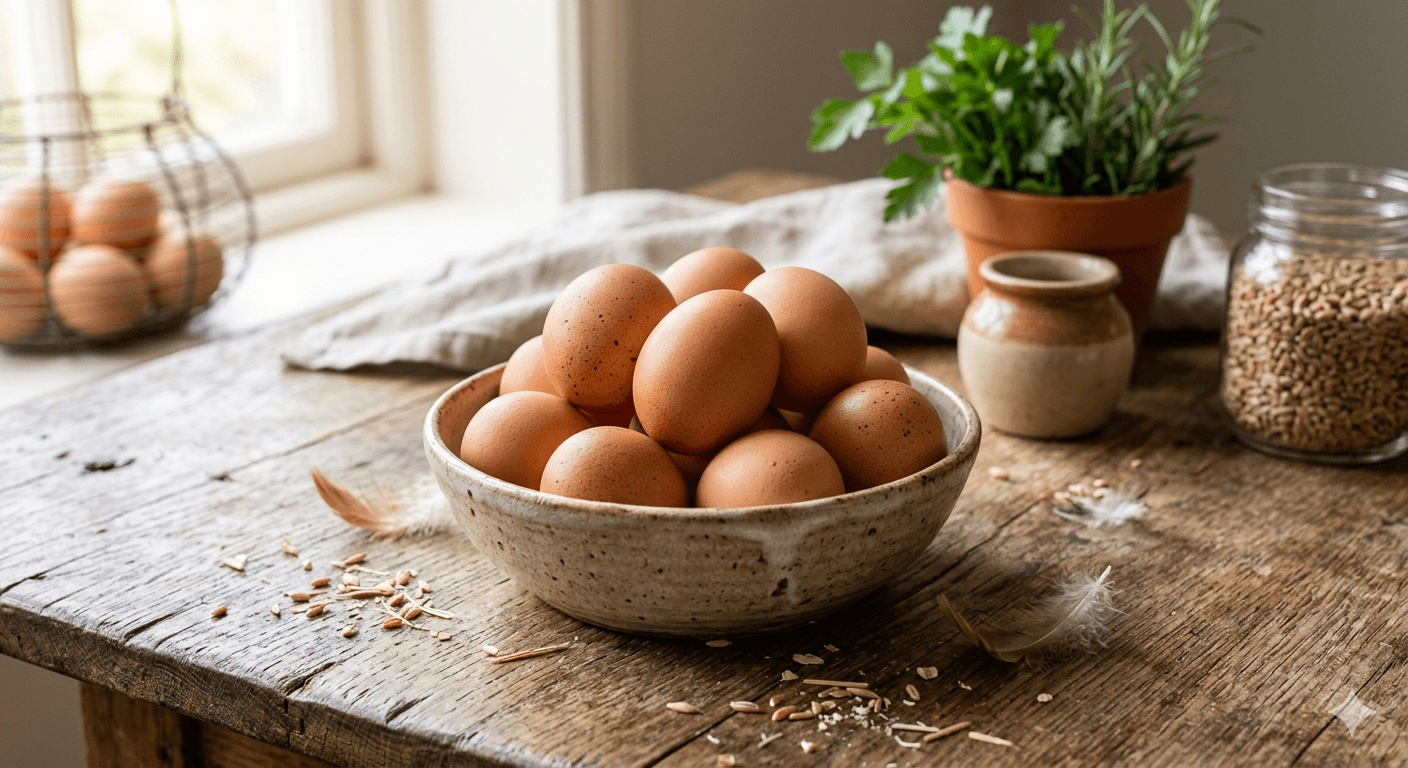
Eggs
Vegetarian0.6mcg per large egg
Eggs are the most accessible B12 source for vegetarians. Two eggs at breakfast gets you a useful chunk of your daily requirement without any planning. The B12 sits mainly in the yolk, so do not skip it. Eggs also supply choline, vitamin D, and complete protein.
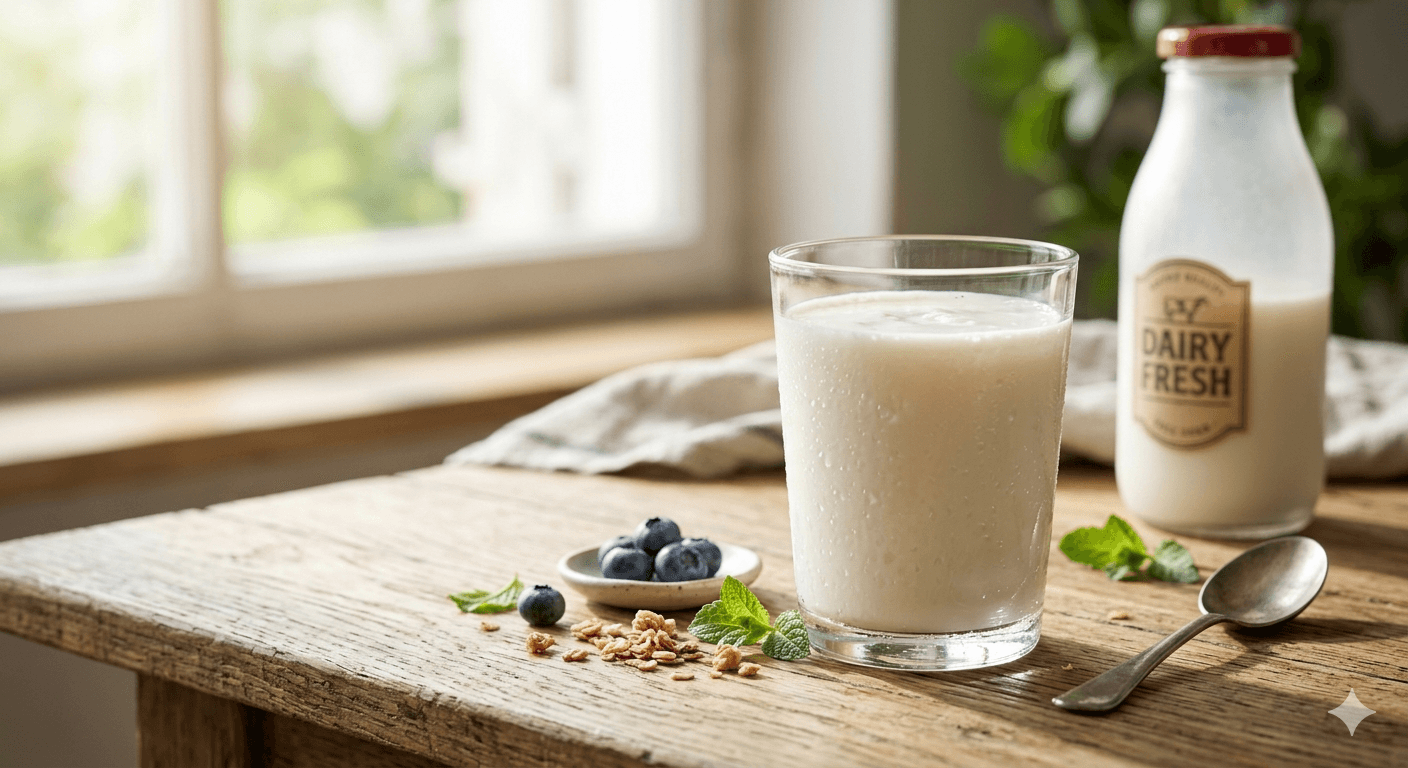
Milk
Vegetarian1.2mcg per cup
A glass of milk each day contributes meaningfully to your B12 intake. It is easy, cheap, and familiar. Full-fat or low-fat both work. Milk also provides calcium and vitamin D alongside B12, making it one of the most complete everyday beverages for overall nutrition.
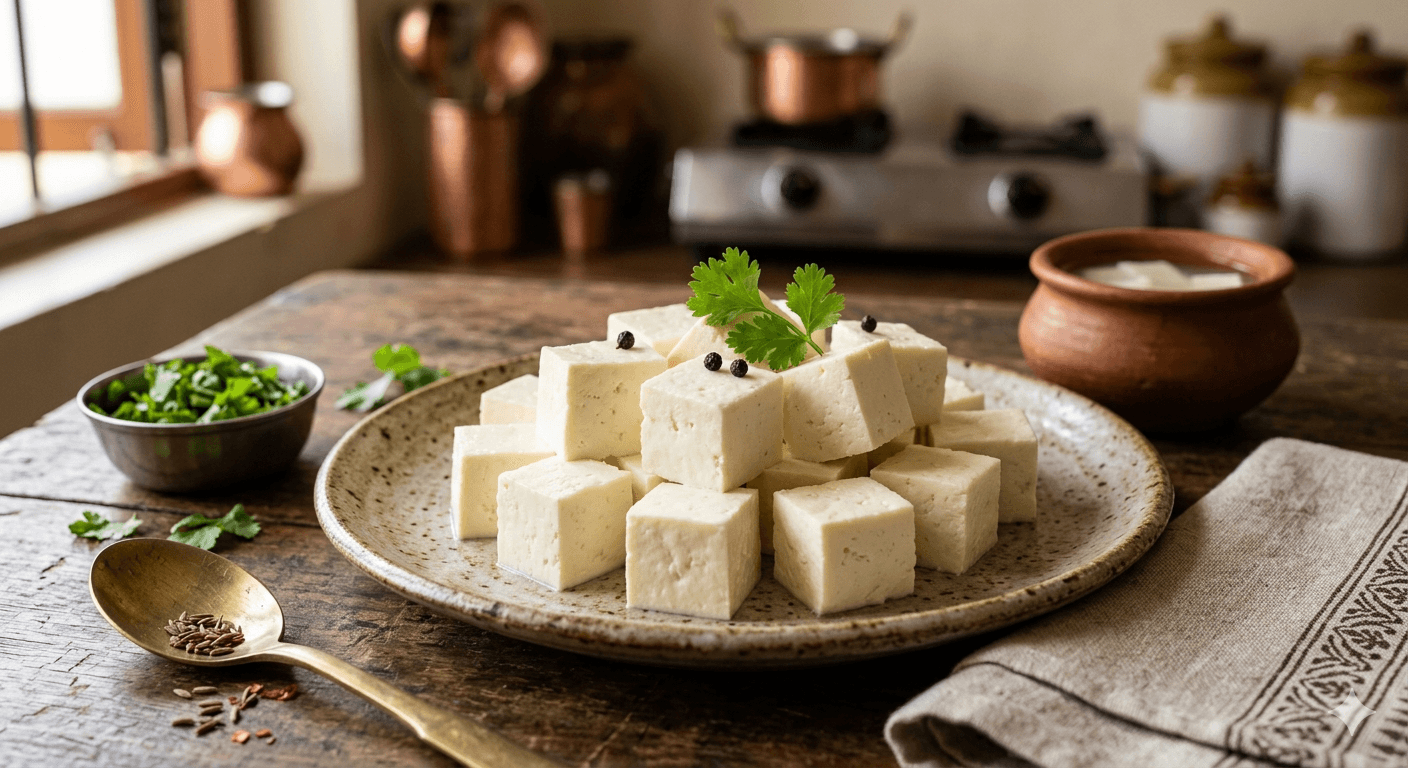
Paneer
Vegetarian0.8mcg per 100g
Paneer is a staple in Indian cooking and a quiet but reliable B12 contributor for vegetarians. Its high protein and calcium content make it a smart addition to meals. Regular consumption — in dals, curries, or stir-fries — keeps your B12 intake consistent without any extra effort.
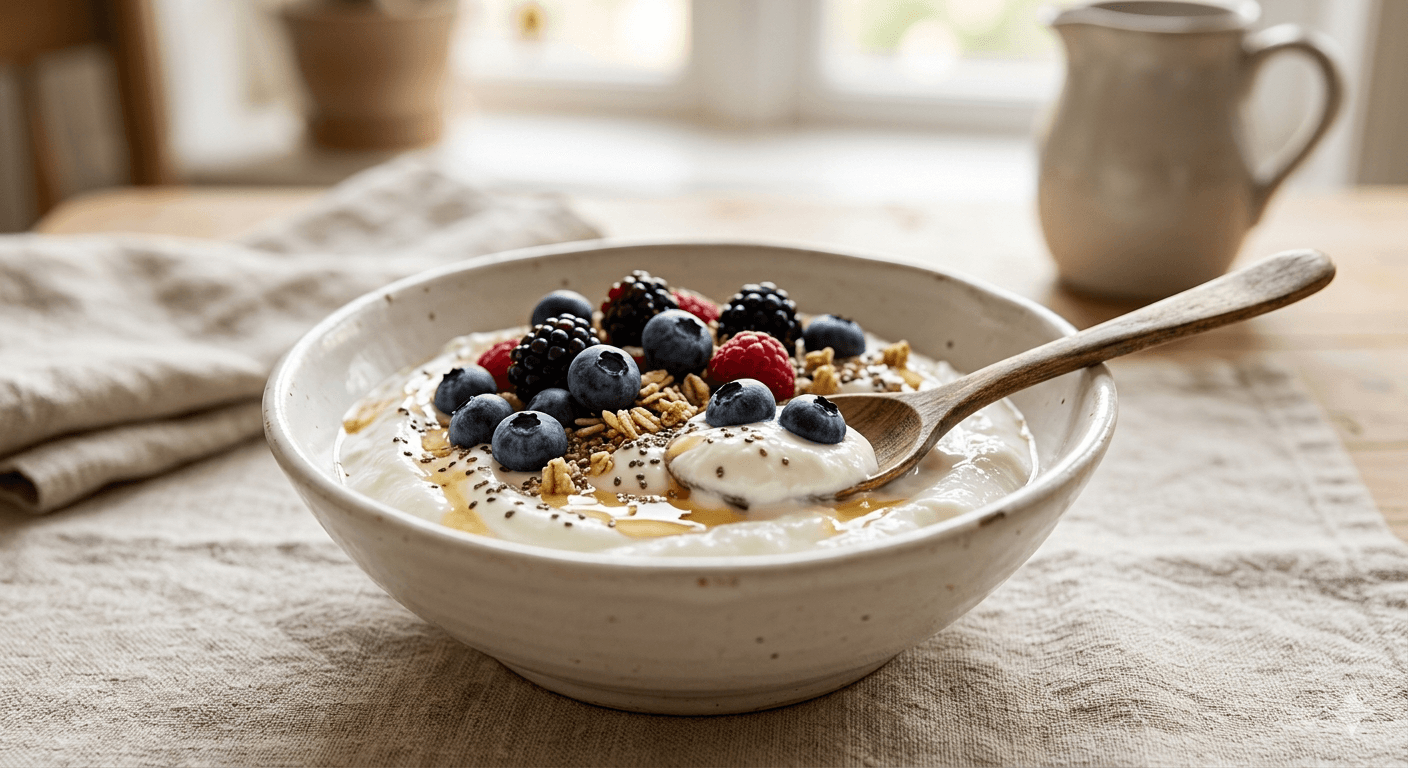
Greek Yogurt
Vegetarian1.3mcg per cup
Greek yogurt beats regular yogurt for B12 simply because it is more concentrated. A cup at breakfast or as a snack gives you a meaningful dose. The probiotics it contains also support gut health, which can help your body absorb B12 more effectively over time.

Chicken Breast
Non-Veg0.3mcg per 85g
Chicken is not a B12 powerhouse, but it is something most people eat regularly. Eaten frequently, it contributes a steady background level of B12 alongside its high protein content. Pair it with a B12-richer food like eggs or dairy for a well-rounded day.
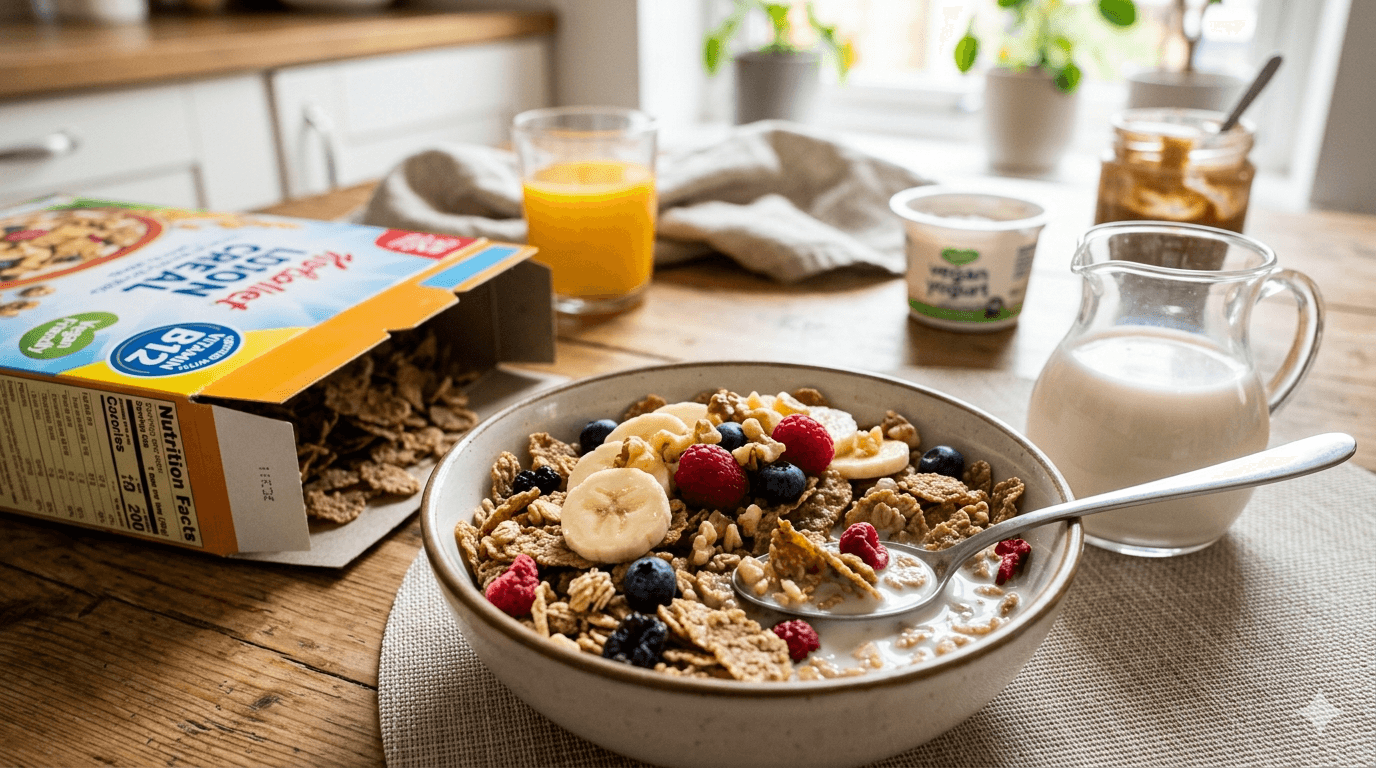
Fortified Cereals
Vegetarian1.5–6mcg per serving
Fortified breakfast cereals are one of the few reliable B12 options for strict vegetarians and vegans. B12 is added during manufacturing, and it is highly bioavailable. Check the label — amounts vary widely by brand. Paired with milk, they become an even stronger B12 combination.
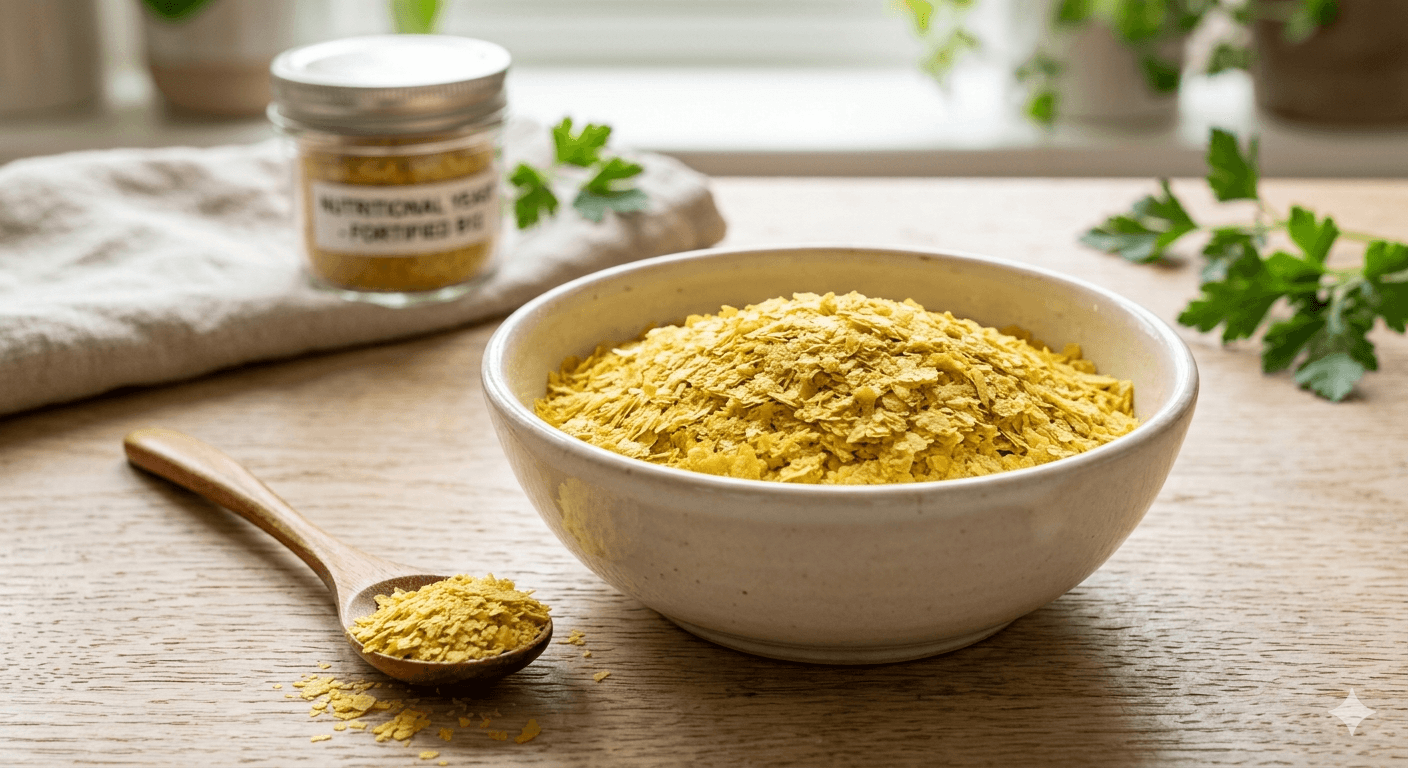
Nutritional Yeast
Vegetarian2.4mcg per tablespoon (fortified)
Nutritional yeast has become popular in plant-based diets for good reason. When fortified with B12, a tablespoon sprinkled on food adds a useful dose with a nutty, savory flavor. It is a clever way to boost B12 without changing your routine dramatically.
How to Know If You Are Getting Enough B12
B12 deficiency develops slowly. By the time symptoms appear, levels may already be quite low. Watch for these signs and consider getting a blood test if you notice them:
- Persistent fatigue or low energy that does not improve with rest
- Tingling or numbness in hands or feet (nerve-related)
- Difficulty concentrating or memory lapses
- Pale or yellowish skin tone
- Mouth ulcers or a sore, swollen tongue
- Feeling dizzy or short of breath without exertion
The Simplest Rule for B12
Eat at least one B12-rich food every single day.
B12 is not stored in large amounts by the body — you need regular intake to keep levels healthy. If you are vegetarian, dairy and eggs are your best allies. If you eat everything, fish and meat give you a significant advantage. Either way, consistency matters far more than quantity on any single day. Small daily doses add up.
Frequently Asked Questions
Can vegetarians get enough Vitamin B12 from food alone?
Yes, but it takes more intention. Dairy products like milk, paneer, and Greek yogurt are the primary natural sources for vegetarians. Eggs help too. Fortified foods like breakfast cereals or nutritional yeast fill the gaps further. If you are lacto-ovo vegetarian and eat a variety of these consistently, most people can maintain healthy B12 levels.
What are the early signs of Vitamin B12 deficiency?
Early signs include unusual fatigue, difficulty concentrating, and a mild tingling in the hands or feet. Many people ignore these symptoms or attribute them to stress. A simple blood test can confirm whether B12 is low. Catching it early makes correction much easier.
How much Vitamin B12 do I need daily?
The recommended daily intake for adults is 2.4 micrograms (mcg). Pregnant and breastfeeding women need slightly more — around 2.6–2.8 mcg per day. Most people eating animal products regularly will exceed this without any extra effort.
Should I take a B12 supplement if I eat well?
If you eat animal products regularly and have no absorption issues, food alone is usually sufficient. However, if you are vegetarian, vegan, over 50, or have digestive conditions like IBS or low stomach acid, a supplement is often a good idea regardless of diet quality.
Does cooking destroy Vitamin B12?
B12 is relatively stable during most cooking methods. High heat can cause some loss, but the amounts remaining after normal cooking are still nutritionally meaningful. You do not need to eat these foods raw to benefit from their B12 content.
Related Articles
Why You Should Eat Eggs Every Day
See why egg yolks matter for B12, choline, vitamin D, complete protein, and daily nutrition.
Top 10 Protein Sources Ranked
Find out which foods give you the most protein per serving — for all diets.
More Nutrition Guides
Browse more evidence-based nutrition articles from Myrth.
Tags
Reviewed by Myrth Evidence Review
Editorial review for accuracy, sourcing, and medical-advice boundaries. We focus on clear, practical health and nutrition content grounded in established evidence and written for everyday decisions.
Sources
- Vitamin B12 Fact Sheet for Health Professionals - NIH Office of Dietary Supplements
Get our weekly digest
One well-researched health or nutrition article per week. No spam.