The Eating Habits of People Who Live Past 100
What centenarians in Blue Zones eat daily, from beans and olive oil to fermented foods, mindful portions, and simple whole-food meals.
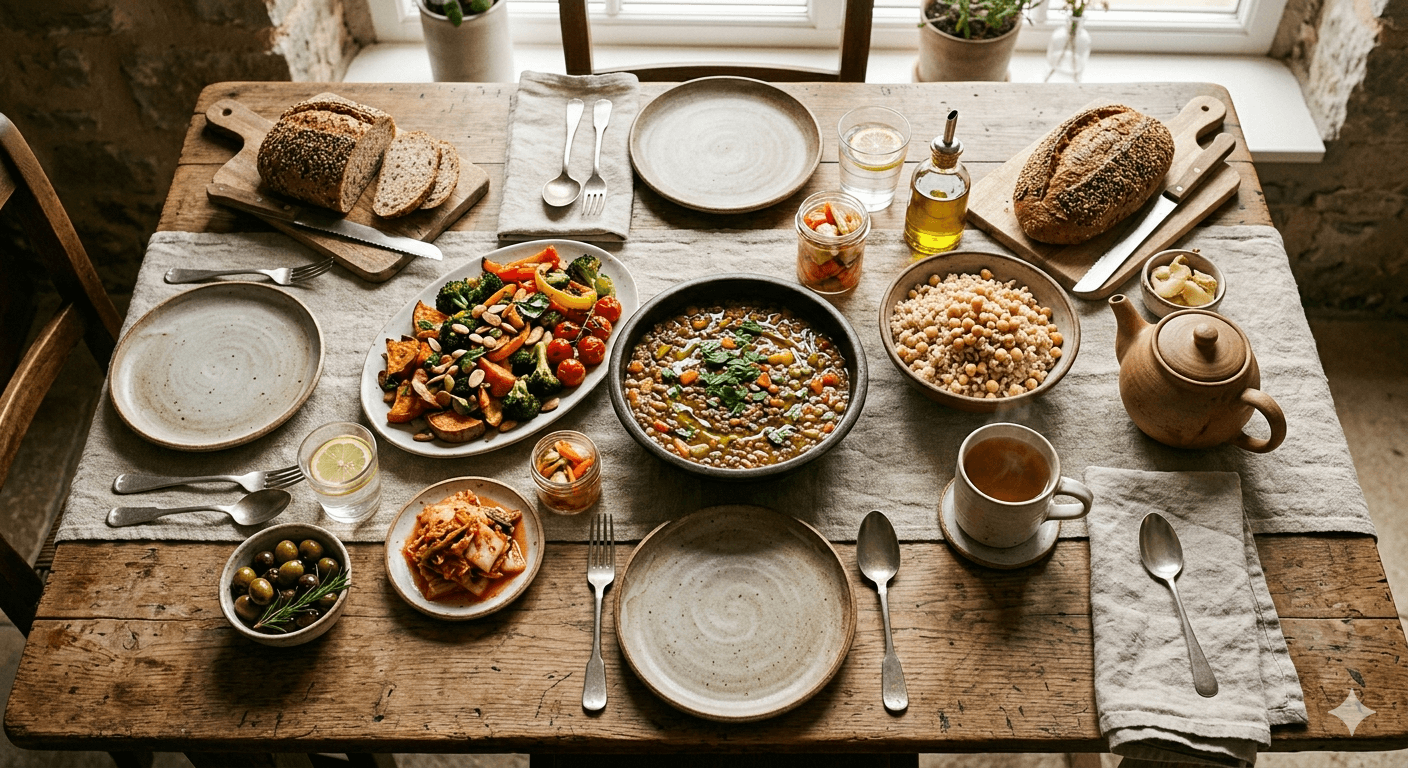
The Eating Habits of People Who Live Past 100
What decades of centenarian research actually reveals about food and long life
Somewhere in the mountains of Sardinia, a 103-year-old shepherd eats minestrone for lunch. In Okinawa, a 101-year-old woman starts her morning with miso soup and sweet potato. In Ikaria, Greece, a man born before World War II picks wild greens from the hillside. These people are not outliers. They are a pattern.
Scientists have spent decades studying populations with the highest concentrations of people who live past 100 — regions called Blue Zones. What they found is not a miracle supplement or a complicated protocol. It is remarkably ordinary food, eaten consistently, with almost no processed ingredients in sight.
A 2026 Tufts University study found that children of centenarians — who share half their longevity genes — eat measurably more fish, fruits, and vegetables, and significantly less sugar and sodium. The diet leaves a biological fingerprint.
8 Eating Habits Shared by People Who Live Past 100
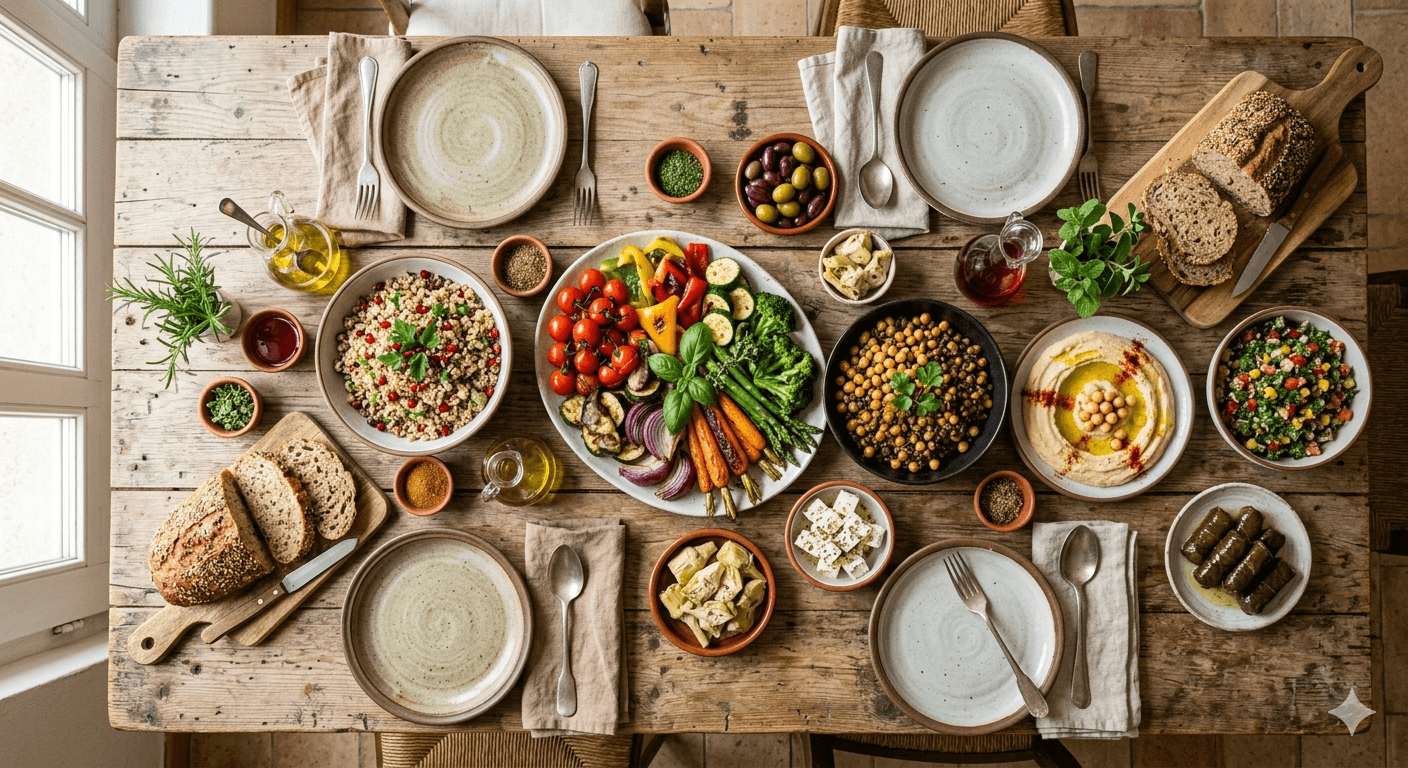
They Build Every Meal Around Plants
Across all five Blue Zones, roughly 95 percent of daily food comes from plants. What varies is which plants — sweet potato in Okinawa, wild hillside greens in Ikaria, fava beans in Sardinia, corn tortillas and squash in Nicoya. The principle stays constant: vegetables, legumes, whole grains, and fruit form the base. Animal products appear on the side, not at the center.
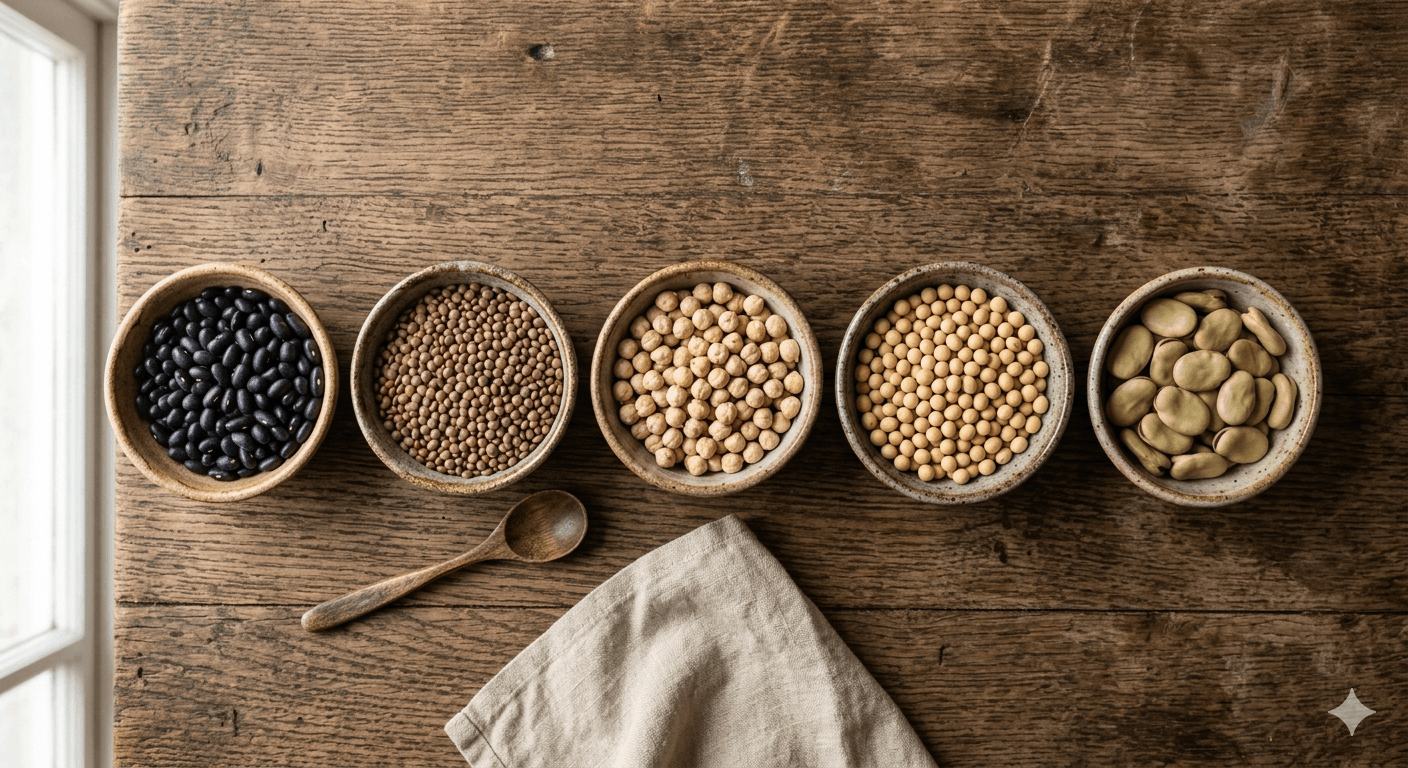
They Eat Beans Every Single Day
If there is one food that unites every Blue Zone, it is legumes. Black beans in Nicoya, lentils in Ikaria, soybeans and tofu in Okinawa, fava beans and chickpeas in Sardinia. Centenarians eat roughly half a cup to a full cup of legumes daily. Legumes deliver protein, fiber, slow-digesting carbohydrates, and compounds that reduce inflammation — all things that matter more as you age.
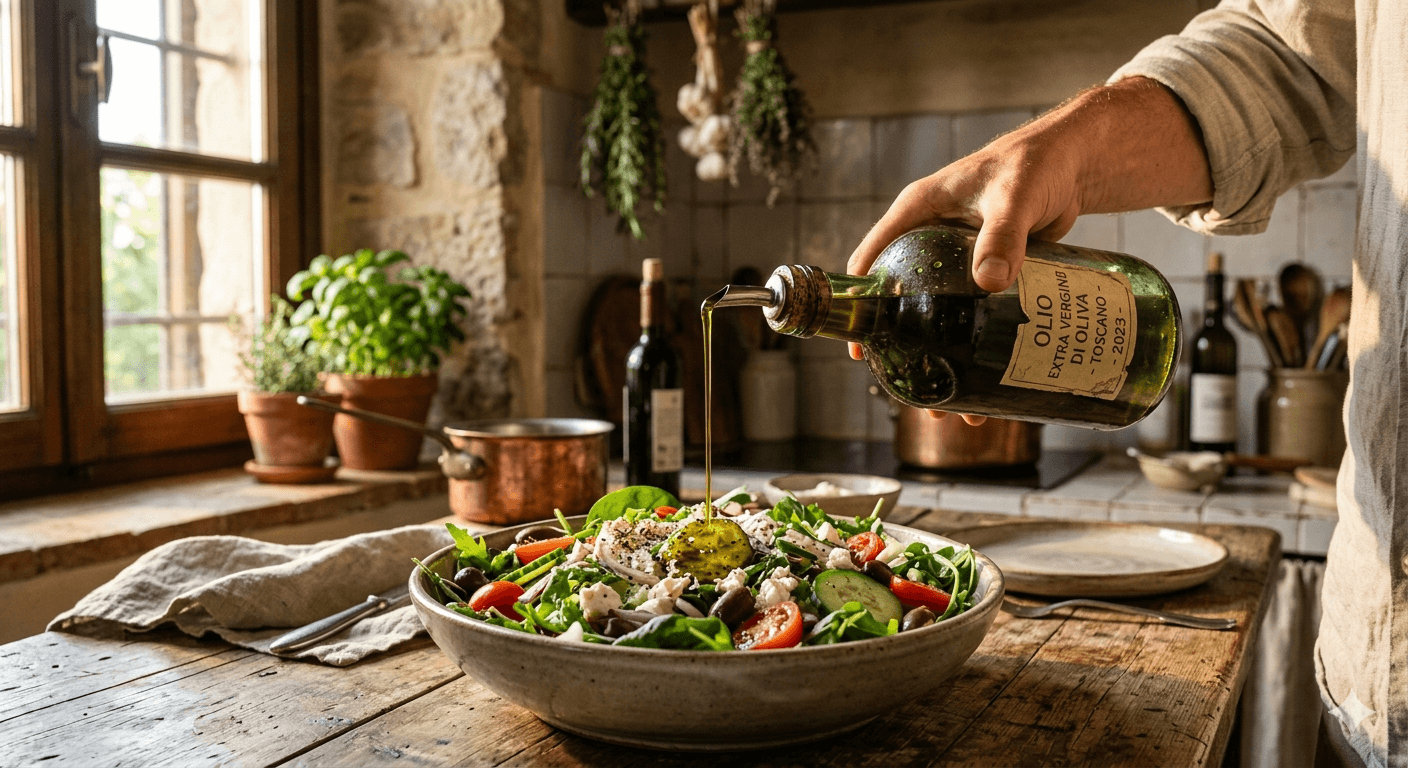
They Use Olive Oil as a Primary Fat
In Ikaria, people consume roughly 6 tablespoons of extra virgin olive oil daily — among the highest per-capita rates in the world. Sardinians are not far behind. Olive oil delivers oleocanthal, a natural anti-inflammatory compound, alongside monounsaturated fats that protect cardiovascular health. Research published in the Journal of the American College of Cardiology found that consuming as little as half a tablespoon daily reduces cardiovascular mortality by 19 percent.
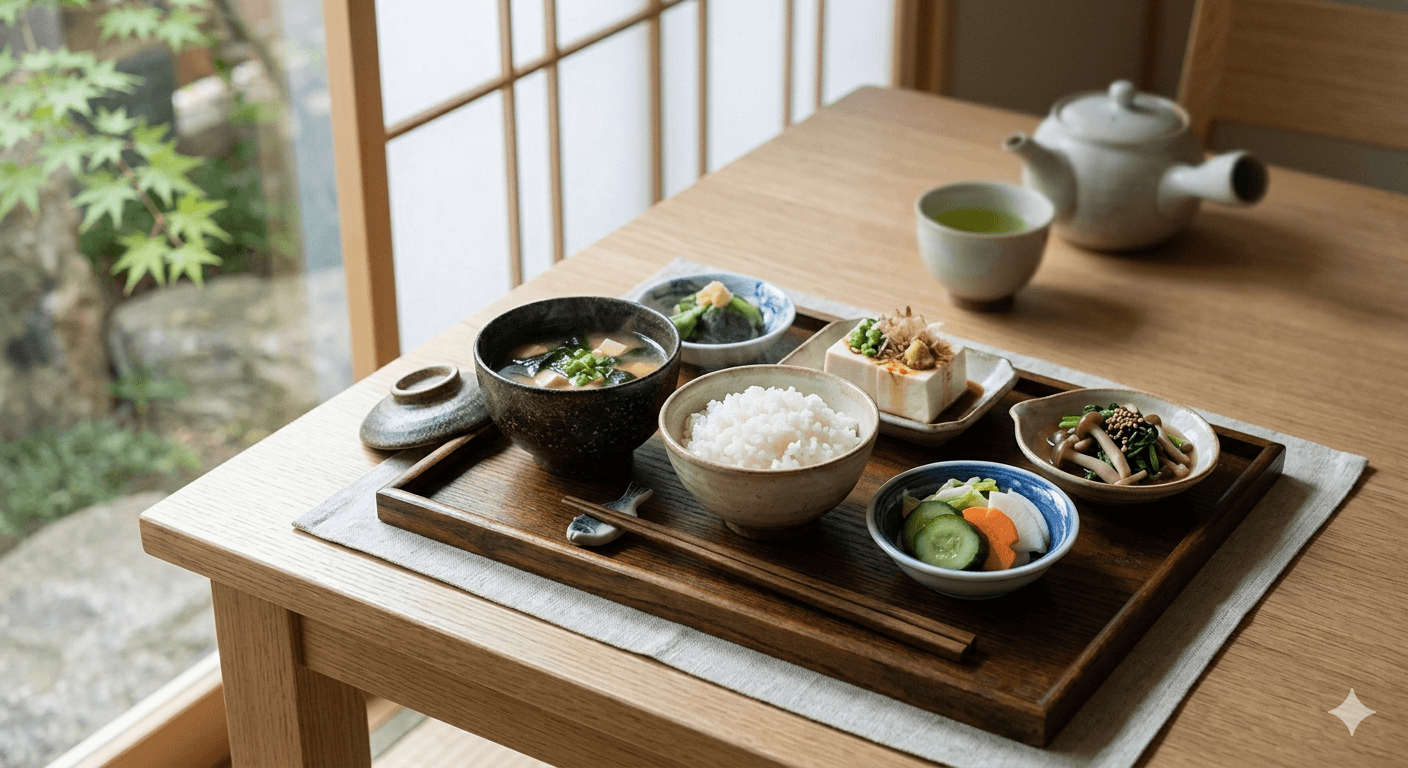
They Eat Until 80 Percent Full — Not More
Okinawans call it "Hara Hachi Bu": a Confucian-rooted practice of stopping before you feel full. It takes about 20 minutes for satiety signals to reach the brain, and centenarians stop eating before those signals arrive. The result is a consistent, decades-long caloric reduction of roughly 10 to 15 percent without ever going on a diet. Research shows this mild restriction activates the same cellular repair pathways as intermittent fasting.
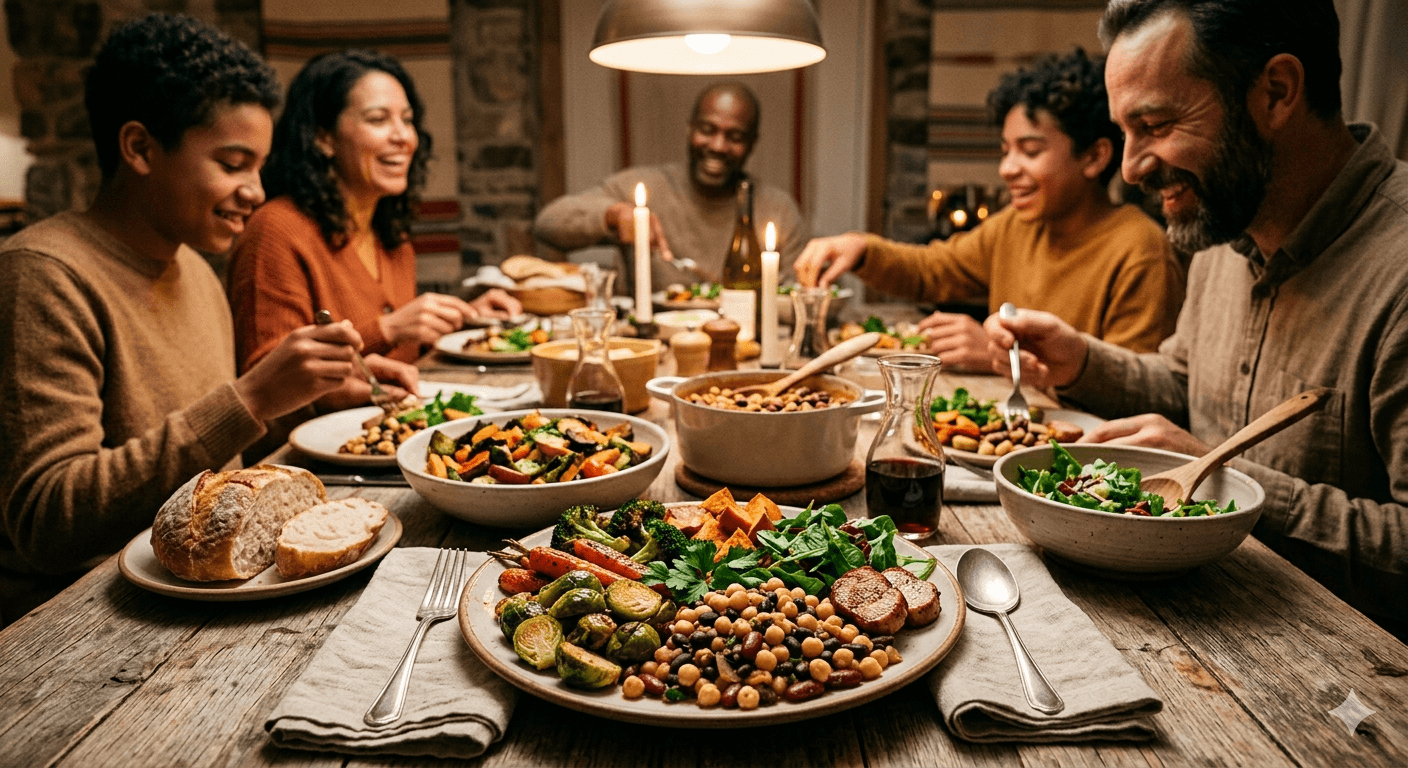
They Eat Meat Rarely, Not Regularly
Centenarians are not strict vegetarians, but meat plays a very small supporting role. In most Blue Zones, pork or goat appears fewer than five times a month, usually at celebrations. In Loma Linda, California — home to a community of Seventh-day Adventists — many are fully vegetarian. Research consistently shows that swapping a portion of daily meat for legumes or whole grains is one of the single highest-impact dietary changes for long-term health.
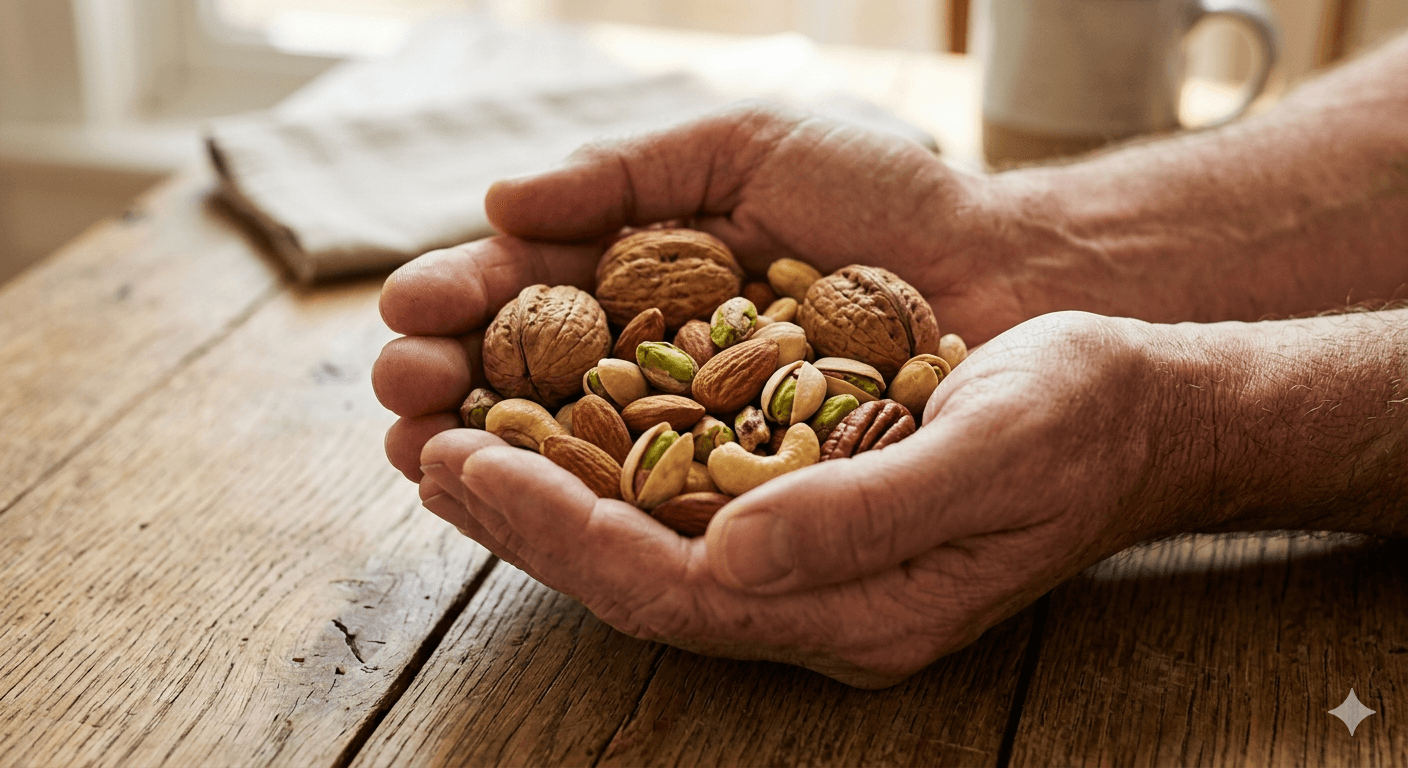
They Snack on Nuts, Not Processed Foods
A small daily handful of nuts appears across every Blue Zone — almonds in Sardinia, pistachios in Nicoya, walnuts in Ikaria. Nuts deliver healthy unsaturated fats, vitamin E, magnesium, and copper. Loma Linda studies showed that people who ate nuts at least four times a week lived on average two to three years longer than those who did not. The key word is handful: about 30 grams, not a whole bag.

They Drink Water, Herbal Tea, and Sometimes Wine
Centenarians do not drink sugary beverages. Water and herbal teas are the daily default. Ikarians brew rosemary and sage tea; Okinawans drink green tea rich in antioxidants throughout the day. In Sardinia and Ikaria, one to two glasses of local red wine with meals appears regularly. The wine is consumed slowly, with food, and in social settings — not in isolation. Researchers note this remains the most debated element, with newer evidence suggesting any alcohol carries some risk.
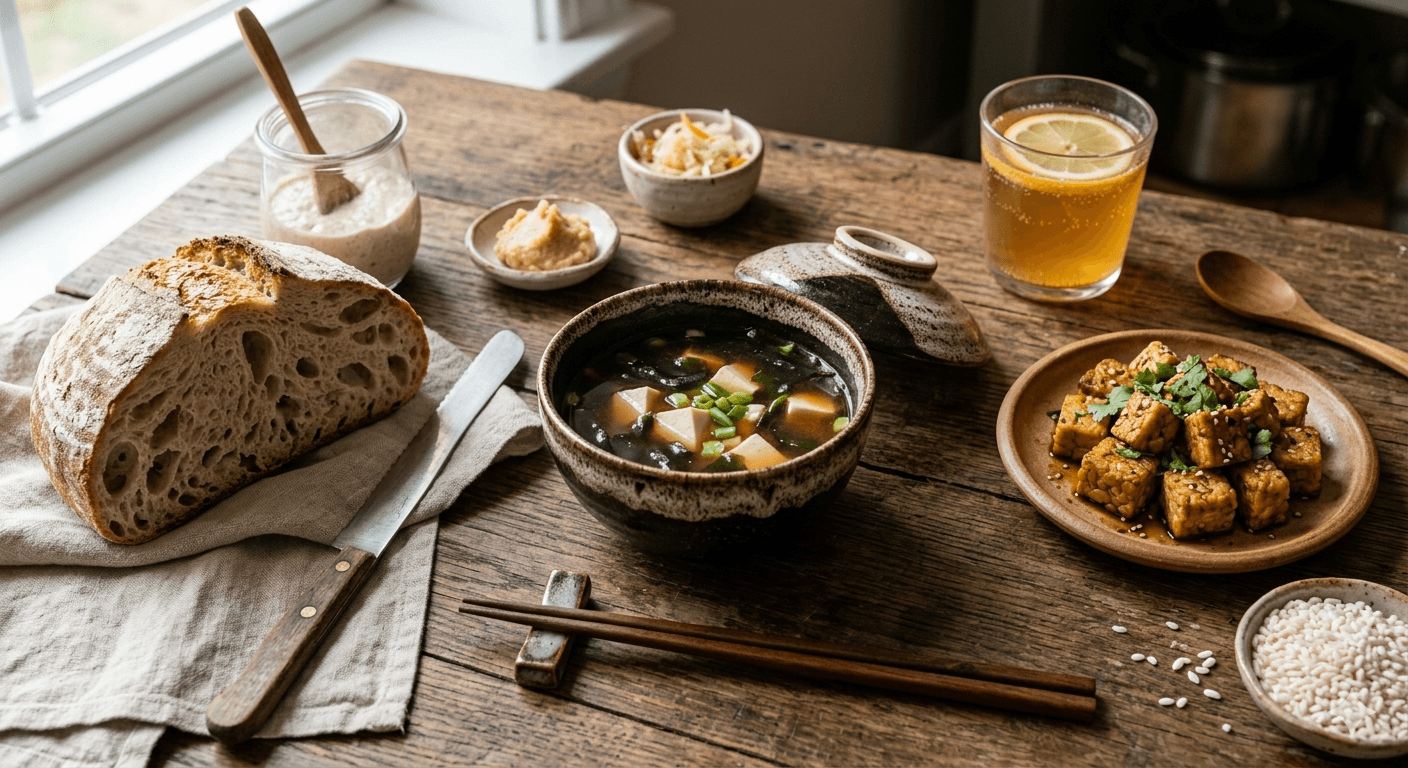
They Eat Fermented Foods Daily
Fermentation is not a modern wellness trend in Blue Zones — it is centuries-old tradition. Sardinians eat sourdough bread made with natural starters. Okinawans have miso soup every morning and eat tempeh regularly. Ikarians drink fermented goat milk. Each of these adds diverse probiotic strains that improve gut microbiome health, reduce systemic inflammation, and have been linked to better immune function and cognitive resilience in older age.
The Bigger Pattern: What Centenarians Never Eat
Across all five Blue Zones, ultra-processed food is essentially absent. No seed-oil-fried snacks, no sugary drinks, no packaged convenience meals. Centenarians cook from scratch using ingredients their grandparents would recognize. The less processing, the more of it ends up on the plate. This is not nostalgia. It is biology.
The Mindset Behind the Meal
What stands out in centenarian research is not just the food — it is the relationship with food. They eat slowly, often with others. They grow some of what they eat. Meals are not fuel-loading events; they are part of the fabric of daily life. Okinawans follow a principle called "Hara Hachi Bu" — stop eating when you are 80 percent full. Sardinians make Sunday lunch a multi-hour family ritual. Ikarians rarely eat alone.
"Hara Hachi Bu" — stop at 80% full. Sweet potato, miso, tofu, green tea every day.
Minestrone, barley flatbread, pecorino, fava beans, and Sunday lunch as a multi-hour family ritual.
Olive oil, wild greens, lentils, herbal teas from rosemary and sage. Rarely eat alone.
Black beans, squash, handmade corn tortillas, and tropical fruit at every meal.
Seventh-day Adventist community. Nuts, oats, legumes, and avocado. Many fully vegetarian.
Where to Start
You do not need to move to Sardinia.
The habits above are cheap, flexible, and backed by decades of research. Pick two. Add more beans to your meals this week. Swap one processed snack for a handful of walnuts. Cook a pot of lentil soup on Sunday. That is the centenarian approach — not a dramatic dietary overhaul, but small, repeatable choices made consistently over a lifetime.
Frequently Asked Questions
What do people who live to 100 eat every day?
Centenarians typically eat a plant-heavy diet built around legumes, vegetables, whole grains, nuts, and fermented foods. They use olive oil as their primary cooking fat, eat meat rarely, and avoid processed food almost entirely.
What is the Blue Zone diet?
The Blue Zone diet refers to the shared eating patterns of people in five longevity hotspots: Okinawa (Japan), Sardinia (Italy), Ikaria (Greece), Nicoya (Costa Rica), and Loma Linda (California). The diet is 95 percent plant-based, high in legumes, and very low in processed or packaged food.
Is the centenarian diet plant-based?
Largely, yes — but not strictly vegan or vegetarian. Centenarians eat predominantly plants, but small amounts of fish, dairy (especially fermented), and occasional meat appear across different regions.
Do centenarians practice intermittent fasting?
Most do not fast formally, but Okinawans practice "Hara Hachi Bu," stopping at 80 percent full, which creates a mild, consistent caloric restriction. This activates similar cellular pathways as intermittent fasting without a rigid schedule.
Can you adopt centenarian eating habits without changing your entire lifestyle?
Absolutely. Start with small changes: add beans to one meal per day, replace processed snacks with nuts, cook more meals from whole ingredients, and reduce sugary drinks. These incremental habits, maintained over years, have measurable health benefits.
Related Articles
Tags
Reviewed by Myrth Evidence Review
Editorial review for accuracy, sourcing, and medical-advice boundaries. We focus on clear, practical health and nutrition content grounded in established evidence and written for everyday decisions.
Sources
- Blue Zones Food Guidelines - Blue Zones
- Probiotics Fact Sheet for Health Professionals - NIH Office of Dietary Supplements
- Fiber - Harvard T.H. Chan School of Public Health
Get our weekly digest
One well-researched health or nutrition article per week. No spam.