Why Everyone Is Suddenly Obsessed With Fiber in 2026
Fiber is having a cultural moment. Discover why it is dominating nutrition conversations, how it shapes your gut and metabolism, and how much you actually need.
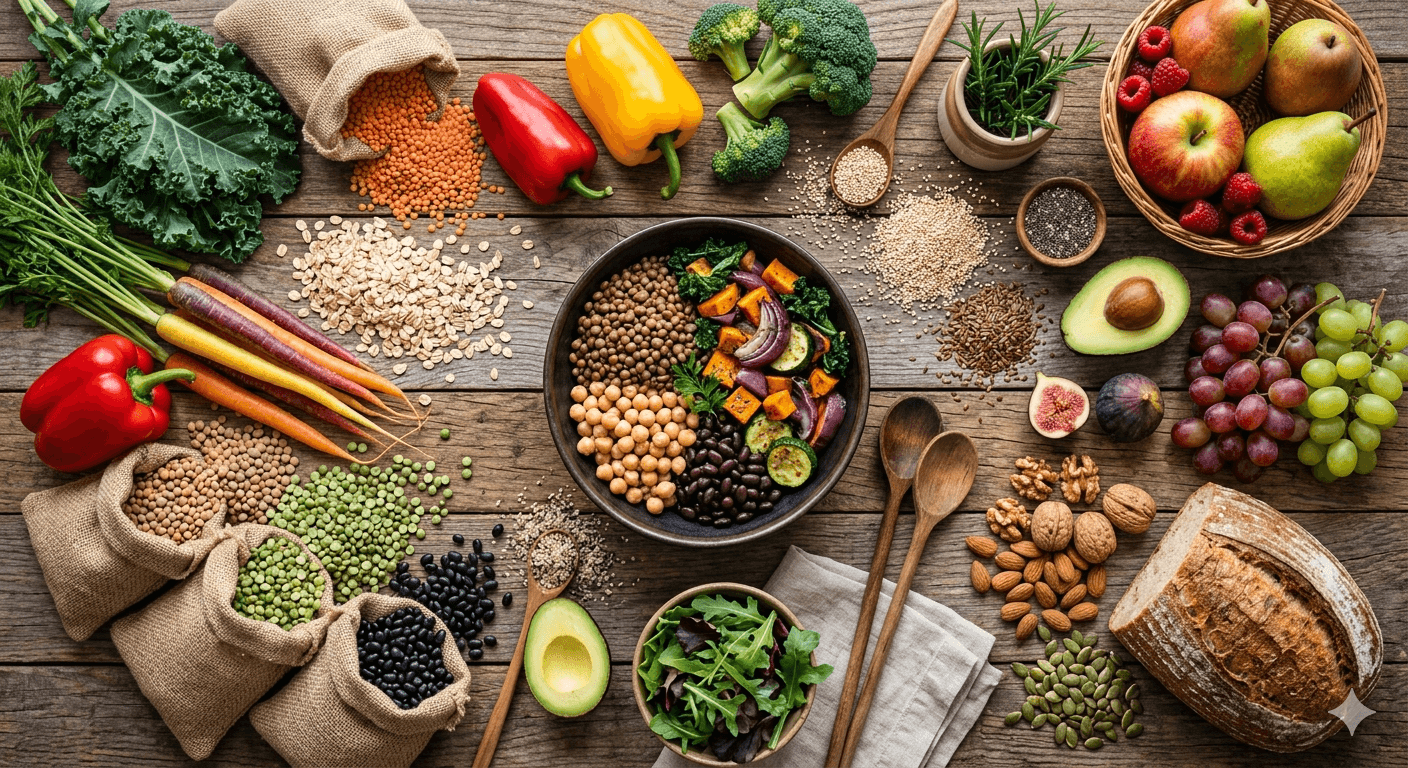
Why Everyone Is Suddenly Obsessed With Fiber
The nutrient you were ignoring is turning out to be the most important one
A few years ago, fiber was the boring footnote on a cereal box. Now it is dominating nutrition research, trending on social media, and showing up in everything from coffee to chocolate. Something shifted — and it is not just hype.
The science around fiber has quietly exploded. Researchers now understand that fiber does not just prevent constipation. It feeds your gut microbiome, regulates blood sugar, reduces inflammation, improves mood, and may be the single dietary variable most strongly linked to living longer. This guide explains exactly why, and what to do about it.
What Fiber Actually Does (It's More Than You Think)
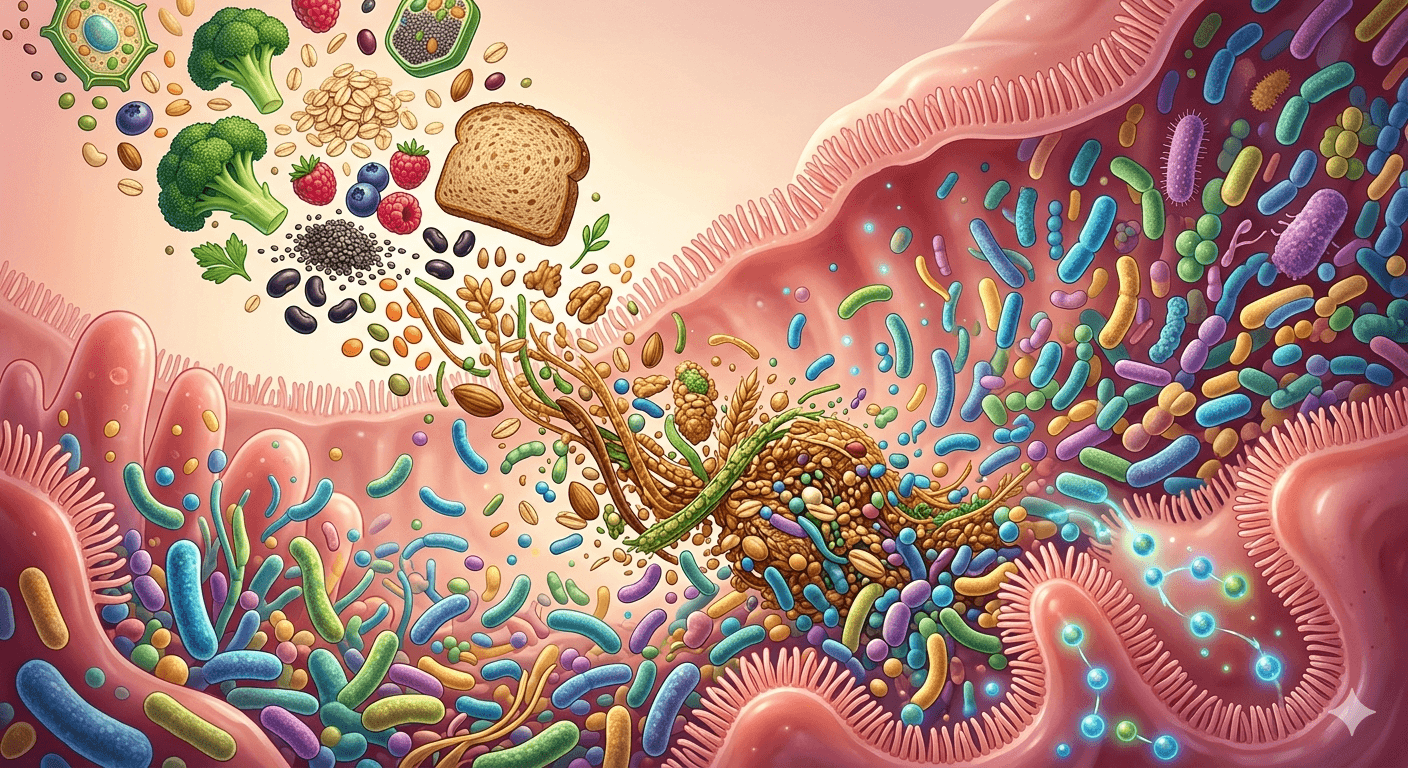
It Feeds Your Gut — Which Controls More Than You Realize
Your gut contains roughly 100 trillion bacteria. They need to eat something — and fiber is their preferred food. When gut bacteria ferment fiber, they produce short-chain fatty acids (SCFAs) like butyrate, which fuel your colon cells, reduce inflammation, and send signals throughout your entire body. A fiber-starved gut is a struggling gut.
🔬 Research links high dietary fiber intake to greater microbial diversity — and microbial diversity is one of the strongest predictors of long-term health outcomes.
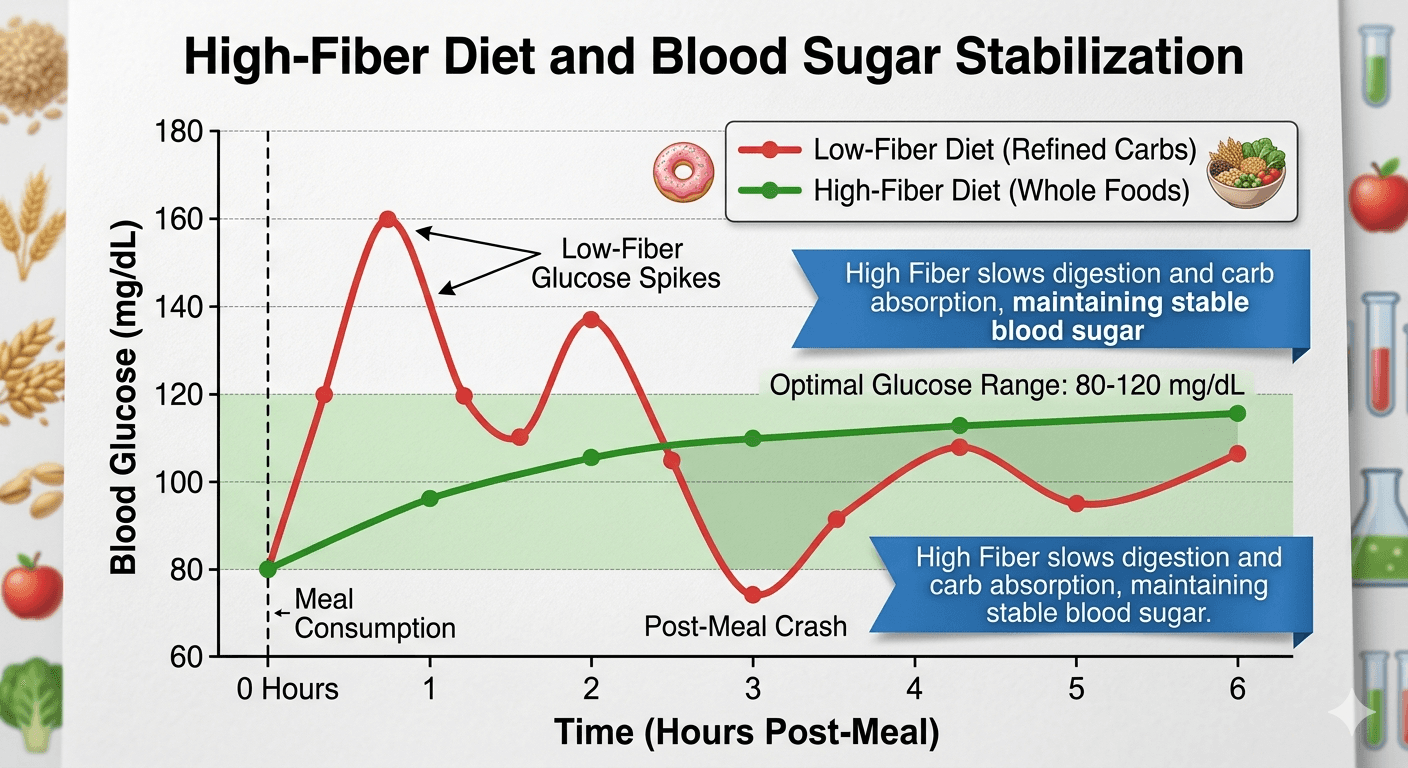
It Flattens Your Blood Sugar Curve
Soluble fiber forms a gel-like substance in your digestive tract that slows glucose absorption. This means no dramatic spike after a meal, no energy crash an hour later, and less insulin demand over time. People with type 2 diabetes, pre-diabetes, or anyone who experiences afternoon energy slumps can feel the difference within days of increasing fiber intake.
🔬 Studies show high-fiber diets reduce HbA1c (a long-term blood sugar marker) by an average of 0.55% — comparable to some medications for pre-diabetic individuals.

It Is the Best Weight Management Tool You Are Not Using
Fiber creates satiety through multiple mechanisms: it physically fills your stomach, slows gastric emptying, and triggers hormones like GLP-1 (the same pathway as popular weight-loss drugs) that signal fullness to your brain. High-fiber eaters consistently report eating less without trying — not because of willpower, but biology.
🔬 A landmark study found that simply adding 30 grams of fiber per day produced weight loss results nearly as significant as following a complex multi-rule diet.
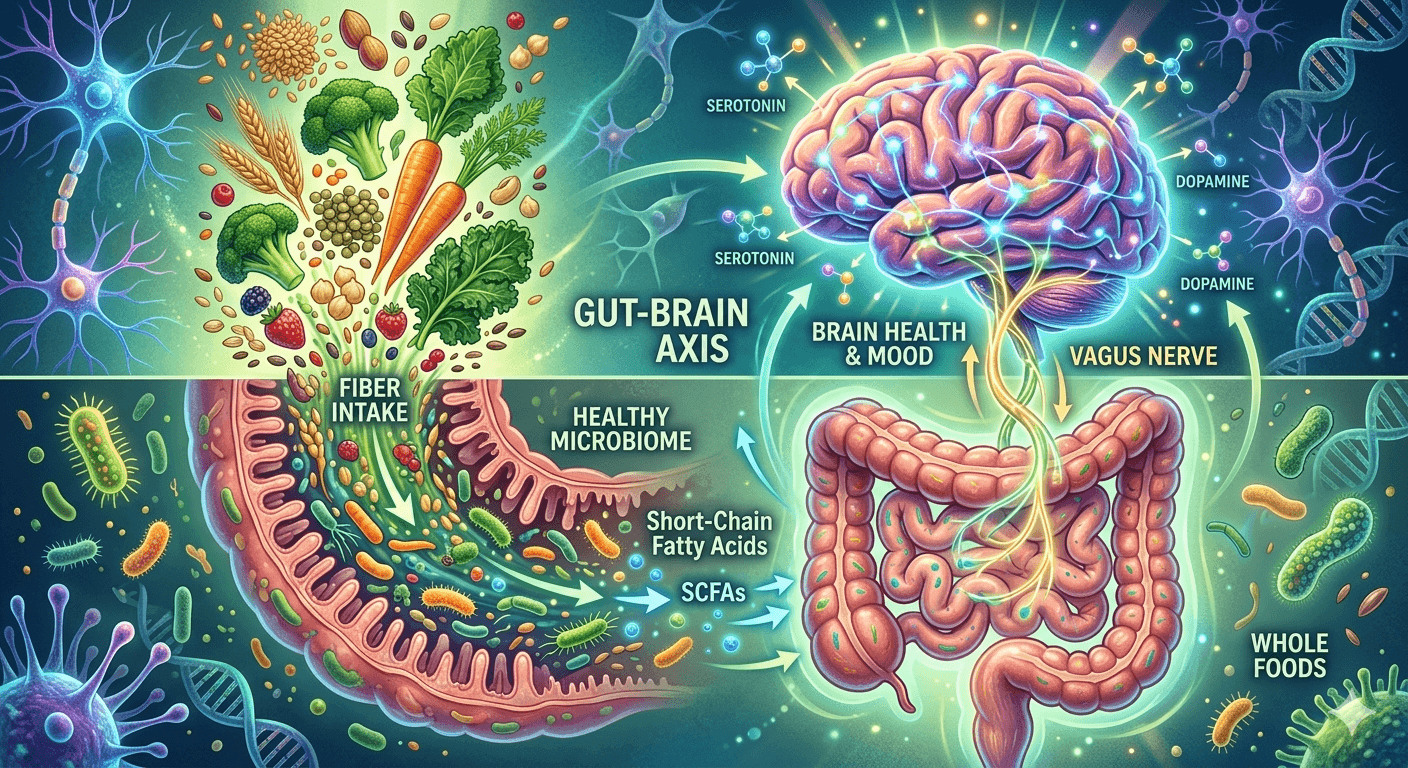
It Talks to Your Brain
The gut-brain axis is real and fiber is a key messenger. SCFAs produced by fiber fermentation cross into the bloodstream and reach the brain, influencing serotonin production, inflammation, and stress response. Emerging research is connecting low-fiber diets to higher rates of depression and anxiety. Your mood and your microbiome are more tangled than previously imagined.
🔬 Multiple studies now show that increasing dietary fiber and probiotic intake correlates with reduced anxiety and depressive symptoms — even in people without diagnosed mental health conditions.
It Cuts Your Cancer Risk Meaningfully
Colorectal cancer is one of the most preventable cancers — and fiber is the most studied dietary protective factor. Fiber speeds gut transit time (less time for carcinogens to sit against the colon wall), feeds bacteria that produce protective compounds, and reduces bile acid recycling. The evidence here is about as strong as nutritional science gets.
🔬 A major meta-analysis found that each 10g increase in daily fiber intake reduced colorectal cancer risk by 10%. The dose-response relationship is clear.
It Is Directly Linked to How Long You Live
Of all the dietary variables researchers have studied in longevity research, fiber intake stands out as one of the most consistent predictors of long life. This holds across populations, cultures, and study designs. The Blue Zones — the regions of the world with the highest concentrations of centenarians — all share one nutritional common thread: extremely high fiber diets centered on legumes, vegetables, and whole grains.
🔬 A large cohort study found that people with the highest fiber intake had a 23% lower risk of death from all causes compared to those with the lowest intake.
How Much Fiber Do You Actually Need?
Most people eat about half the recommended amount. Here is what the research suggests:
What most people in Western countries actually eat. Well below what research suggests is optimal.
Official guidelines (25g for women, 38g for men). A solid target to work toward.
What populations with the best health outcomes tend to eat. Plants-forward eating makes this achievable.
⚠️ If you are currently eating very little fiber, increase gradually over 2-3 weeks to avoid bloating and discomfort. Your gut bacteria need time to adapt.
How to Actually Eat More Fiber (Without Suffering)
Start With Legumes
Lentils, chickpeas, black beans, and kidney beans are the single highest-fiber foods per calorie you can eat. A half-cup of lentils delivers 8g of fiber. Add them to soups, stews, salads, and grain bowls.
Swap Refined Grains for Whole
White bread → whole grain sourdough. White rice → brown rice or farro. Refined pasta → legume-based pasta. These swaps alone can double your fiber intake without overhauling your diet.
Eat the Skin
Most of the fiber in fruits and vegetables lives in the skin. Apples, pears, cucumbers, potatoes — leave the skin on and you dramatically increase fiber content. This is the easiest habit with zero extra effort.
Add Seeds Everywhere
Chia seeds (10g fiber per oz), flaxseed, and hemp seeds are fiber-dense and largely tasteless. Add them to smoothies, yogurt, oatmeal, or salad dressings. Two tablespoons can add 5-10g of fiber invisibly.
Snack on Fiber, Not Against It
Replace processed snacks (which have near-zero fiber) with nuts, fruit, raw vegetables, or whole-grain crackers. The difference in fiber between a bag of chips and an apple is staggering — and the apple keeps you fuller longer.
Increase Gradually — Not All At Once
Going from 15g to 50g of fiber overnight will make you miserable. Add 5g per week over several weeks, drink more water, and let your microbiome adapt. Digestive discomfort from fiber is almost always a pacing issue, not a fiber issue.
Soluble vs. Insoluble Fiber: What's the Difference?
Not all fiber works the same way. Both types matter and most fiber-rich foods contain a mix of both:
| Factor | Soluble Fiber | Insoluble Fiber |
|---|---|---|
| Found in | Oats, beans, apples, flaxseed, psyllium | Wheat bran, vegetables, nuts, whole grains |
| What it does | Dissolves in water, forms a gel | Does not dissolve, adds bulk to stool |
| Primary benefit | Blood sugar control, cholesterol reduction | Digestive regularity, colon health |
| Gut bacteria | Highly fermentable — feeds microbiome | Less fermented — mechanical benefits |
| Weight management | Strong satiety effects via gel formation | Helps with volume and bowel transit |
| Who needs it more | Blood sugar issues, high cholesterol | Constipation, digestive sluggishness |
Your Fiber Questions, Answered
Can you get too much fiber?
Theoretically yes, but practically very rare through whole foods. Eating 70-80g+ from supplements could cause issues. From food? Most people struggle to eat even half the recommended amount. Focus on increasing, not capping.
Should I take fiber supplements instead of eating fiber-rich foods?
Supplements (like psyllium husk) have real benefits for specific goals like cholesterol or blood sugar, but they deliver only one type of fiber. Whole foods contain diverse fibers that feed different bacterial species. Supplements are a useful top-up, not a replacement.
Why does fiber give me gas and bloating?
Because your gut bacteria are fermenting it — which is exactly what you want them to do. The discomfort is usually temporary as your microbiome adapts. Increase slowly, stay hydrated, and give your gut 2-3 weeks to adjust. Most people find it resolves.
Do I need to eat fiber from a variety of sources?
Yes — this matters more than people realize. Different types of fiber feed different bacterial species. Eating the same two or three fiber sources every day is less effective than rotating through legumes, vegetables, fruits, seeds, and whole grains.
Is fiber good for people with IBS?
It depends. Soluble fiber (like psyllium or oats) often helps IBS. Certain fermentable fibers (FODMAPs) can trigger symptoms in some people. If you have IBS, a low-FODMAP approach with a dietitian can help you identify your specific tolerance.
Which single food has the most fiber?
Legumes win. A cup of cooked split peas has 16g of fiber. Lentils and black beans are close behind. Chia seeds deliver 10g per ounce. If you want maximum fiber efficiency, build meals around legumes and seeds first.
Keep Reading
Tags
Reviewed by Myrth Evidence Review
Editorial review for accuracy, sourcing, and medical-advice boundaries. We focus on clear, practical health and nutrition content grounded in established evidence and written for everyday decisions.
Sources
- Fiber - Harvard T.H. Chan School of Public Health
- Probiotics Fact Sheet for Health Professionals - NIH Office of Dietary Supplements
Get our weekly digest
One well-researched health or nutrition article per week. No spam.