How to Fix Vitamin D Deficiency Naturally
A practical guide to raising vitamin D levels with food, sensible sunlight exposure, and a simple step-by-step plan.

How to Fix Vitamin D Deficiency Naturally
Science-backed guide to restoring healthy vitamin D levels through diet and sunlight
Vitamin D deficiency affects nearly 1 billion people worldwide, causing fatigue, bone pain, muscle weakness, and increased risk of chronic diseases. The good news? You can fix it naturally through simple dietary changes and smart sun exposure.
This comprehensive guide will teach you exactly how to restore healthy vitamin D levels using food and sunlight, recognize deficiency symptoms early, and maintain optimal levels year-round without expensive supplements.
Warning Signs of Vitamin D Deficiency
Chronic Fatigue
Feeling exhausted even after adequate sleep. Vitamin D deficiency impairs mitochondrial function, reducing energy production at the cellular level.
Bone and Back Pain
Persistent aches in bones, lower back, or joints. Vitamin D is essential for calcium absorption; without it, bones become weak and painful.
Frequent Infections
Getting sick often or taking longer to recover. Vitamin D plays a critical role in immune function, helping your body fight viruses and bacteria.
Depression or Mood Changes
Low mood, anxiety, or seasonal affective disorder (SAD). Vitamin D receptors in the brain influence serotonin production and mood regulation.
Slow Wound Healing
Cuts, bruises, or surgical wounds that heal slowly. Vitamin D is crucial for tissue repair and fighting infection during the healing process.
Hair Loss
Thinning hair or excessive shedding, especially in women. Severe vitamin D deficiency can disrupt the hair growth cycle and cause alopecia.
Muscle Weakness
Difficulty climbing stairs, getting up from chairs, or general muscle aches. Vitamin D receptors in muscle tissue support strength and function.
Bone Loss (Osteoporosis)
Diagnosed with low bone density or osteoporosis. Long-term deficiency prevents proper calcium absorption, leading to brittle bones and fractures.
⚠️ Important Medical Note
If you experience multiple symptoms, get your vitamin D levels tested. A simple blood test (25-hydroxyvitamin D) will confirm deficiency and help you track progress.
Best Vitamin D Foods to Eat Daily
Very few foods naturally contain vitamin D, but the right ones can significantly boost your levels. Focus on these high-quality sources:

Fatty Fish
570-1000 IU per 100gSalmon, mackerel, sardines, and trout are the richest natural food sources of vitamin D3 (the most bioavailable form). They also provide omega-3 fatty acids for heart and brain health.

Egg Yolks
37-44 IU per yolkOne of the few foods with naturally occurring vitamin D. Eggs from pasture-raised chickens contain up to 6x more vitamin D than conventional eggs. Also provides complete protein and choline.

Fortified Milk & Yogurt
100-120 IU per cupMost commercial milk and yogurt are fortified with vitamin D3. Dairy products also provide calcium, which works synergistically with vitamin D for bone health.

Mushrooms (UV-Exposed)
130-450 IU per 100gThe only plant-based source of vitamin D. Mushrooms exposed to UV light produce vitamin D2. Varieties like shiitake, portobello, and maitake are excellent choices for vegetarians.

Fortified Orange Juice
100 IU per cupA convenient vitamin D source for those who don't consume dairy. Also provides vitamin C, potassium, and folate. Good option for lactose-intolerant individuals.
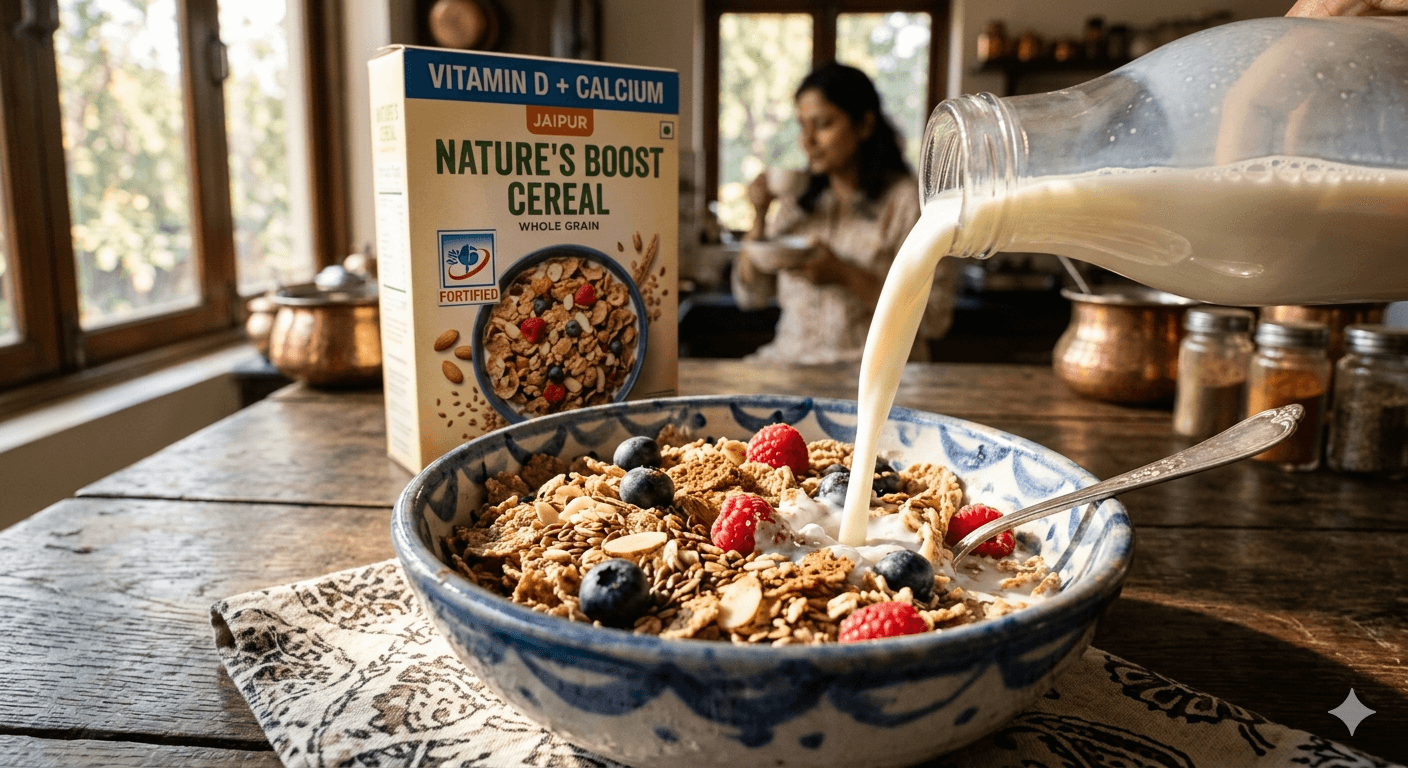
Fortified Cereals
40-100 IU per servingMany breakfast cereals are fortified with vitamin D and other nutrients. Provides a quick morning vitamin D boost, especially when paired with fortified milk.

Cod Liver Oil
450 IU per teaspoonOne of the most concentrated natural sources of vitamin D3. Also extremely rich in vitamin A and omega-3s. Historically used to prevent rickets in children.

Cheese
6-24 IU per ounceSwiss cheese, cheddar, and ricotta contain small amounts of vitamin D. Also provides calcium, protein, and vitamin K2 for bone health.
The Sunlight Strategy: How to Get Vitamin D Safely
The Sunshine Vitamin Strategy
Your skin produces vitamin D when exposed to UVB rays from sunlight. This is the most natural and effective way to maintain healthy levels - but it must be done safely and strategically.
Optimal Timing
Get sun exposure between 10 AM - 3 PM when UVB rays are strongest. You need less time during peak hours. Avoid midday sun if you burn easily.
Skin Exposure
Expose arms, legs, back, or abdomen without sunscreen for 10-30 minutes, 2-3 times per week. More melanin (darker skin) requires longer exposure time.
Location Matters
People living above 35° latitude (northern US, Europe) make little to no vitamin D from November-March. Focus on diet and supplements during winter months.
After Initial Exposure
Apply sunscreen after your vitamin D window (10-30 min) to prevent skin damage. Sunscreen blocks 95%+ of vitamin D production, so timing is crucial.
ℹ️ Sun Safety First
Never burn your skin trying to get vitamin D. Sunburn increases skin cancer risk. If you have fair skin, history of skin cancer, or live in intense sun regions, prioritize food sources and consult a dermatologist about safe sun exposure.
Your 4-Week Action Plan to Fix Deficiency
Week 1: Get Tested & Set Baseline
Schedule a 25-hydroxyvitamin D blood test with your doctor. Optimal levels are 30-50 ng/mL (75-125 nmol/L). Knowing your starting point helps you track progress and adjust your approach.
Week 2-3: Add Daily Vitamin D Foods
Incorporate 2-3 vitamin D-rich foods daily. Example: scrambled eggs for breakfast, Greek yogurt snack, and salmon for dinner twice a week. Consistency is more important than perfection.
Week 2-4: Smart Sun Exposure
Get 15-20 minutes of midday sun on exposed skin 3 times per week (weather and season permitting). Start with shorter durations if you have fair skin. Track your sun exposure in a journal.
Week 4: Retest & Adjust
Retest vitamin D levels after 4-6 weeks. If levels haven't improved significantly, consider adding a supplement (consult your doctor for dosage). Continue healthy sun and food habits long-term.
When to Consider Vitamin D Supplements
While food and sunlight are ideal, supplements may be necessary if you:
- Live in northern latitudes with limited sun exposure for months
- Have dark skin (requires 3-6x more sun exposure than fair skin)
- Are over 65 years old (skin produces less vitamin D with age)
- Rarely go outdoors or work night shifts
- Have conditions affecting fat absorption (Crohn's, celiac disease)
- Are obese (vitamin D gets stored in fat tissue, reducing bioavailability)
⚠️ Always consult a healthcare provider before starting supplements. Vitamin D toxicity is rare but possible with excessive supplementation (over 10,000 IU daily for months).
Lifestyle Factors That Support Vitamin D Absorption
Stay Active
Regular exercise, especially outdoors, helps your body utilize vitamin D more effectively and strengthens bones.
Maintain Healthy Weight
Obesity reduces vitamin D bioavailability. Losing excess weight can help restore healthy levels.
Eat Healthy Fats
Vitamin D is fat-soluble. Eating it with healthy fats (avocado, nuts, olive oil) improves absorption.
Manage Stress
Chronic stress and poor sleep disrupt hormone balance, including vitamin D metabolism. Prioritize rest and relaxation.
Optimize Magnesium
Magnesium is required to activate vitamin D. Include magnesium-rich foods like leafy greens, nuts, and whole grains.
Avoid Smoking
Smoking impairs vitamin D metabolism and increases inflammation, worsening deficiency.
Frequently Asked Questions
How long does it take to fix vitamin D deficiency?
With consistent sun exposure and dietary changes, you can see improvement in 4-6 weeks. Severe deficiency may take 2-3 months to normalize. Regular testing helps track progress. Supplements can speed up recovery under medical supervision.
Can you get enough vitamin D from food alone?
It's challenging but possible if you eat fatty fish 3-4 times weekly, consume fortified foods daily, and include egg yolks and mushrooms. Most people need a combination of food and sensible sun exposure to maintain optimal levels without supplements.
How much sun exposure do I need for vitamin D?
Fair skin: 10-15 minutes of midday sun, 2-3 times weekly. Medium skin: 15-20 minutes. Dark skin: 25-40 minutes. This varies by latitude, season, time of day, and skin tone. Never burn your skin in pursuit of vitamin D.
What are the best vitamin D3 supplements?
Vitamin D3 (cholecalciferol) is more effective than D2. Look for supplements with 1000-2000 IU per day for maintenance. Take with a meal containing fat for better absorption. Brands tested by third parties (USP, NSF) ensure quality and purity.
Can too much vitamin D be harmful?
Yes, but it's rare and usually only happens with excessive supplementation (over 10,000 IU daily for extended periods). Vitamin D toxicity causes hypercalcemia (high blood calcium), leading to nausea, weakness, and kidney problems. You cannot get toxic levels from sun or food.
Does vitamin D help with weight loss?
Vitamin D itself doesn't directly cause weight loss, but correcting deficiency may improve energy levels, mood, and metabolic function, which can support weight management efforts when combined with proper diet and exercise.
Why is vitamin D called the "sunshine vitamin"?
Because your skin naturally produces vitamin D when exposed to UVB rays from sunlight. It's the primary way humans have obtained vitamin D throughout history - spending time outdoors in the sun.
Can I get vitamin D on a cloudy day?
Yes, but reduced. Clouds block some UVB rays, so you may need 25-50% more time in cloudy conditions. Thick cloud cover can block most UVB. Glass windows block nearly all UVB, so indoor sunlight doesn't produce vitamin D.
Related Health Articles
Why You Should Eat Eggs Every Day
Learn why whole eggs provide vitamin D, B12, choline, complete protein, and other useful nutrients.
Top 10 Protein Sources Ranked
Discover the best high-protein foods for muscle growth, satiety, and healthy aging.
More Nutrition Guides
Browse evidence-based nutrition articles to improve your health.
Tags
Reviewed by Myrth Evidence Review
Editorial review for accuracy, sourcing, and medical-advice boundaries. We focus on clear, practical health and nutrition content grounded in established evidence and written for everyday decisions.
Sources
- Vitamin D Fact Sheet for Health Professionals - NIH Office of Dietary Supplements
Get our weekly digest
One well-researched health or nutrition article per week. No spam.