Plant Protein vs Animal Protein: Which Is Better?
A science-backed comparison of plant and animal protein for muscle building, heart health, longevity, gut health, weight management, and sustainability.
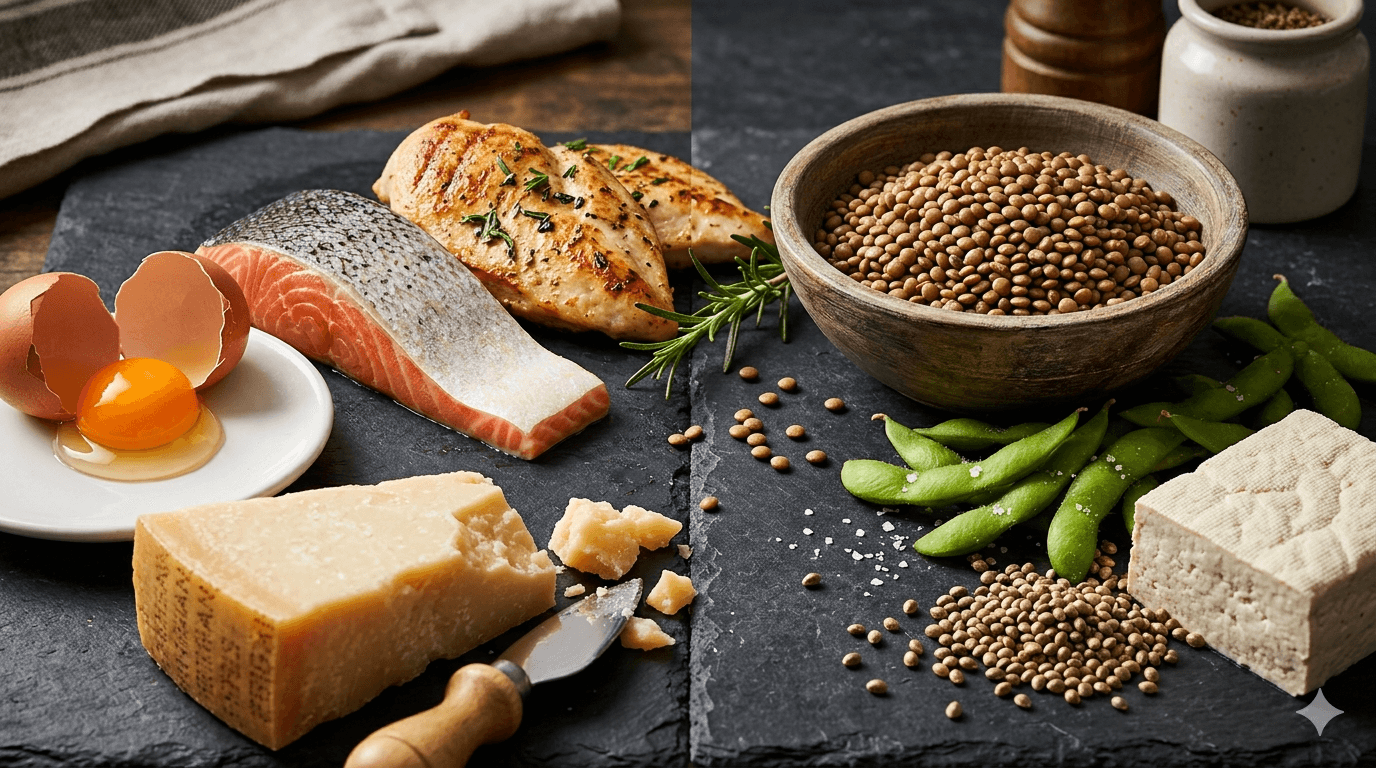
Plant Protein vs Animal Protein — Which One Should You Actually Eat?
The debate has a more nuanced answer than either camp wants to admit. Here's what the science actually says — about muscle, heart health, longevity, and your specific situation.
Few nutrition debates generate more heat and less light than plant protein vs. animal protein. On one side: vegans citing longevity studies and cardiovascular data. On the other: gym-goers waving leucine charts and amino acid profiles. Both sides cherry-pick. Both sides have valid points. And most people in the middle just want a straight answer.
Here it is: there is no single winner. But there are clear situations where one dramatically outperforms the other — and understanding those situations is far more useful than picking a team. We have gone through the research — from Harvard cohort studies to clinical trials published in 2025 — so you don't have to. This is what protein science actually looks like when you remove the ideology.
The Quick Verdict (Before We Get Into the Weeds)
Higher leucine content and DIAAS scores give animal protein a marginal advantage — but well-planned plant protein gets you 90–95% of the way there.
Harvard's 2024 study found a higher plant-to-animal protein ratio meaningfully reduced cardiovascular disease risk.
Replacing animal protein with plant protein is associated with reduced all-cause mortality in large prospective cohorts.
Volume matters more than source. Sufficient total protein with varied plant sources matches animal protein outcomes.
Legumes produce roughly 0.4kg CO₂ per 100g of protein vs. beef's 25–30kg. Not even close.
The Deep Dive - 9 Things You Need to Know
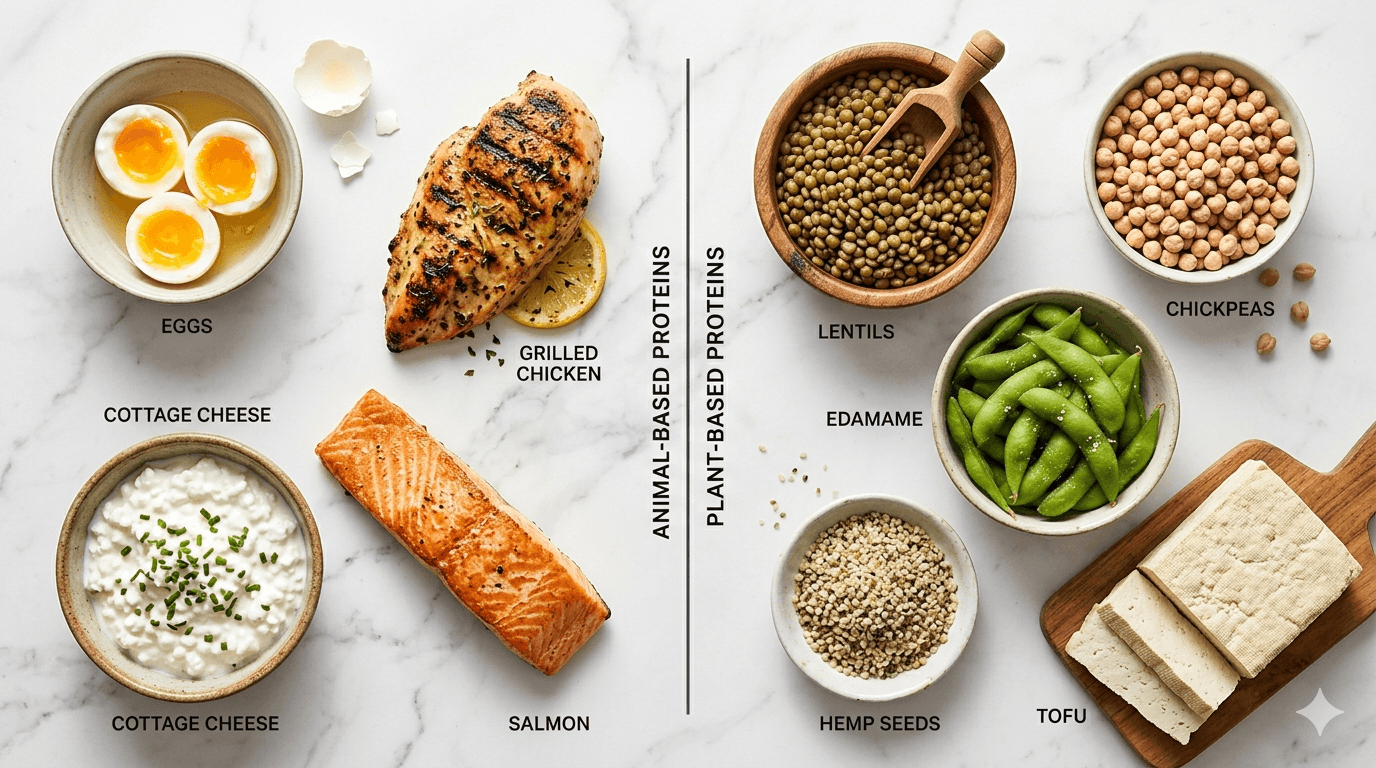
The Amino Acid Showdown: Completeness and Bioavailability
This is where animal protein has its clearest advantage. Protein quality is measured by two things: whether it contains all nine essential amino acids (completeness) and how much your body actually absorbs (bioavailability). Animal proteins — whey, eggs, chicken, fish, beef — score near-perfect on both. Their DIAAS scores (the gold standard for protein quality measurement) range from 0.9 to above 1.0. Most plant proteins fall between 0.5 and 0.9, limited by specific amino acids: legumes are often low in methionine; grains are low in lysine. The practical implication: you generally need to eat 20–30% more plant protein by gram to get the same usable amino acid dose. The critical nuance most people miss: this is a real difference, not a fatal flaw. Combining rice with lentils, or eating soy (which scores 1.0 on PDCAAS), creates complete amino acid profiles. And a 2025 meta-analysis in Nutrition Reviews found that when total protein intake is matched, plant and animal protein produce nearly identical muscle protein synthesis outcomes.
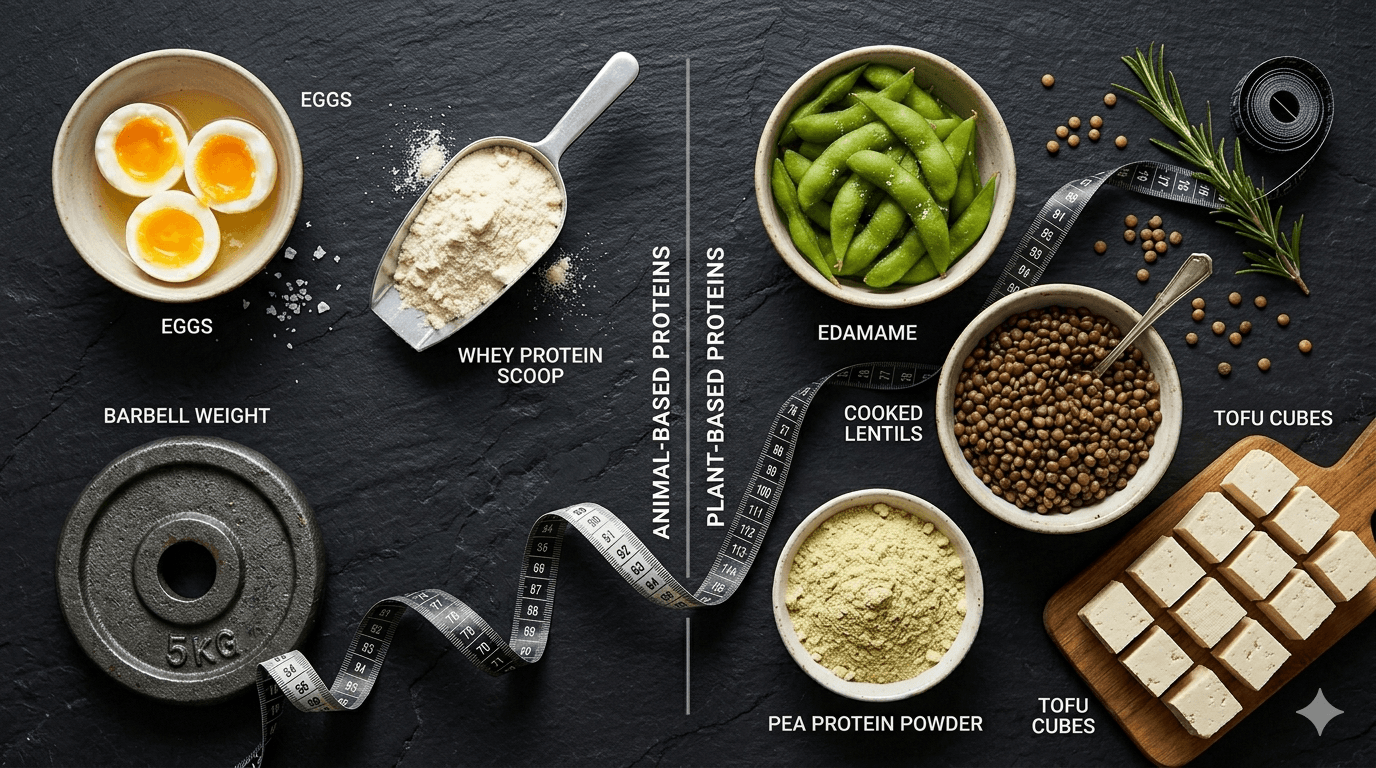
Muscle Building: Does the Source Actually Matter?
Muscle building is where the plant vs. animal debate gets the most heated — and the most misrepresented. Here's the real picture. Animal proteins, especially whey, are higher in leucine — the amino acid that acts as the 'key' that triggers muscle protein synthesis. A serving of whey can deliver 2.5–3g of leucine; the same gram-for-gram dose of pea protein delivers around 1.5–2g. This creates a real difference in acute muscle protein synthesis response. A 2025 randomized clinical trial found that both animal and plant protein blends supported comparable strength and hypertrophy gains when paired with resistance training — as long as total protein intake was adequate. The 2025 meta-analysis from Nutrition Reviews found animal protein provided a small but statistically significant benefit for muscle mass in younger adults. The practical takeaway: if you train seriously and eat plant-based, increase total protein intake by about 20% and prioritize leucine-rich sources like soy, edamame, and pea protein. You will achieve comparable results. If you eat animal protein, whey post-workout remains the most efficient option. The gap is real but bridgeable.
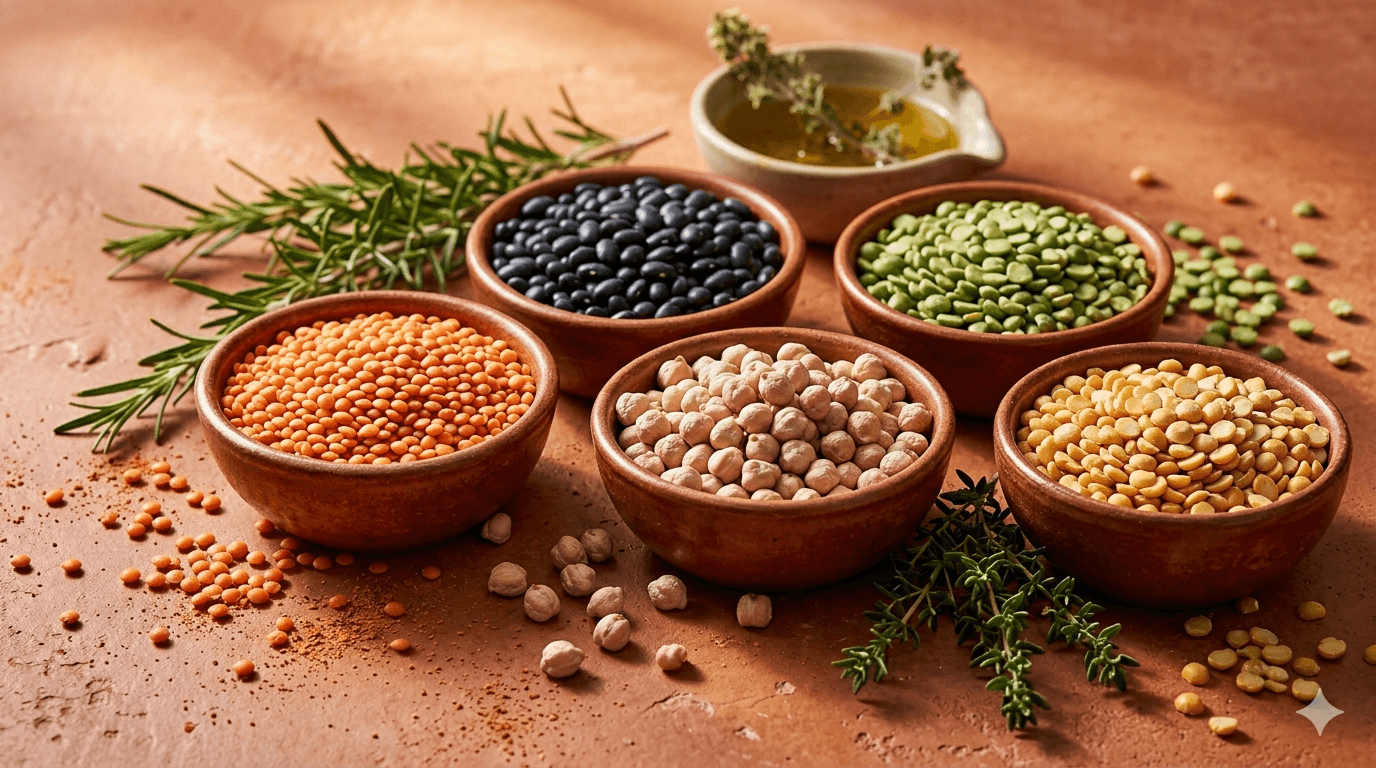
Heart Health: Where Plant Protein Wins Clearly
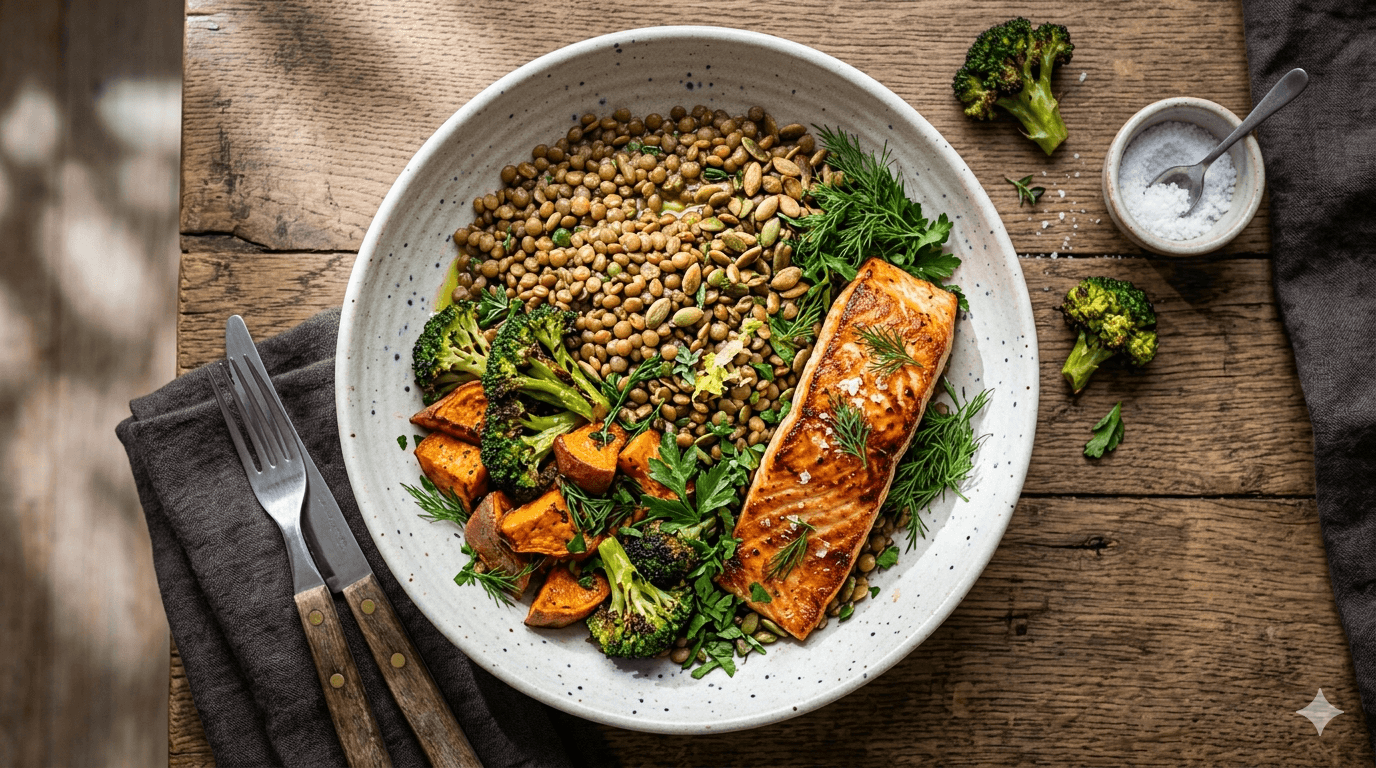
For cardiovascular health, the evidence tilts decisively toward plant protein. A landmark 2024 Harvard study published in the American Journal of Clinical Nutrition — drawing on three large prospective cohorts — found that a higher ratio of plant-to-animal protein was associated with meaningfully lower risk of cardiovascular disease and coronary heart disease. The mechanisms are well understood. Plant proteins come packaged with fiber, phytosterols, and polyphenols that actively reduce LDL cholesterol and arterial inflammation. Animal proteins — particularly red and processed meats — are associated with higher saturated fat intake, increased TMAO production (a gut metabolite linked to plaque formation), and elevated inflammatory markers. Notably, the cardiovascular risk is not uniform across all animal proteins: fish and poultry show neutral to slightly positive effects; processed red meat shows the clearest harm. Swapping red meat protein for legume protein is one of the most evidence-backed single dietary changes for cardiovascular risk reduction.
Longevity and Mortality: The Long Game
When you zoom out from individual health markers and look at who lives longer, plant protein consistently comes out ahead. A 2024 letter in the New England Journal of Medicine confirmed that plant proteins are associated with reduced mortality compared with animal proteins across large population studies. Multiple large cohort studies show that replacing a portion of animal protein — especially red and processed meat — with plant protein sources like legumes and nuts is linked to reduced risk of death from cardiovascular disease, cancer, and all causes combined. This doesn't mean animal protein kills you. It means the total dietary pattern matters: animal protein eaten alongside high vegetable, fiber, and plant food intake carries far lower risk than animal protein as the dominant, isolated food source. The longevity sweet spot, supported by Blue Zone research, appears to be a predominantly plant-based diet with moderate inclusion of fish and poultry rather than strict exclusion of all animal protein.
For Athletes and High-Output People: The Nuanced Answer
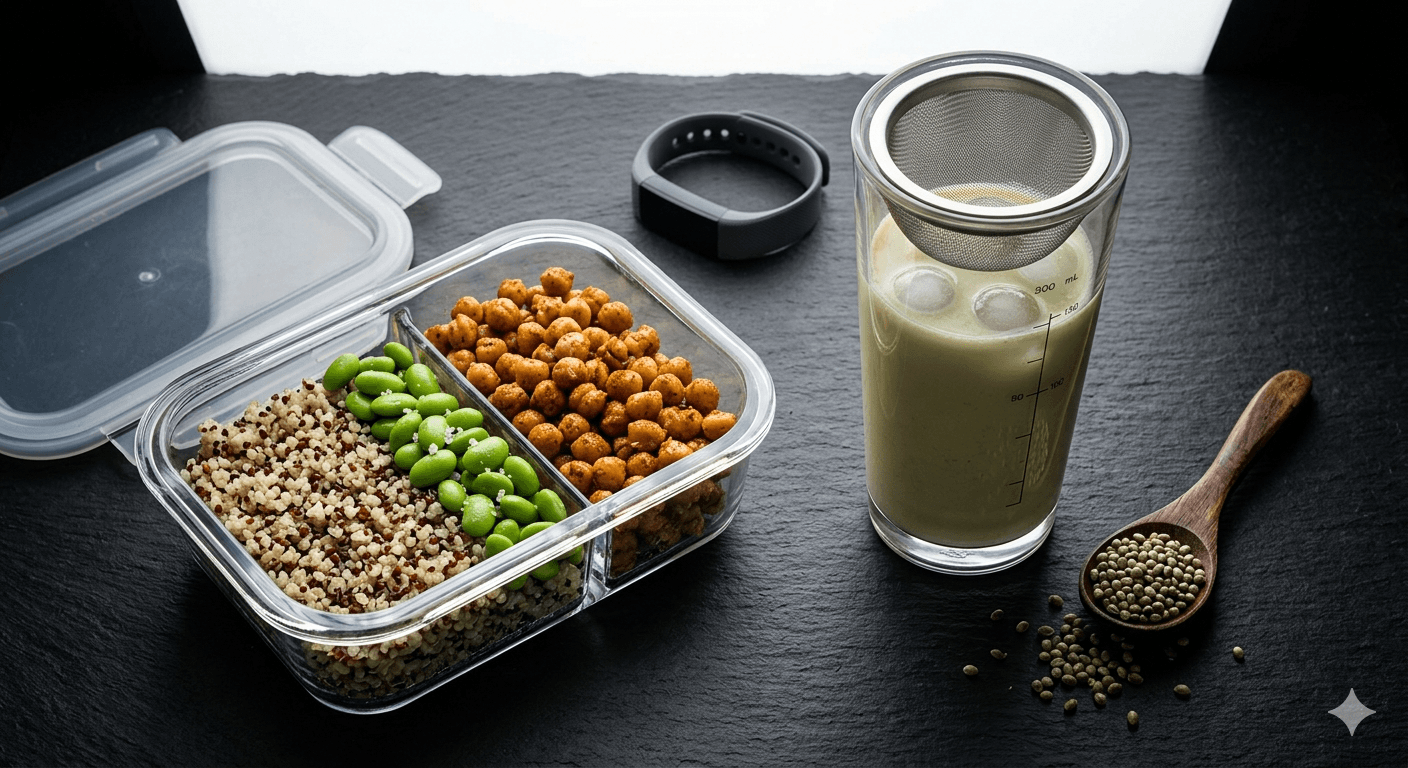
If you're training hard — whether that's competitive sport, strength training 4–5x per week, or endurance athletics — the calculus shifts. Under high protein demands (1.6–2.2g per kg of body weight), the lower bioavailability of plant protein means you need to be more intentional. A vegetarian or vegan athlete eating 1.6g/kg of total protein may be getting the functional equivalent of 1.3g/kg in usable amino acids. The solution isn't abandoning plant protein — it's strategic stacking: pair rice with peas, add soy or hemp protein, ensure leucine per meal hits 2.5–3g threshold. A 2025 clinical trial confirmed that plant protein blends matched animal protein for both strength and hypertrophy outcomes in resistance-trained adults when consumption was adequate. The bottom line: animal protein is more efficient, not essential. High-performance plant-based eating requires more planning but is entirely achievable and supported by elite-level athletes across endurance and strength sports.
Gut Health and the Microbiome: An Underrated Difference
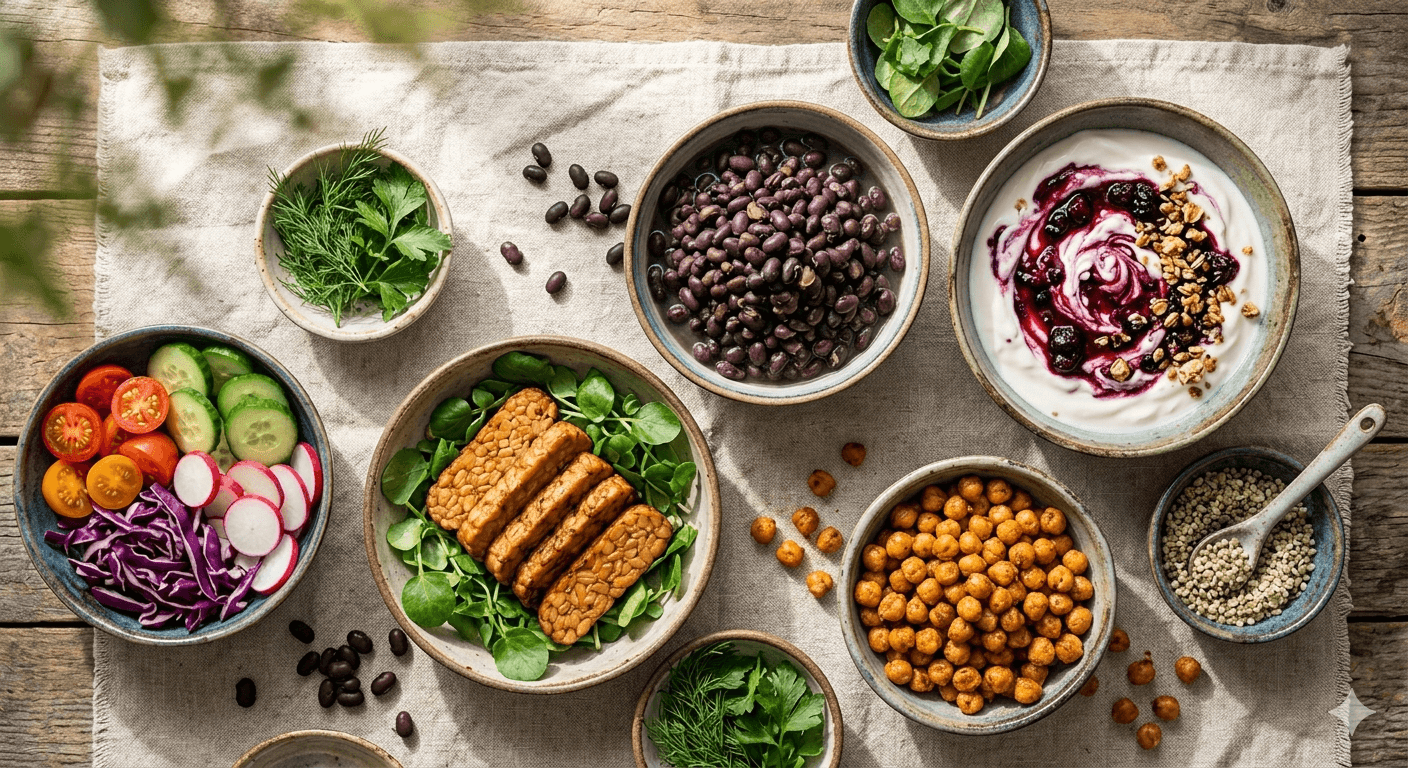
One of the most underappreciated differences between plant and animal protein is what they do to your gut microbiome. Plant proteins come embedded with fiber, resistant starch, and polyphenols that feed diverse beneficial bacteria — acting as prebiotics alongside their protein content. This produces short-chain fatty acids that reduce gut inflammation, improve the gut barrier, and have systemic anti-inflammatory effects throughout the body. High animal protein diets, particularly those heavy in red meat, have been associated with increased production of secondary bile acids and TMAO — compounds produced by gut bacteria metabolizing carnitine and choline from meat, which are linked to increased cardiovascular risk and colon cancer. This doesn't make all animal protein a gut hazard: fermented dairy like yogurt actively supports the microbiome. But the gut argument clearly favors plant protein for the average person eating a high-meat Western diet.

Weight Management: Which Keeps You Fuller, Longer?
Both plant and animal protein are far more satiating than carbohydrates or fat, and both support fat loss when integrated into a calorie-controlled diet. Protein increases levels of GLP-1, PYY, and CCK — satiety hormones — while suppressing ghrelin. Animal proteins, especially casein (slow-digesting dairy protein), tend to produce prolonged satiety due to slow absorption. Plant proteins, particularly legume-based ones, come paired with fiber that further delays gastric emptying and feeds the satiety response through the gut microbiome axis. Studies comparing weight loss outcomes between plant-based and animal-based high-protein diets show comparable results when total protein is matched. If you're specifically targeting fat loss, the additional fiber content of plant protein sources gives them a marginal practical edge — not because the protein itself is superior, but because you get more volume and gut feedback per calorie.
The Environmental Reality: A Difference of Orders of Magnitude
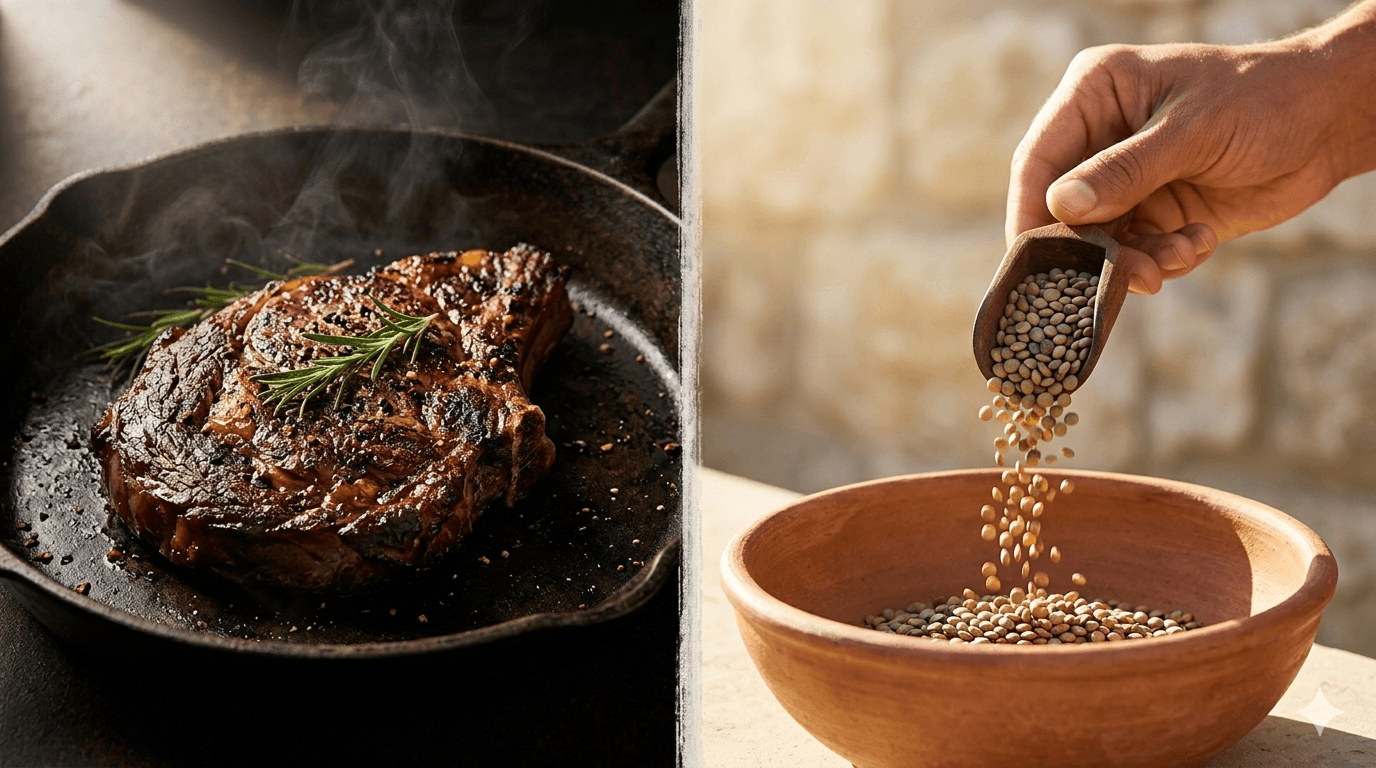
This isn't a nutrition argument — it's a real-world context that belongs in an honest comparison. The environmental gap between plant and animal protein is vast. Producing 100g of protein from beef generates approximately 25–30kg of CO₂ equivalent and requires roughly 100x more land than producing the same protein from legumes. Lentils and beans generate around 0.4kg CO₂ per 100g of protein. Chicken and pork sit in the middle. Seafood varies widely — wild-caught small fish are relatively low-impact; shrimp farming is not. If health outcomes between the two sources were truly identical, this gap would make the decision obvious. They're not identical — but they're far closer than most people assume. The environmental case for shifting the majority of protein intake toward plant sources is overwhelming.
Special Populations: Who Should Prioritize Which Source?
The plant vs. animal protein debate doesn't have a universal answer partly because the optimal balance changes dramatically depending on who you are. Older adults (60+) may benefit from prioritizing animal protein: studies show animal protein produces a stronger anabolic response in older muscle, which is more resistant to protein stimulation — and sarcopenia (muscle loss with age) is a serious health risk. Growing children and adolescents benefit from complete amino acid profiles; a plant-heavy diet needs careful planning to ensure adequate lysine and B12. Pregnant women: animal protein sources provide heme iron, B12, DHA, and complete amino acids that are harder to obtain from plants alone without supplementation. People with kidney disease: plant protein produces lower levels of protein waste products and may slow disease progression better than animal protein. People at high cardiovascular risk: the evidence strongly favors shifting from red meat toward legumes, fish, and plant protein.
How to Eat Protein Optimally — Based on Your Goal
You want to build maximum muscle
Aim for 1.6–2.2g protein per kg of body weight. Animal protein (whey, eggs, chicken, fish) post-workout maximizes leucine delivery and muscle protein synthesis. If plant-based, increase total protein by 20%, prioritize soy and pea protein, and ensure 2.5–3g leucine per meal.
You want to protect your heart
Shift red meat toward legumes, fish, and poultry. A 1:1 or higher plant-to-animal protein ratio is associated with significantly reduced cardiovascular risk. Lentils 3–4x per week, fish 2–3x, and minimizing processed meat is the most evidence-backed pattern.
You want to live longer
Follow a predominantly plant-forward diet but don't obsess over eliminating all animal protein. Blue Zone populations eat fish and eggs regularly. Replace processed meat and red meat with legumes and nuts — this single swap has the clearest mortality benefit.
You're over 60
Increase total protein intake above the standard RDA (aim for 1.2–1.6g/kg). Prioritize high-leucine complete protein sources — eggs, dairy, fish, and soy — to overcome the anabolic resistance of aging muscle. Resistance training remains essential alongside protein quality.
You're eating mostly plants and not sure if it's enough
Track leucine (target 2.5–3g per meal), diversify your plant sources daily (rice + lentils + seeds), supplement B12 (non-negotiable on a vegan diet), and consider a pea or soy protein supplement if total daily protein falls below 1.2g/kg. Your gut and cardiovascular markers will likely improve.
The Bottom Line
Animal protein wins on efficiency and muscle-building per gram. Plant protein wins on heart health, longevity markers, and environmental impact. The research is clear that you don't need to choose one or the other - but it's equally clear that most people eating a Western diet would benefit from shifting protein more toward plants. The ideal plate isn't vegan or carnivore - it's plant-forward with room for eggs, fish, and dairy, and much less processed red meat. That sweet spot is where the science consistently points.
Frequently Asked Questions
Is plant protein enough for building muscle?
Yes, with intentional planning. The key is consuming 20–30% more total protein than you would from animal sources, prioritizing leucine-rich plant proteins (soy, edamame, pea protein), and combining complementary sources to cover all essential amino acids. A 2025 clinical trial confirmed that plant protein blends match animal protein for muscle hypertrophy and strength when total intake is adequate.
Which plant protein is closest to animal protein in quality?
Soy protein is the clear winner — it's the only plant protein that scores 1.0 on the PDCAAS scale (matching eggs and whey) and contains all essential amino acids in adequate amounts. Pea protein comes second, with a good amino acid profile and high digestibility. Hemp, quinoa, and the combination of rice + peas also produce near-complete profiles.
Does animal protein cause cancer?
The evidence is nuanced and source-specific. Processed red meat (sausages, bacon, cured meats) has the clearest association with colorectal cancer risk and is classified as a Group 1 carcinogen by the IARC. Unprocessed red meat is classified as 'probably carcinogenic' (Group 2A). Fish, poultry, and dairy show no clear positive association with most cancers. Plant proteins are not associated with increased cancer risk.
Can I get enough protein on a fully plant-based diet?
Absolutely — with planning. The core strategy is caloric adequacy (undereating is a common issue on plant-based diets), daily variety across legumes, grains, nuts, and seeds, and attention to B12 (supplementation required for vegans). Athletes may benefit from a dedicated pea or soy protein supplement to hit higher protein targets efficiently.
Which is better for weight loss — plant or animal protein?
Both are effective for weight loss when total calories are controlled. High-protein diets of either type increase satiety and preserve lean mass during calorie restriction. Plant protein sources tend to come with more fiber, which adds an additional satiety benefit per calorie. Practically, plant-based high-protein meals are often lower in calorie density, making portion control easier for some people.
What's the best protein powder — whey, pea, or soy?
For muscle building efficiency: whey protein (especially whey isolate) remains the gold standard due to its high leucine content and rapid absorption rate. For plant-based equivalence: a combination of pea + rice protein (many blended supplements use this) closely matches whey in amino acid completeness. Soy protein isolate is also a strong single-source option. For gut tolerance: many people find plant proteins easier on digestion than whey.
Related Articles
What Happens to Your Body When You Eat Amla Every Day
9 science-backed benefits of the most antioxidant-dense fruit you're probably not eating.
Why You Should Eat Eggs Every Day
8 science-backed reasons the humble egg is one of the most powerful foods on your plate.
More Nutrition Guides
Browse more evidence-based nutrition articles from Myrth.
Tags
Reviewed by Myrth Evidence Review
Editorial review for accuracy, sourcing, and medical-advice boundaries. We focus on clear, practical health and nutrition content grounded in established evidence and written for everyday decisions.
Sources
- High-protein foods: The best protein sources to include in a healthy diet - Harvard Health Publishing
- Fiber - Harvard T.H. Chan School of Public Health
- Blue Zones Food Guidelines - Blue Zones
Get our weekly digest
One well-researched health or nutrition article per week. No spam.