This Is What Your Body Needs More Than Protein
Protein matters, but better sleep, more fiber, hydration, micronutrients, and enough carbs often move your health forward faster.
This Is What Your Body Needs More Than Protein
Protein is important, but it cannot fix low energy, poor digestion, bad recovery, or a chaotic routine on its own.

Protein's job
Repair + build
Great for muscle, fullness, and recovery. Not a complete health system.
What fiber does
Feeds the gut
It supports satiety, bowel regularity, cholesterol, and blood sugar control.
What sleep does
Runs recovery
Without it, appetite, hormones, focus, and training quality all get worse.
Protein has become the star of modern nutrition. Every snack is high-protein, every reel tells you to chase grams, and every fitness conversation seems to end there. But your body is not built on protein alone.
If you are eating more protein but still feel bloated, tired, hungry, constipated, moody, or flat in the gym, the problem may not be protein at all. In many real lives, the body needs better sleep, more fiber, enough hydration, steadier carbs, and actual micronutrients before it needs another scoop of powder.
Why Protein Alone Is Not Enough
Protein helps repair tissue, preserve muscle, and keep you fuller for longer. That matters. But protein does not replace the roles of fiber, fluids, carbohydrates, vitamins, minerals, sunlight, sleep, and nervous-system regulation. You can hit a high protein target and still have poor digestion, erratic hunger, stubborn fatigue, headaches, bad workouts, and weak recovery if the rest of the system is underfed.
What Your Body Often Needs More Than Protein
These are the basics people skip while obsessing over grams. If these are weak, adding more protein often gives disappointing results.
Fiber
Because your gut cannot run on chicken alone.
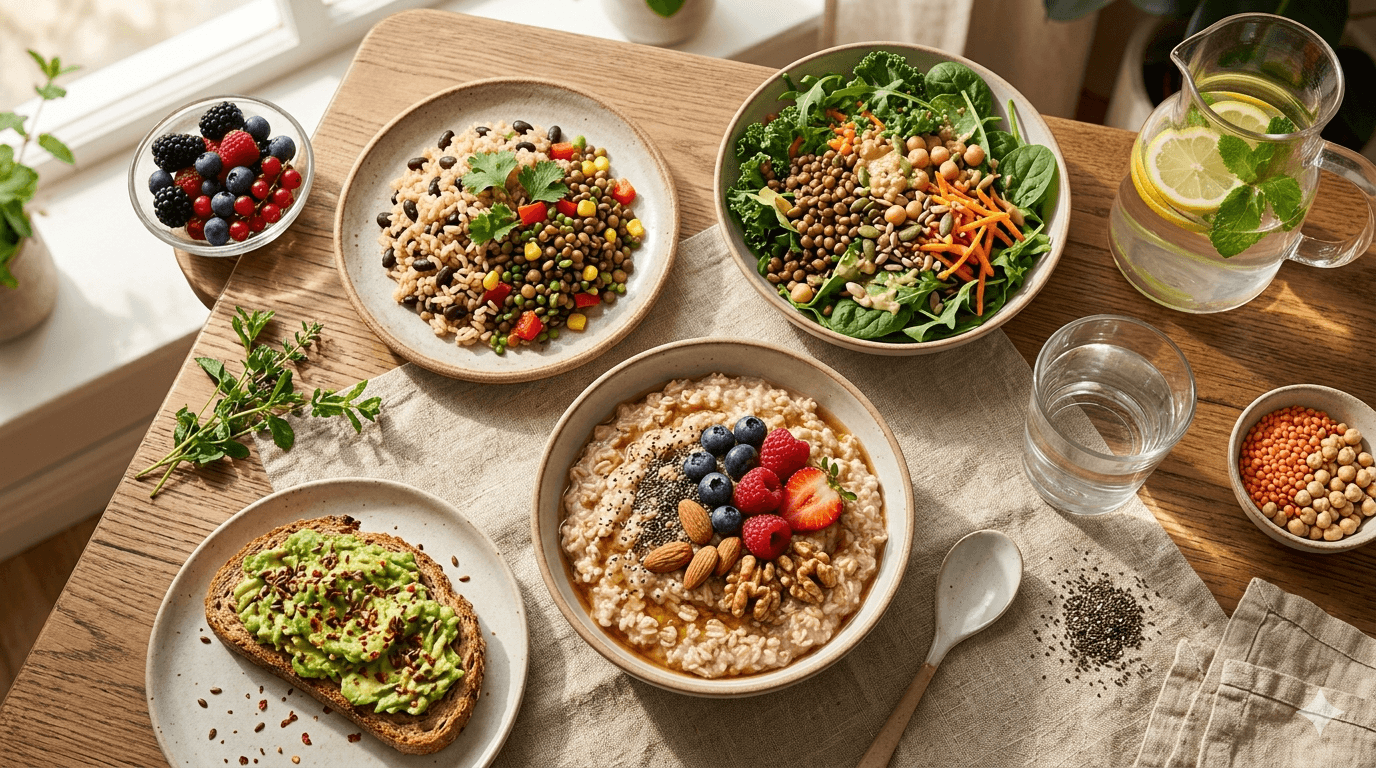
Fiber is one of the biggest missing pieces in modern diets. It slows digestion in a helpful way, supports healthy cholesterol and blood sugar, improves fullness, and feeds beneficial gut bacteria that shape inflammation, bowel health, and even mood.
Why this may matter more right now
If you are already getting enough protein but barely eating fruit, vegetables, legumes, oats, seeds, or whole grains, your body will often benefit more from fixing fiber than from adding extra protein.
Practical move
Aim to include at least one fiber source at every meal: berries, chia seeds, oats, dal, beans, vegetables, fruit, or whole grains.

Sleep
Because recovery does not happen in your shaker bottle.
Sleep is when your body regulates hormones, restores the brain, consolidates training adaptation, and resets appetite signals. Poor sleep can increase cravings, reduce insulin sensitivity, worsen stress, and make workouts feel harder even when your food is technically good.
Why this may matter more right now
For someone sleeping five or six broken hours, improving sleep often does more for energy, recovery, hunger control, and body composition than increasing protein further.
Practical move
Protect a regular sleep window, reduce late-night scrolling, and build a wind-down routine your body can trust.

Hydration
Because cells, circulation, and digestion all need water first.
Water affects digestion, temperature control, blood volume, exercise performance, bowel regularity, and how alert you feel. People often read dehydration as hunger, fatigue, or brain fog and then try to solve it with more food.
Why this may matter more right now
If your mouth is dry, your urine is dark, your head hurts, and your digestion is sluggish, another protein snack will not solve the actual bottleneck.
Practical move
Start the day with water, drink steadily through the day, and add extra fluids around heat, travel, and training.
Micronutrients
Because muscles still need minerals and vitamins to work properly.
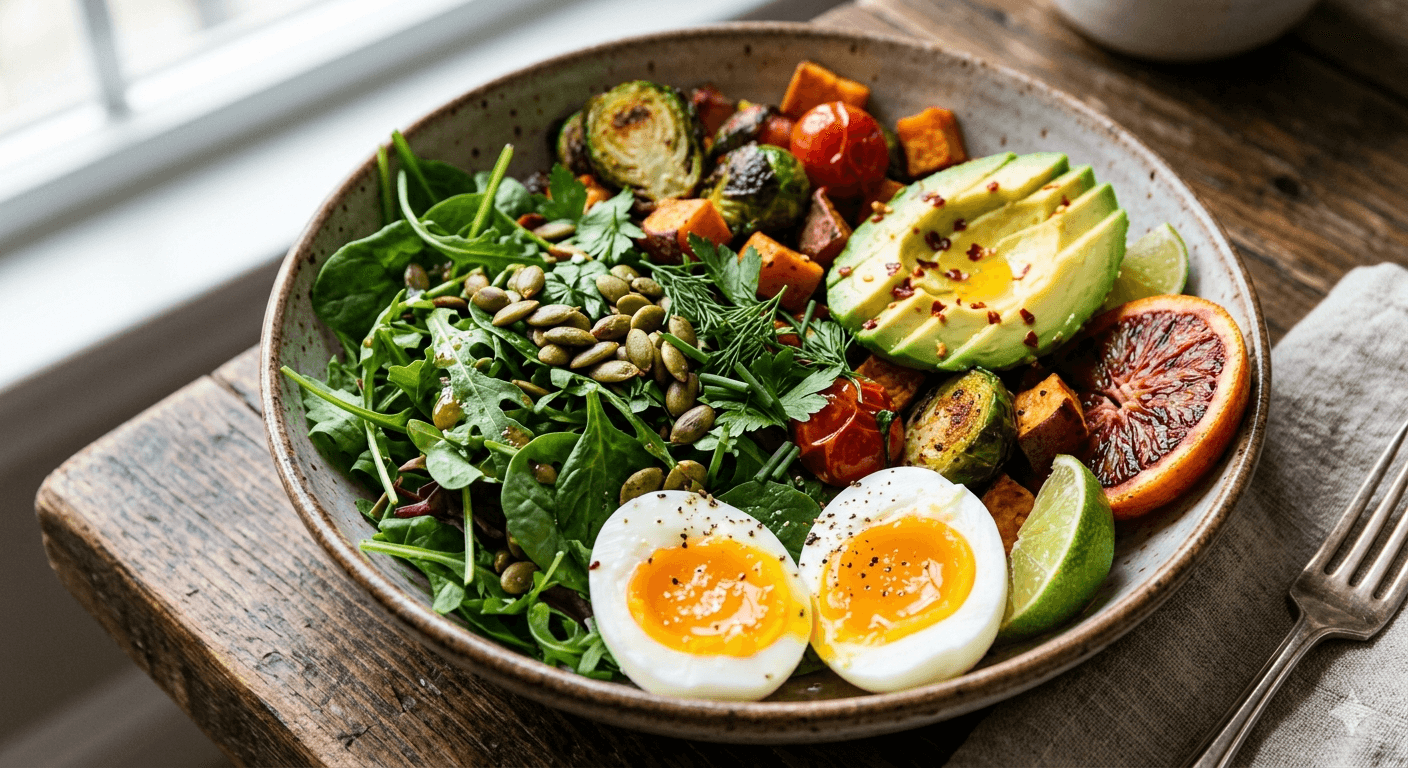
Iron, magnesium, potassium, B vitamins, calcium, iodine, zinc, and vitamin D all influence how you feel and function. They support oxygen transport, nerve signaling, muscle contraction, thyroid function, bone health, and energy metabolism.
Why this may matter more right now
If your meals are repetitive and low in color and variety, your body may be short on micronutrients even while protein intake looks impressive on paper.
Practical move
Build variety into the week: eggs, dairy or fortified alternatives, leafy greens, legumes, nuts, seeds, fruit, seafood if you eat it, and different vegetables.

Carbohydrates
Because energy matters too.
Carbohydrates are not the enemy. They are the preferred fuel source for high-effort training, a major support for glycogen replenishment, and often the difference between flat, irritable days and strong, productive ones. Whole-food carbs also carry fiber, potassium, and other nutrients.
Why this may matter more right now
If you are training hard, walking a lot, or mentally exhausted, under-eating carbs can leave you drained even if protein is high.
Practical move
Use smart carbs around activity: fruit, rice, potatoes, oats, beans, whole grain breads, and other minimally processed staples.

Stress Regulation
Because a constantly stressed body cannot use nutrition well.
Chronic stress changes appetite, digestion, sleep quality, inflammation, and food choices. It can push you toward convenience eating, poor recovery, bloating, irregular bowel habits, and that wired-but-tired feeling that no macro target fixes.
Why this may matter more right now
When stress is running the whole system, better meals help, but your body may need calm just as urgently as it needs nutrients.
Practical move
Walk after meals, breathe before meals, take screen breaks, and create at least one slower rhythm in the day.
Signs You Are Focusing Too Much On Protein
A high-protein diet can still feel terrible when the rest of your routine is out of balance. Watch for these clues:
You are constipated or bloated despite eating clean.
This often points toward low fiber, low fluids, rushed eating, or gut imbalance rather than low protein.
You feel tired even with high-protein meals.
Low sleep, poor hydration, low iron, low carbs, or overall under-fueling may be the bigger issue.
You are always hungry after eating.
Meals built only around protein can miss fiber, volume, carbs, and satisfaction.
Your workouts feel flat or your mood feels off.
A body that is under-recovered, under-hydrated, or under-carbed rarely performs or feels good.
A Better Daily Formula
Instead of asking only 'How much protein is in this?', build meals that actually support the whole body:
Start with protein
Keep it in the meal, but stop making it the only thing that matters.
Add a fiber anchor
Vegetables, beans, lentils, fruit, oats, or whole grains should show up daily and often.
Include useful carbs
Especially if you train, walk a lot, or want better energy and focus.
Add color and variety
Different colors usually mean a wider spread of vitamins, minerals, and plant compounds.
Hydrate alongside meals
Digestion and performance work better when fluids are not an afterthought.
Protect your evenings
The best diet looks weaker when sleep is constantly sabotaged.
Common Questions
Is protein overrated?
Protein is not overrated. It is just incomplete when treated like the only health metric that matters. The smarter view is that protein works best inside a balanced system.
What should I fix first if I already eat enough protein?
For many people, the highest-return fixes are fiber, sleep, hydration, and meal balance. If symptoms persist, it is also worth looking at iron, vitamin D, B12, stress, and overall calorie intake.
Can I build muscle without obsessing over protein?
Yes. You need adequate protein, not a constant obsession. Training quality, total calories, sleep, and recovery all matter for muscle gain too.
How do I know if I am under-eating carbs?
Common clues include low workout performance, irritability, cravings, poor recovery, headaches, and feeling drained despite eating what looks like a healthy diet.
What is the simplest takeaway from this article?
Stop building your health around one nutrient. Protein matters, but your body usually needs a complete routine more than another protein hack.
Keep Reading
Tags
Reviewed by Myrth Evidence Review
Editorial review for accuracy, sourcing, and medical-advice boundaries. We focus on clear, practical health and nutrition content grounded in established evidence and written for everyday decisions.
Sources
- High-protein foods: The best protein sources to include in a healthy diet - Harvard Health Publishing
- Fiber - Harvard T.H. Chan School of Public Health
Get our weekly digest
One well-researched health or nutrition article per week. No spam.