10 Foods That Secretly Damage Your Gut Health (2026)
You eat them every day thinking they're fine or even healthy. Here are 10 foods quietly wrecking your gut microbiome, and what to do instead.
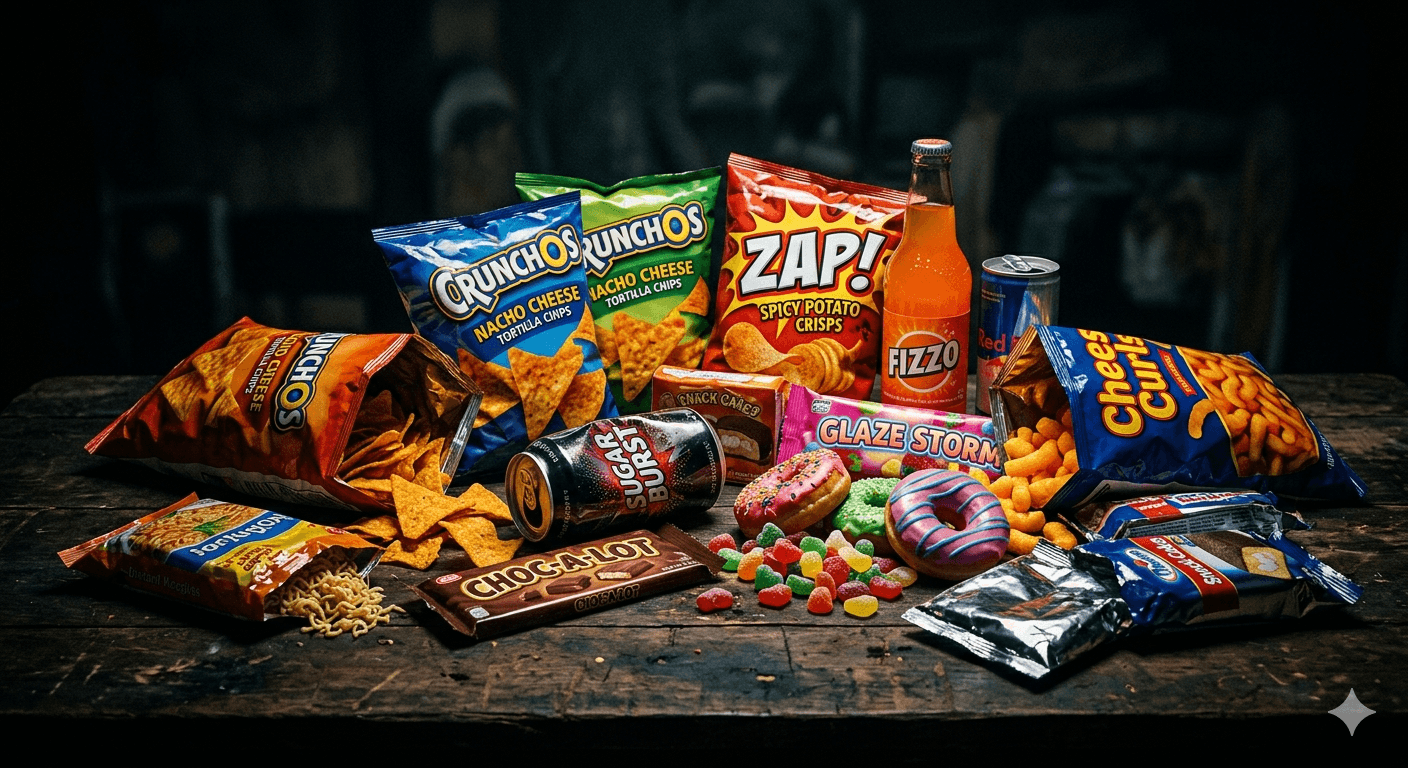
10 Foods That Secretly Damage Your Gut Health
Some of them are in your kitchen right now — and they're not what you'd expect
Your gut microbiome is one of the most complex and consequential ecosystems in your body. It influences your immune system, your mood, your metabolism, and your long-term disease risk. And it is surprisingly fragile.
Most people know that junk food is bad. What they don't know is that several foods marketed as healthy — or simply considered neutral — are quietly disrupting gut bacteria, eroding the gut lining, and triggering low-grade inflammation. This list covers the worst offenders, backed by research, with no room for vague wellness talking points.
Signs Your Gut Is Already Struggling
Before you overhaul your diet, know what you're dealing with. These are common signals that your microbiome is under stress:
Chronic bloating or gas after meals
Particularly after eating processed foods or sweets — a sign of dysbiosis or fermentation imbalance.
Brain fog and unexplained fatigue
The gut produces 90% of your serotonin. A disrupted microbiome disrupts neurotransmitter production.
Irregular digestion (constipation or diarrhea)
Gut bacteria regulate motility. Disrupted flora leads to unpredictable bowel patterns.
Getting sick more often than you used to
70% of your immune system lives in the gut. Microbiome disruption directly weakens immune defense.
Increased anxiety or low mood
The gut-brain axis means gut inflammation often shows up as mental symptoms first.
Strong cravings for sugar or processed food
Certain pathogenic gut bacteria actually signal the brain to crave the foods they thrive on.
The 10 Gut-Wrecking Foods
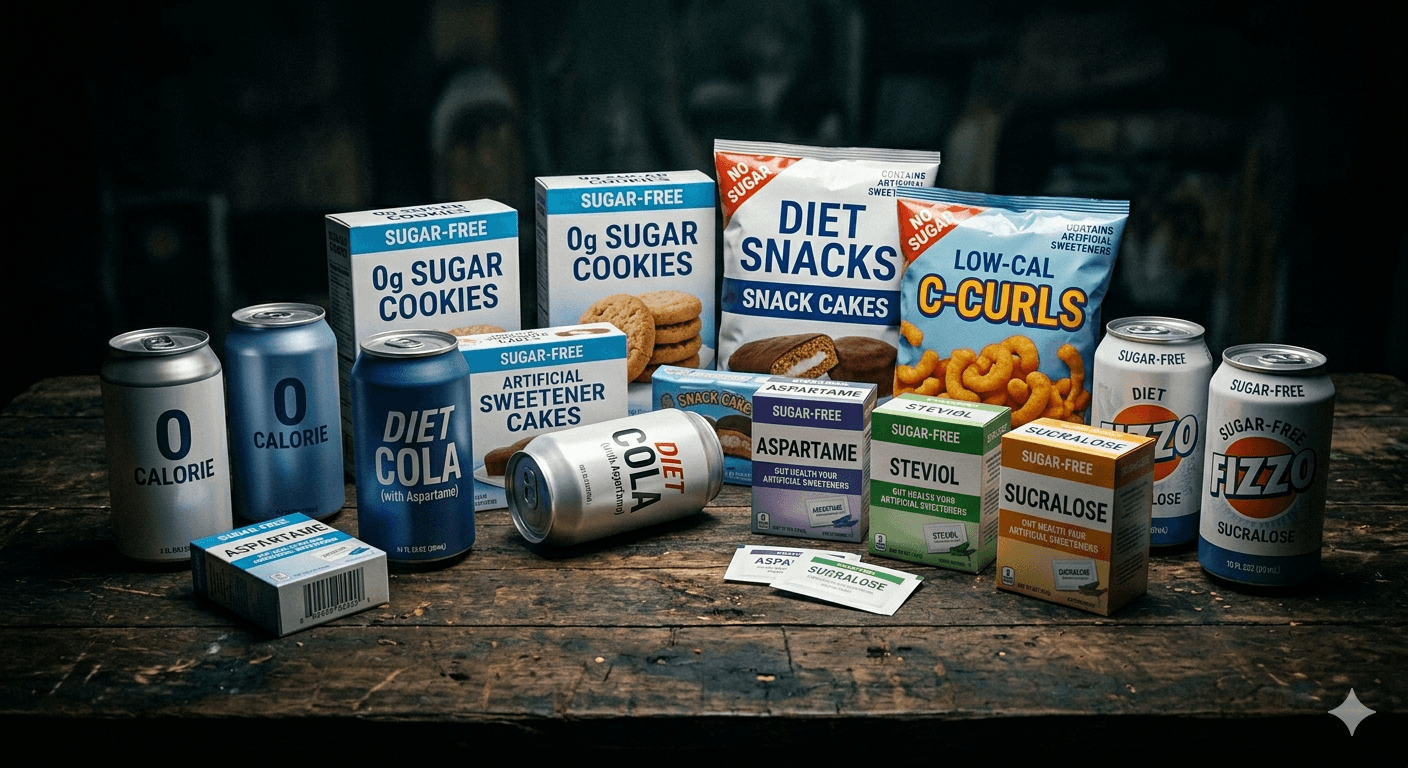
Artificial Sweeteners
The 'zero calorie' trap
Sucralose, aspartame, saccharin, and acesulfame-K were supposed to be the safe alternative to sugar. The gut bacteria did not get that memo. Multiple studies show these compounds alter the composition of gut microbiota, reduce beneficial bacteria populations, and impair glucose tolerance — ironically, the exact thing they were meant to prevent.
🔬 A 2022 Cell study found that common artificial sweeteners like sucralose and saccharin significantly altered gut microbiome composition and induced glucose intolerance in healthy adults within just two weeks.
Found in diet sodas, protein bars, sugar-free yogurts, chewing gum, and most 'low calorie' packaged foods.
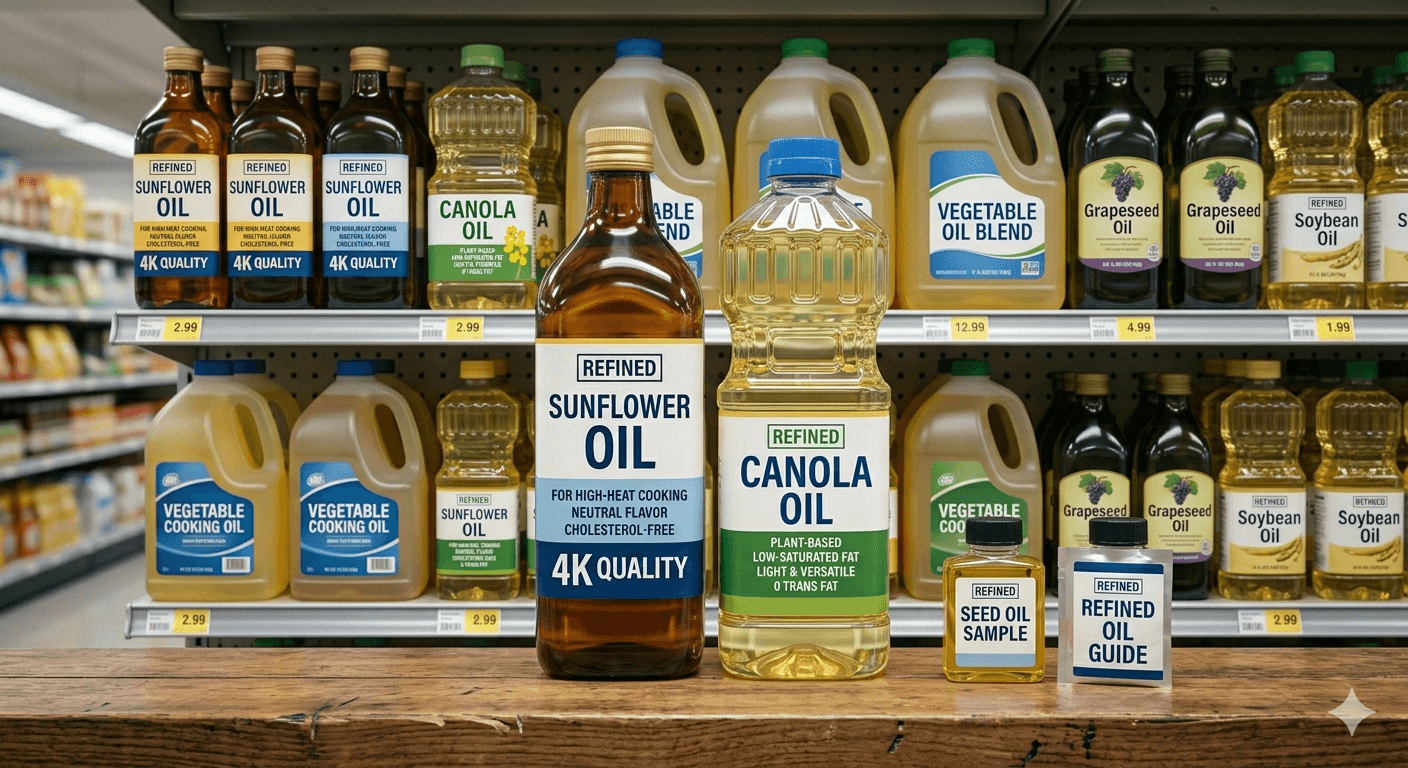
Refined Seed & Vegetable Oils
The inflammation machine
Soybean oil, corn oil, sunflower oil, and canola oil are extraordinarily high in omega-6 fatty acids. The problem is not omega-6 per se — it is the ratio. Modern diets have flipped the omega-6 to omega-3 ratio from the ancestral 4:1 to something closer to 20:1. This chronic imbalance drives systemic inflammation, which directly impairs gut barrier function and disrupts the microbiome.
🔬 Research shows high omega-6 intake promotes the growth of pro-inflammatory gut bacteria and reduces populations of anti-inflammatory species like Lactobacillus and Bifidobacterium.
Found in nearly all restaurant food, fast food, packaged snacks, store-bought salad dressings, and most processed foods.

Alcohol (Especially in Excess)
The gut lining eroder
Alcohol is directly toxic to intestinal cells. Even moderate drinking increases intestinal permeability — the condition popularly known as 'leaky gut' — allowing bacterial endotoxins to seep into the bloodstream and trigger body-wide inflammation. Regular alcohol use also dramatically reduces microbial diversity and kills off beneficial Lactobacillus species.
🔬 Studies show that chronic alcohol consumption reduces gut microbiome diversity by up to 30% and increases intestinal permeability markers within days of regular use.
Wine, beer, spirits — all affect the gut similarly. The damage correlates with quantity and frequency.
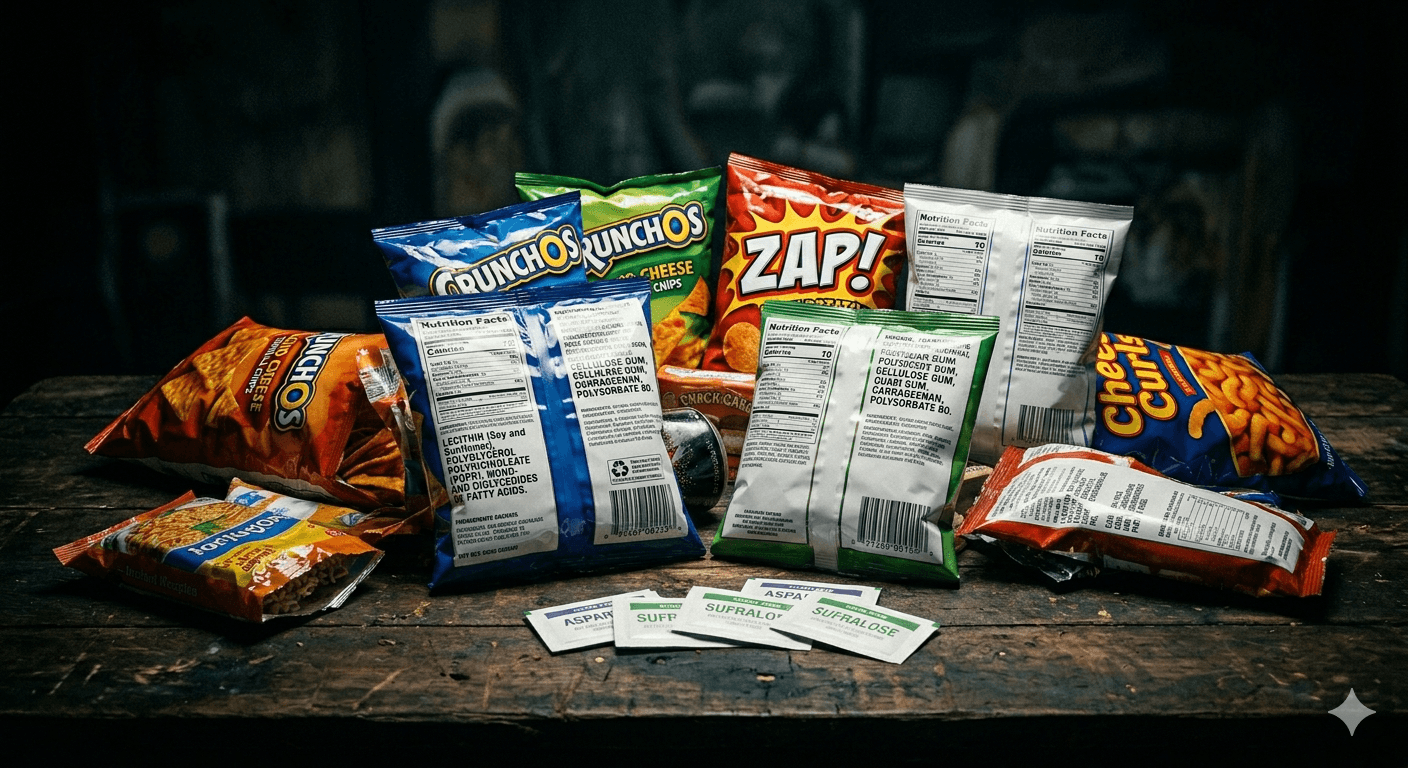
Emulsifiers in Ultra-Processed Foods
The hidden disruptors
Carboxymethylcellulose (CMC) and polysorbate-80 are emulsifiers added to processed foods to improve texture and shelf life. They sound innocuous. They are not. Animal studies — and now human trials — show these compounds literally degrade the protective mucus layer lining the gut, allowing bacteria to come into direct contact with intestinal cells. The result: chronic low-grade inflammation and increased colorectal cancer risk.
🔬 A landmark 2015 Nature study showed that dietary emulsifiers at doses comparable to human consumption promoted intestinal inflammation and metabolic syndrome in mice. Human follow-up studies have confirmed these effects.
Check ingredient labels for polysorbate 80, carboxymethylcellulose, carrageenan, and modified food starch in ice cream, salad dressings, non-dairy milks, and baked goods.
Gluten (For Sensitive Individuals)
Not a problem for everyone — but a serious one for many
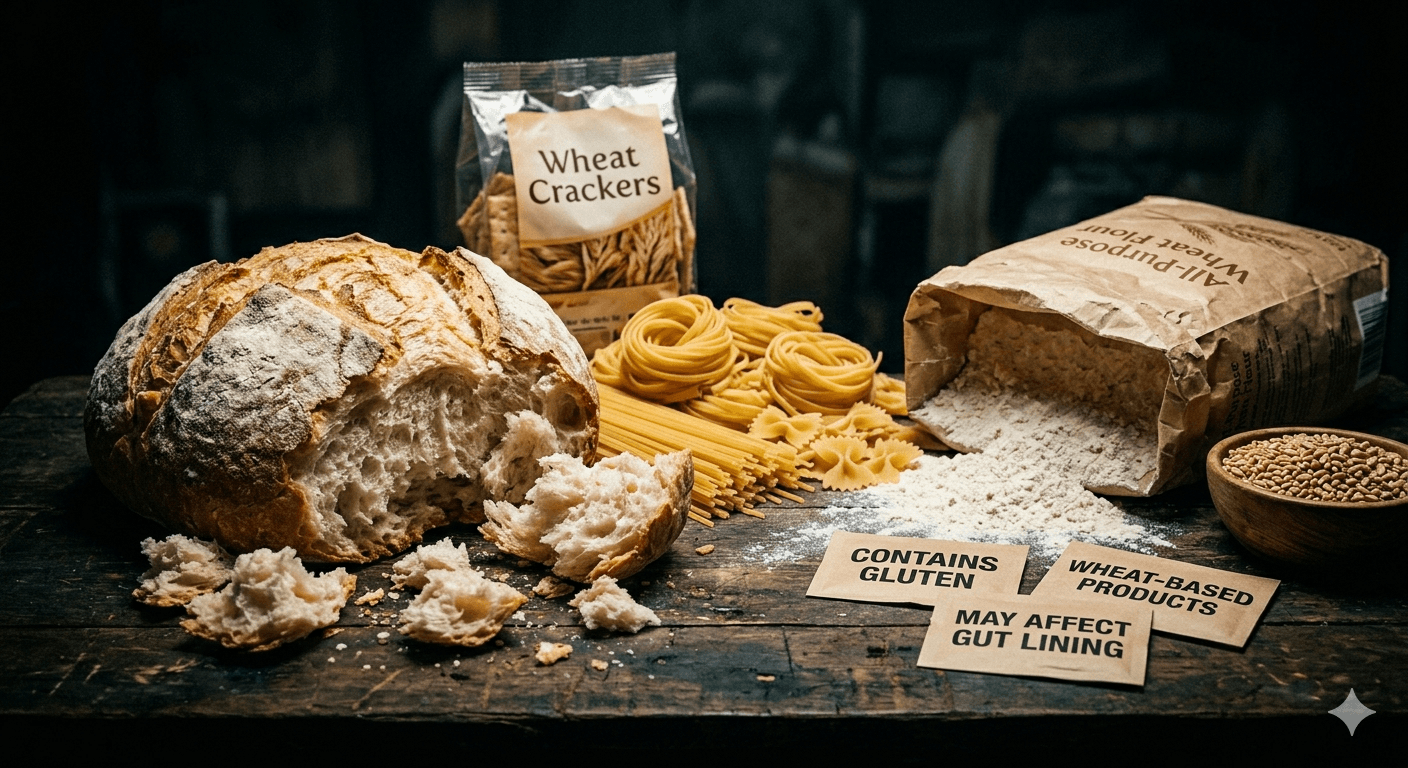
This one is nuanced. For people with celiac disease or non-celiac gluten sensitivity (which may affect up to 13% of the population), gluten triggers an immune response that damages intestinal villi and dramatically increases gut permeability. Even in people without diagnosed sensitivity, modern highly-processed wheat products often cause digestive discomfort due to their altered protein structures.
🔬 Research shows that gliadin — a component of gluten — triggers the release of zonulin, a protein that loosens tight junctions in the gut lining, increasing permeability even in people without celiac disease.
White bread, pasta, crackers, pastries, beer, and most packaged baked goods. Sourdough fermentation partially breaks down gluten and is better tolerated by many.
Added Sugar (In Large Amounts)
Feeding the wrong bacteria
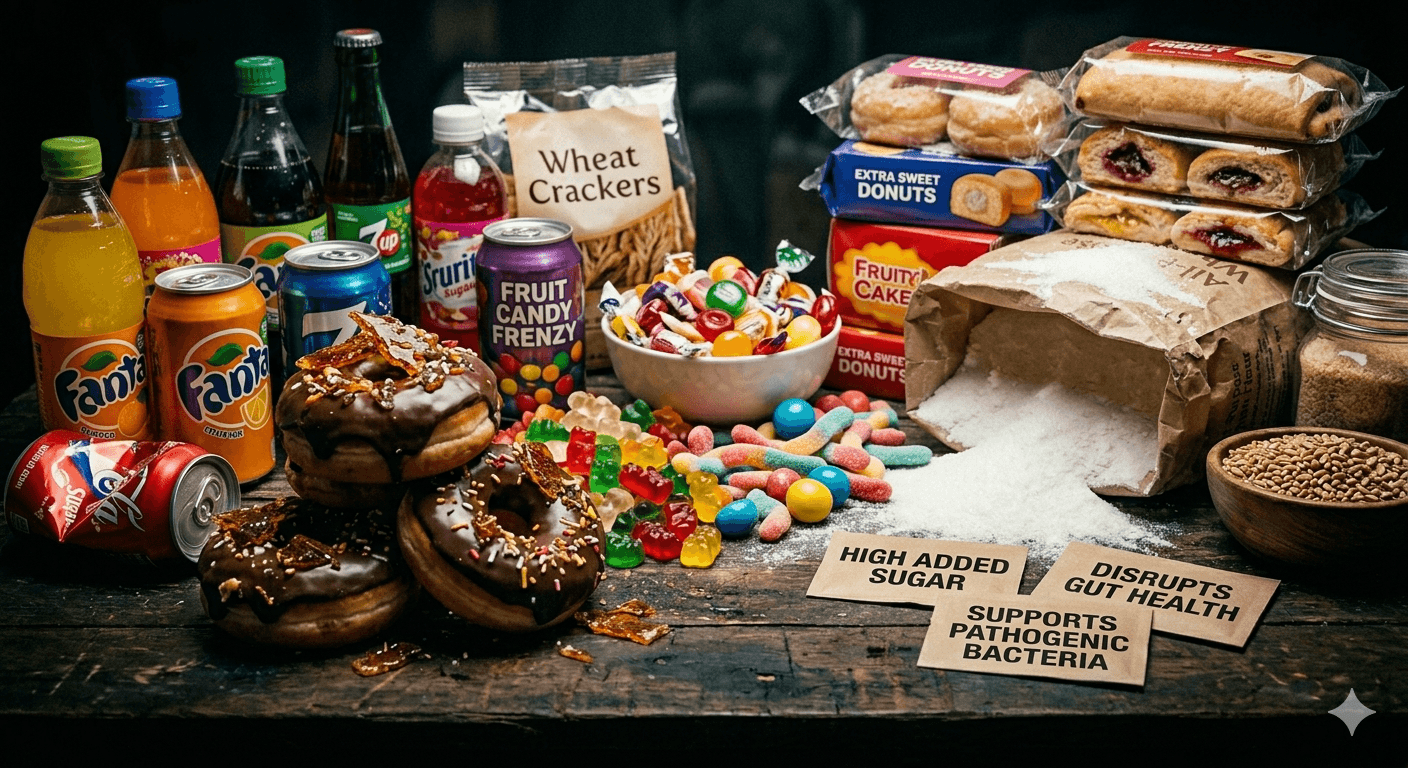
Sugar is not the devil in small amounts. In the quantities most people consume — averaging 17 teaspoons per day in the US — it becomes a serious problem for gut ecology. Excess sugar preferentially feeds pathogenic bacteria and yeast (like Candida), creates an acidic gut environment that inhibits beneficial species, and fuels the overgrowth of pro-inflammatory microbes. The result is a microbiome tipped out of balance.
🔬 Studies show high sugar intake is associated with reduced populations of Bifidobacterium and Lactobacillus species and increased levels of gut inflammation markers like lipopolysaccharide (LPS).
Sugary drinks are the fastest path to gut dysbiosis — they deliver sugar rapidly without fiber or fat to slow absorption. Watch for fructose corn syrup in unexpected places.
Antibiotic-Treated Meat
The stealth microbiome threat
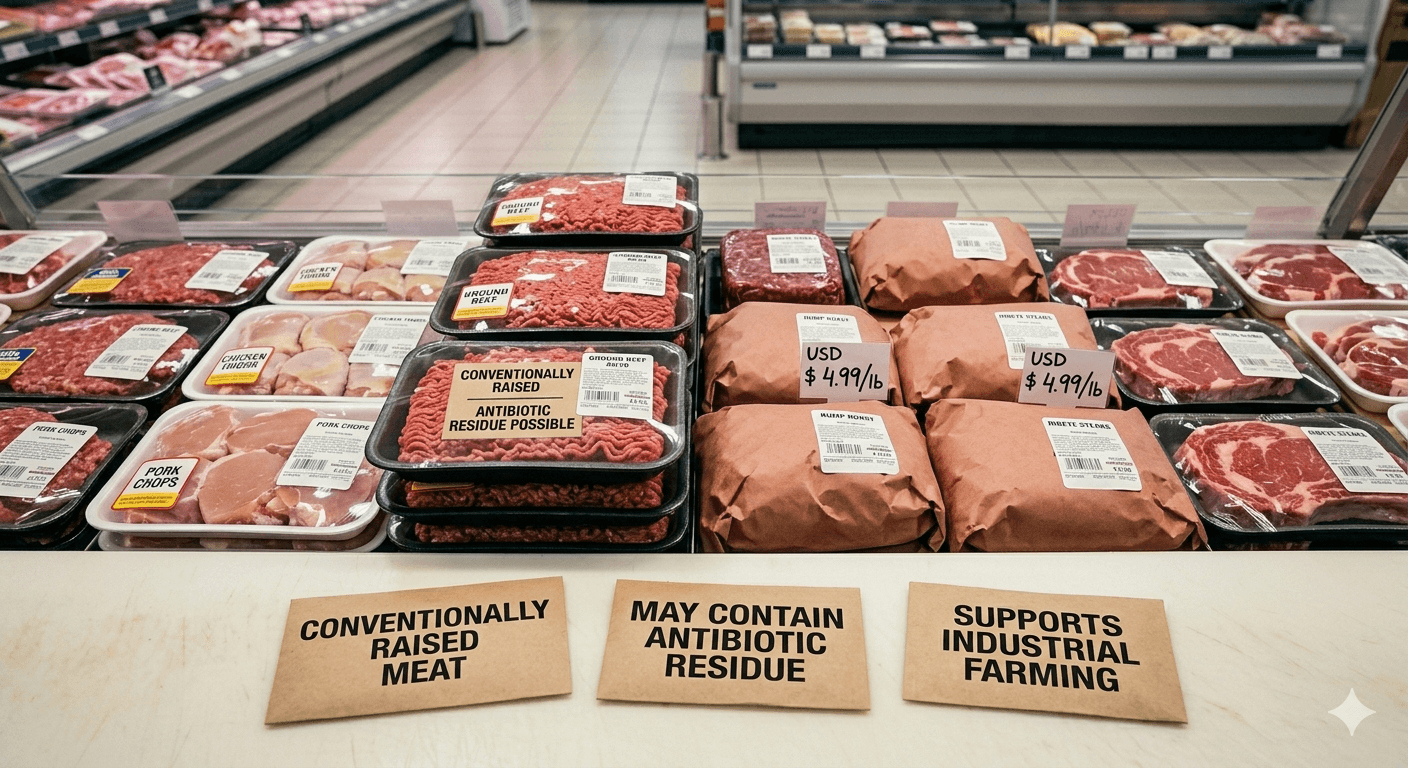
Over 70% of antibiotics used globally are administered to livestock, not humans. When you eat conventionally raised meat, you consume trace antibiotic residues and — more problematically — antibiotic-resistant bacteria. These resistant strains can take up residence in your gut, crowd out beneficial species, and contribute to the growing crisis of antibiotic resistance in human medicine.
🔬 Research published in the journal mBio found that people who regularly consume conventionally raised meat carry significantly higher loads of antibiotic-resistant gut bacteria compared to those eating organic or grass-fed animal products.
Conventional chicken, pork, and farmed fish are the highest-risk categories. Look for organic, grass-fed, or certified antibiotic-free labels.
Chlorinated Tap Water (In Some Regions)
Killing the good with the bad
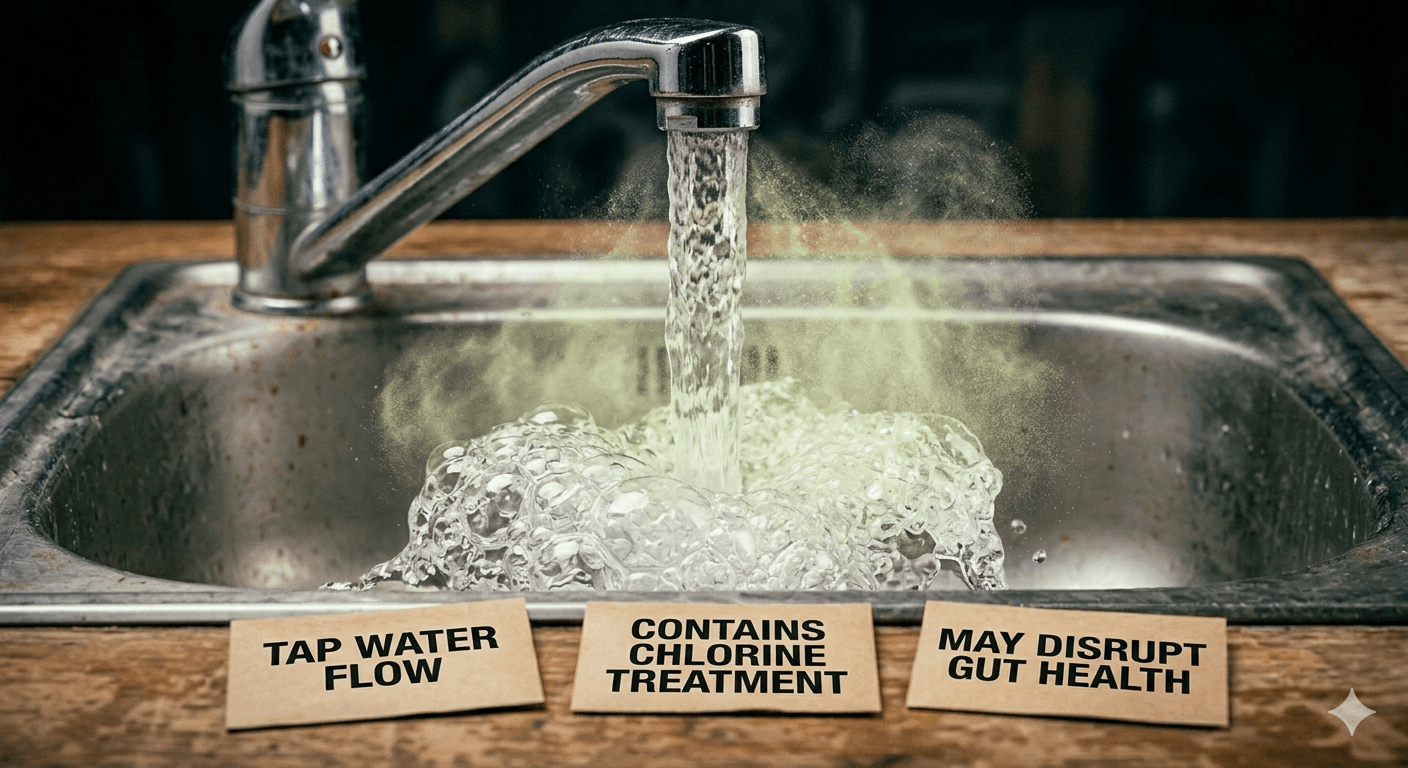
Chlorine in tap water is essential for killing pathogenic bacteria in public water supplies. The problem is that chlorine is not selective — it also kills beneficial gut bacteria when consumed regularly. This is not a call to stop drinking tap water, but it is worth understanding that regular chlorinated water consumption may contribute to reduced microbial diversity over time, particularly in regions with high chlorination levels.
🔬 Studies show chlorinated water reduces populations of Lactobacillus and other beneficial gut species. Filtered water or allowing tap water to sit uncovered for 30 minutes allows chlorine to dissipate.
This varies significantly by location. If your tap water is heavily chlorinated, a simple carbon filter (like Brita) removes chlorine effectively.
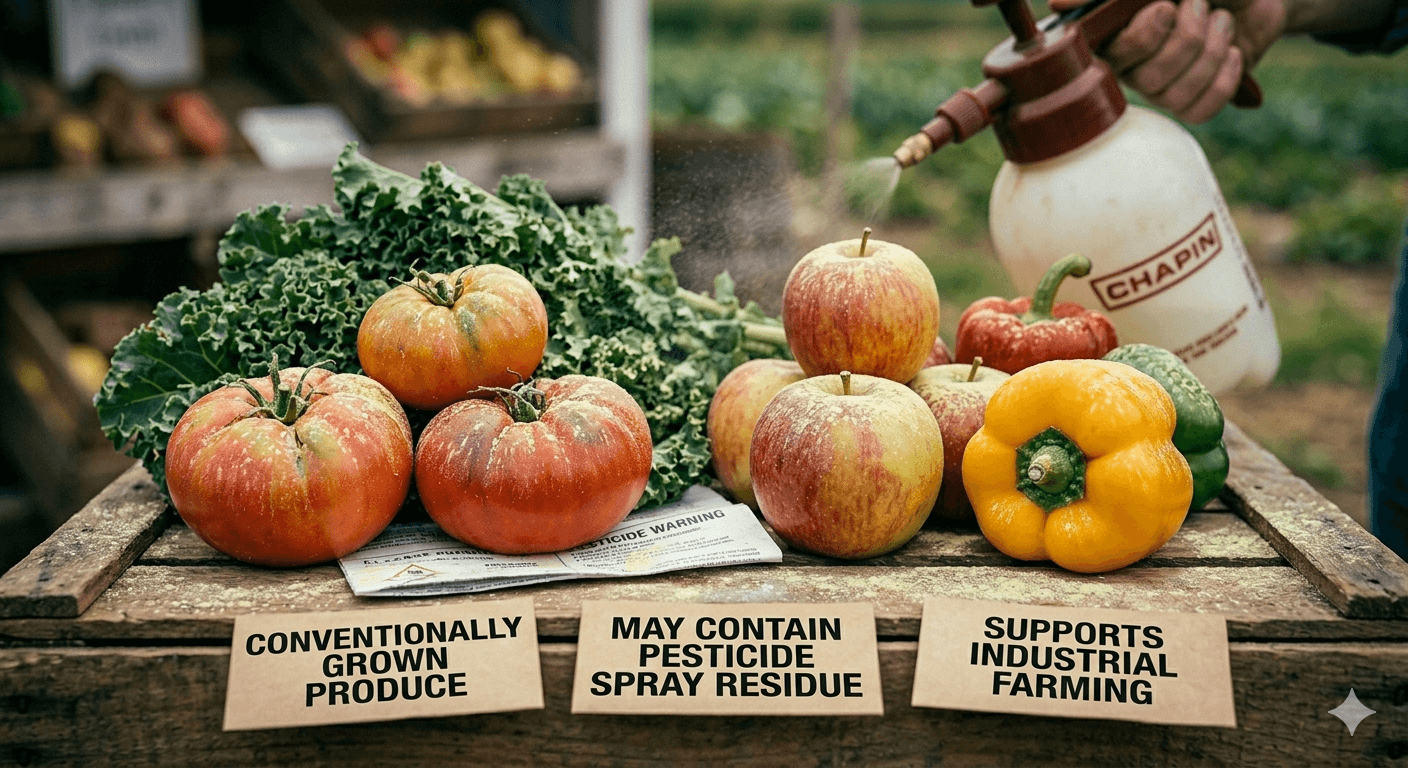
Non-Organic Produce (Pesticide Residues)
The microbiome-disrupting sprays
Glyphosate — the world's most widely used herbicide — was designed to kill bacteria. Specifically, it inhibits the shikimate pathway found in plants and many microorganisms, including human gut bacteria. The evidence linking glyphosate exposure to gut microbiome disruption is growing and increasingly hard to dismiss, particularly for the 'dirty dozen' fruits and vegetables with the highest residue loads.
🔬 Research shows glyphosate exposure reduces populations of beneficial gut bacteria including Lactobacillus, Bifidobacterium, and Enterococcus while promoting the growth of pathogenic Clostridium species.
The EWG's 'Dirty Dozen' list identifies the highest-pesticide produce. Strawberries, spinach, kale, peaches, and apples consistently rank highest. Buy these organic when possible.
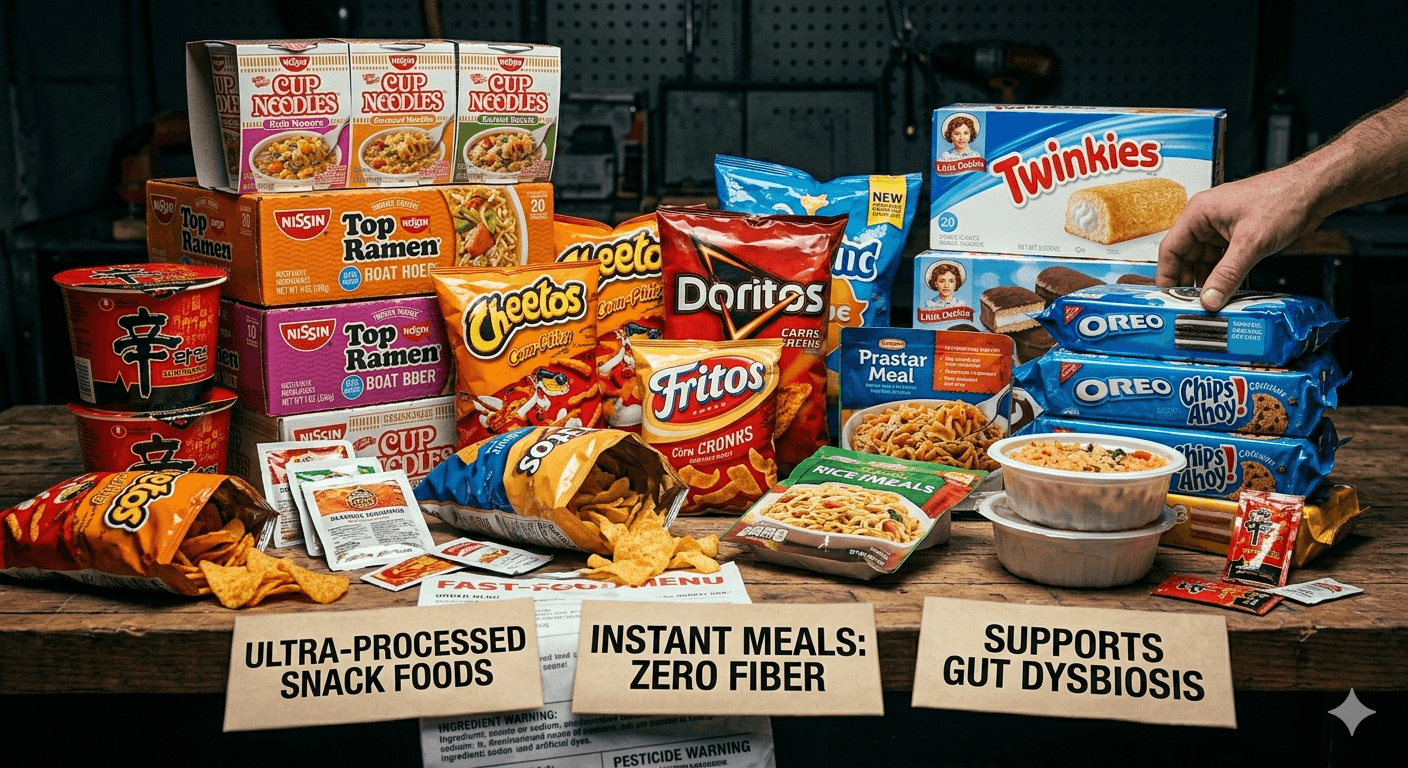
Low-Fiber Ultra-Processed Foods
Starving your microbiome
This is perhaps the most insidious entry on this list. Ultra-processed foods — chips, white bread, instant noodles, packaged pastries — are not just nutritionally empty. They actively starve your gut bacteria. Without fiber to ferment, beneficial bacteria populations shrink, SCFA production drops, the gut lining thins, and the immune system loses critical support. A microbiome without fiber is like a garden without water.
🔬 A 2021 Cell study found that a diet high in ultra-processed foods reduced microbial diversity and altered microbiome composition within just one week — and that fermented foods reversed these effects faster than a high-fiber diet alone.
The processing level matters as much as the ingredients. Even if individual ingredients seem okay, ultra-processing strips out fiber, alters food structure, and adds gut-disrupting additives.
What to Do Instead
Cutting these foods is only half the equation. Here is what actually rebuilds a damaged gut:
Add Fermented Foods Daily
Yogurt with live cultures, kefir, kimchi, sauerkraut, kombucha, and miso directly introduce beneficial bacteria into the gut. The 2021 Stanford study found fermented foods outperformed high-fiber diets for increasing microbial diversity. Even a small daily serving makes a measurable difference.
Eat the Rainbow of Plants
Aim for 30 different plant foods per week — a benchmark from the American Gut Project linked to significantly higher microbiome diversity. This does not mean 30 full servings. A handful of mixed seeds, a garnish of fresh herbs, a different vegetable than yesterday all count.
Prioritize Polyphenol-Rich Foods
Polyphenols are plant compounds that act as prebiotic fuel and antioxidants. Dark berries, dark chocolate (85%+), green tea, extra-virgin olive oil, and pomegranate are among the most potent. They selectively feed beneficial bacteria and reduce gut inflammation.
Consider a Temporary Elimination
If your gut symptoms are significant, removing the highest-impact items from this list for 4-6 weeks — particularly artificial sweeteners, seed oils, and emulsifiers — can give the microbiome enough space to partially recover. Reintroduce one at a time to identify your personal triggers.
Gut Health Questions, Honestly Answered
Can gut damage be reversed?
Yes — to a significant degree. The gut microbiome is remarkably plastic. Studies show meaningful improvements in microbial diversity and gut barrier function within 4-8 weeks of dietary changes. The faster wins come from adding fermented foods and fiber; the slower but deeper wins come from eliminating the chronic offenders on this list.
Are all ultra-processed foods equally bad for the gut?
No. Processing exists on a spectrum. The most damaging are those combining emulsifiers, artificial sweeteners, refined oils, and zero fiber — think diet sodas, processed meat, and packaged pastries. Minimally processed foods like canned legumes, frozen vegetables, or natural nut butters are in a completely different category.
Is dairy bad for gut health?
It depends entirely on the type and the person. Fermented dairy (yogurt, kefir, aged cheese) is among the best-studied gut-supportive foods. Conventional, non-fermented dairy in large amounts can be problematic for those with lactose sensitivity. The fermenting process is what matters most.
Should I take a probiotic supplement?
Probiotic supplements can be useful for specific conditions (like antibiotic recovery), but the research on general supplementation is mixed. Most probiotic strains do not permanently colonize the gut — they pass through. Fermented foods, which contain a diverse array of live cultures plus prebiotic fiber, tend to have more lasting impact than isolated probiotic capsules.
How quickly does diet affect the gut microbiome?
Faster than most people realize. Studies show measurable changes in microbiome composition within 24-48 hours of significant dietary shifts. The bad news: the microbiome responds to bad inputs just as quickly. The good news: the window for positive change opens every single time you eat.
Is red meat bad for gut health?
Context matters enormously. Conventionally raised red meat eaten in large quantities is associated with gut microbiome disruption and colorectal cancer risk. Grass-fed red meat in moderate amounts — two to three times per week — has a far more neutral gut profile. The method of preparation also matters: charred, processed, or cured meats are significantly more problematic than simply cooked whole cuts.
Keep Reading
Tags
Reviewed by Myrth Evidence Review
Editorial review for accuracy, sourcing, and medical-advice boundaries. We focus on clear, practical health and nutrition content grounded in established evidence and written for everyday decisions.
Sources
- Probiotics Fact Sheet for Health Professionals - NIH Office of Dietary Supplements
- Fiber - Harvard T.H. Chan School of Public Health
Get our weekly digest
One well-researched health or nutrition article per week. No spam.