How to Sleep Better Naturally: 12 Habits That Improve Deep Sleep
A practical, science-backed guide to improving deep sleep naturally with circadian rhythm habits, a calmer wind-down routine, better bedroom cues, and smarter evening choices.
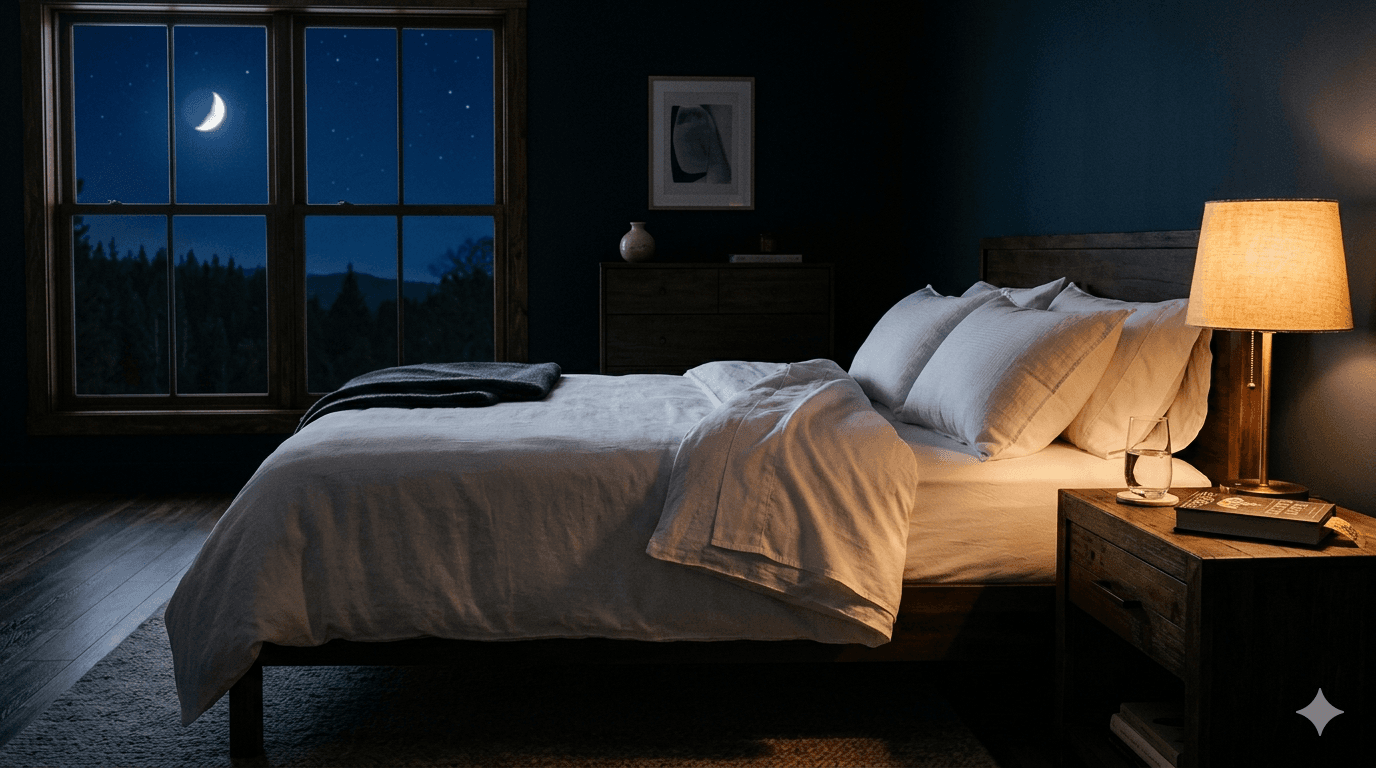
How to Sleep Better Naturally: 12 Habits That Improve Deep Sleep
The science of sleep has advanced dramatically — and the best interventions cost nothing. Here are 12 evidence-backed habits that genuinely transform the quality of your rest
We are living through a global sleep crisis. More than one billion people worldwide are chronically sleep-deprived — and the consequences reach far beyond feeling tired. Poor sleep is now firmly linked to accelerated cognitive decline, metabolic dysfunction, immune suppression, mood disorders, and significantly shortened lifespan. The modern world is not designed for good sleep: artificial light after dark, chronic stress, late-night screens, and irregular schedules have systematically dismantled the sleep architecture humans evolved over millions of years.
The good news is that sleep is highly responsive to behaviour. You do not need medication to sleep deeply — you need the right habits, applied consistently. Every intervention on this list is rooted in peer-reviewed research. Some will show results in a single night. Others build slowly into a permanent transformation of how you sleep. Start with whichever resonates most, and stack from there.
12 Habits That Scientifically Improve Deep Sleep
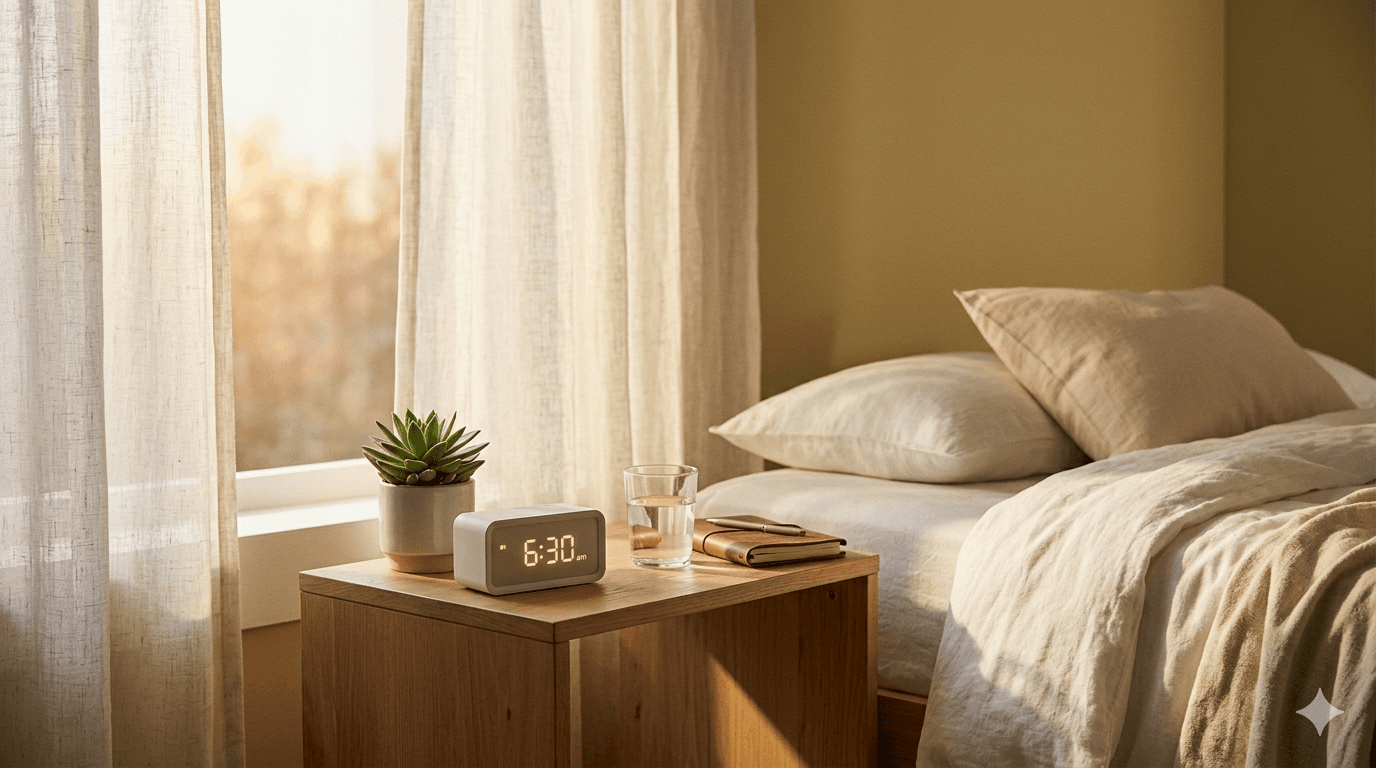
Anchor Your Wake Time — Not Just Your Bedtime
Most sleep advice focuses on when you go to bed. Science says the anchor that matters most is when you wake up. Your suprachiasmatic nucleus — the brain's master circadian clock — is reset primarily by morning light received shortly after waking. When your wake time is consistent (within 30 minutes daily, including weekends), your entire circadian rhythm locks into a stable pattern: melatonin rises at the right time, core body temperature drops at the right time, and you feel genuinely sleepy when you should. Irregular wake times — especially sleeping in on weekends — create 'social jetlag' that takes days to recover from. Pick a wake time you can sustain seven days a week and commit to it for 14 days. The transformation in sleep quality is often dramatic.
Get Bright Light in Your Eyes Within 30 Minutes of Waking
Light is the primary zeitgeber — the environmental time-giver — for the human circadian system. When bright light (ideally 10,000 lux of natural outdoor light, or at minimum 1,000 lux near a bright window) hits your retinal photoreceptors in the morning, it triggers a cascade: cortisol peaks appropriately for alertness, and the biological timer that governs melatonin release is set precisely. This means melatonin will rise at exactly the right time in the evening, making you genuinely sleepy when you want to be. Dr. Andrew Huberman's research at Stanford found that even 2–10 minutes of morning outdoor light exposure reliably improves nighttime sleep. On cloudy days, go outside anyway — overcast outdoor light is still 10–50x brighter than indoor lighting.
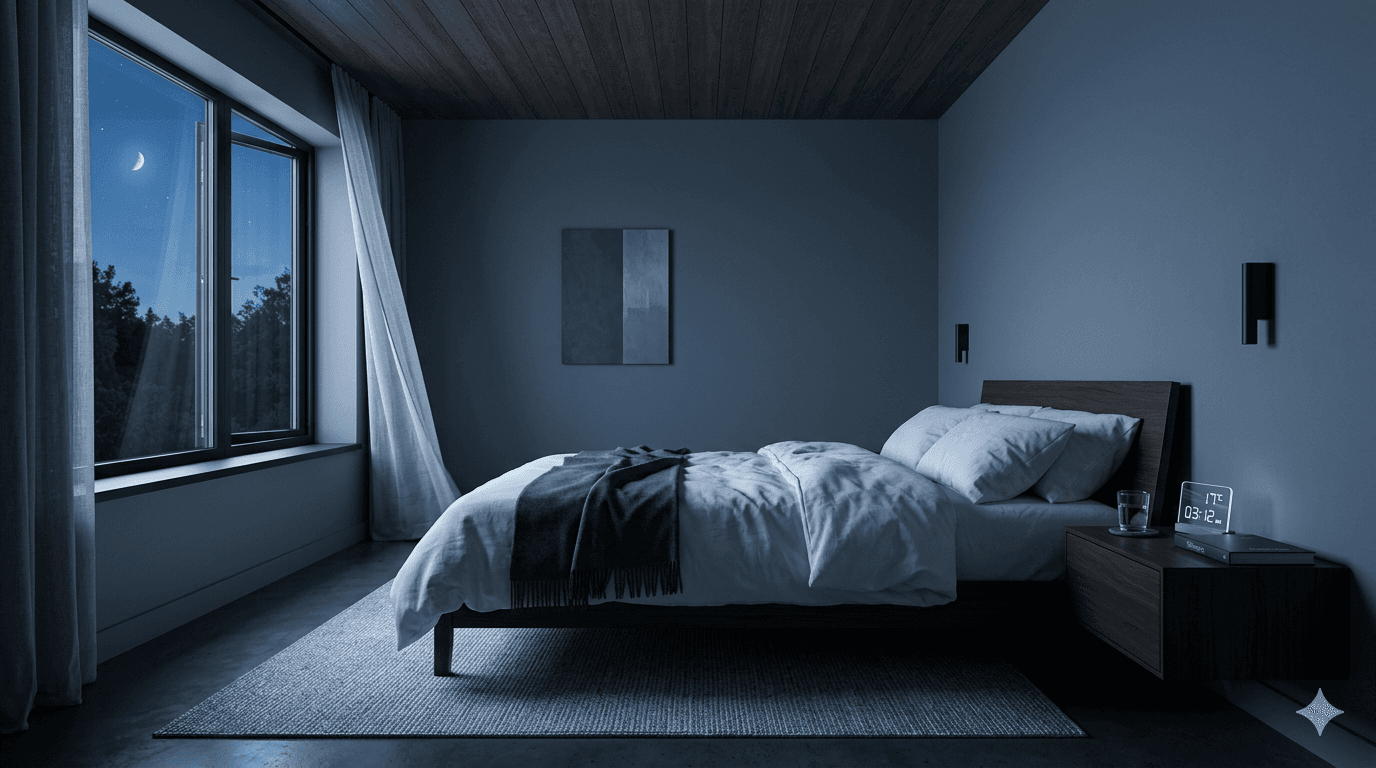
Keep Your Bedroom Below 18°C (65°F)
Core body temperature must drop by approximately 1–2°C (2–3°F) to initiate and sustain sleep. This is not optional — it is a hard biological requirement. Your body sheds heat through the skin of your hands, feet, and face, which is why keeping these areas uncovered can help significantly. The optimal bedroom temperature for deep sleep is 15–19°C (60–67°F). Research from UC Berkeley found that even modest increases in bedroom temperature significantly reduced slow-wave (deep) sleep and REM sleep. If you cannot control your room temperature, consider a cooling mattress pad, bamboo or moisture-wicking bedding, a fan directed at the bed, or a warm shower before bed (which paradoxically cools core temperature via peripheral vasodilation). Even a 1°C reduction in bedroom temperature measurably increases deep sleep percentage.
Cut Off Caffeine Before 1pm
Caffeine works by blocking adenosine receptors in the brain. Adenosine is the 'sleep pressure' molecule that accumulates the longer you are awake — it is what makes you feel progressively sleepier throughout the day. By blocking adenosine, caffeine masks this sleep pressure without eliminating it. When caffeine clears, the backlog of adenosine hits all at once — which is why you can feel a sudden crash. More critically, caffeine consumed after midday has a measurable impact on sleep architecture even when you fall asleep normally. A 2013 study in the Journal of Clinical Sleep Medicine found that caffeine consumed 6 hours before bed reduced total sleep time by more than one hour. Move your last coffee to before 1pm (noon for caffeine-sensitive people) for 14 days and track the difference in your sleep depth.
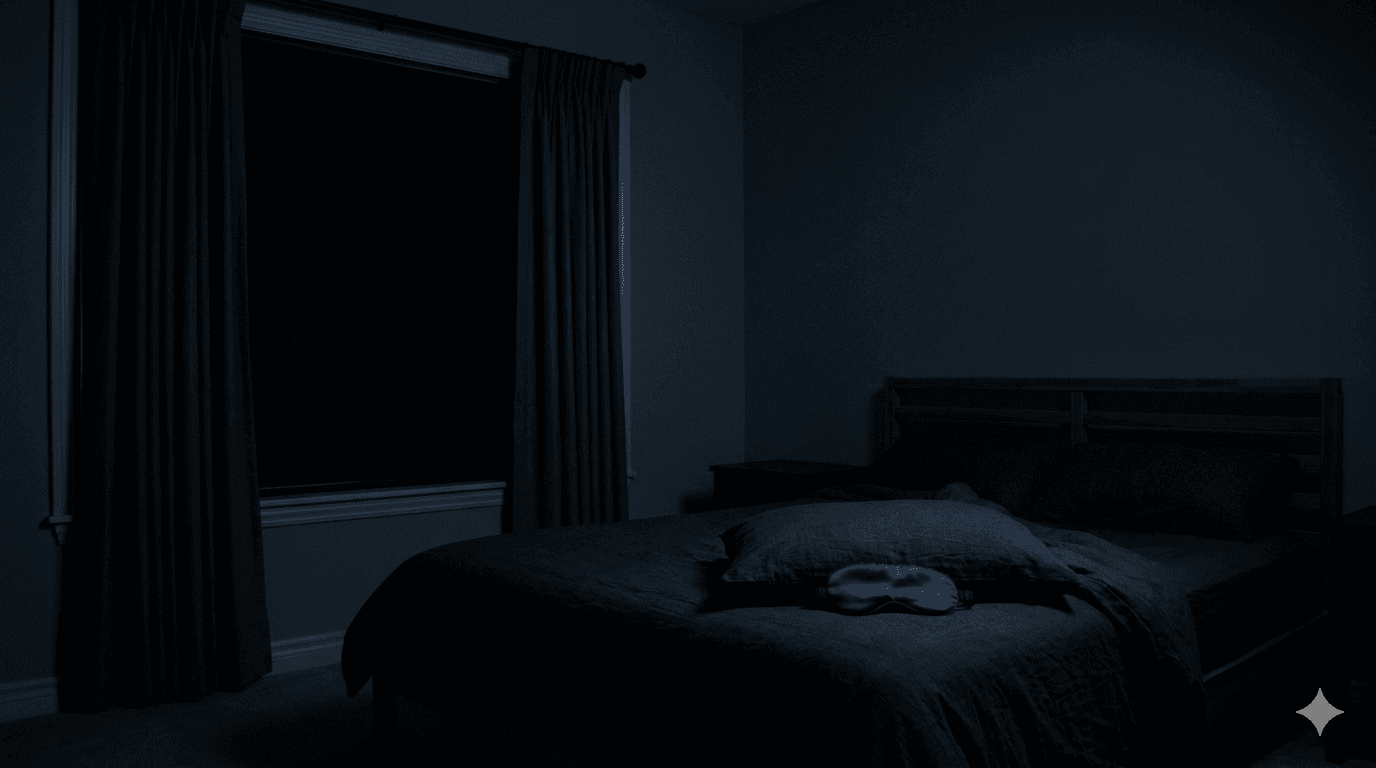
Make Your Bedroom Completely Dark
The human body has photoreceptors not just in the eyes, but in the skin. Even small amounts of light during sleep — a glowing phone charger, a streetlight through thin curtains, the standby light on a TV — can measurably suppress melatonin and reduce sleep quality. A study published in JAMA Internal Medicine found that exposure to even low levels of light during sleep was associated with higher rates of obesity, diabetes, and cardiovascular disease compared to sleeping in darkness. Blackout curtains are one of the highest-ROI sleep investments available. If blackout curtains are not possible, a high-quality sleep mask that does not press against the eyelids is equally effective. Cover or remove all light-emitting devices in the bedroom. The goal is complete, total darkness — the kind where you cannot see your hand in front of your face.
Do Resistance Training — But Not After 7pm
Exercise is one of the most powerful tools for improving sleep quality — particularly deep, slow-wave sleep. Resistance training (weightlifting, bodyweight exercise) generates the largest increase in growth hormone during subsequent slow-wave sleep, creating a virtuous cycle: better workouts drive deeper sleep, deeper sleep drives better recovery and hormonal health. Even a 30-minute walk has measurable positive effects on sleep quality. The timing caveat is real but overstated: most people can exercise up to 4–5 hours before bed without disruption. The critical window to avoid is within 2–3 hours of your intended sleep time, when elevated core temperature and cortisol from vigorous exercise compete directly with sleep onset. Morning or early afternoon exercise is optimal — it also delivers light exposure benefits simultaneously.
Stop Eating 3 Hours Before Bed
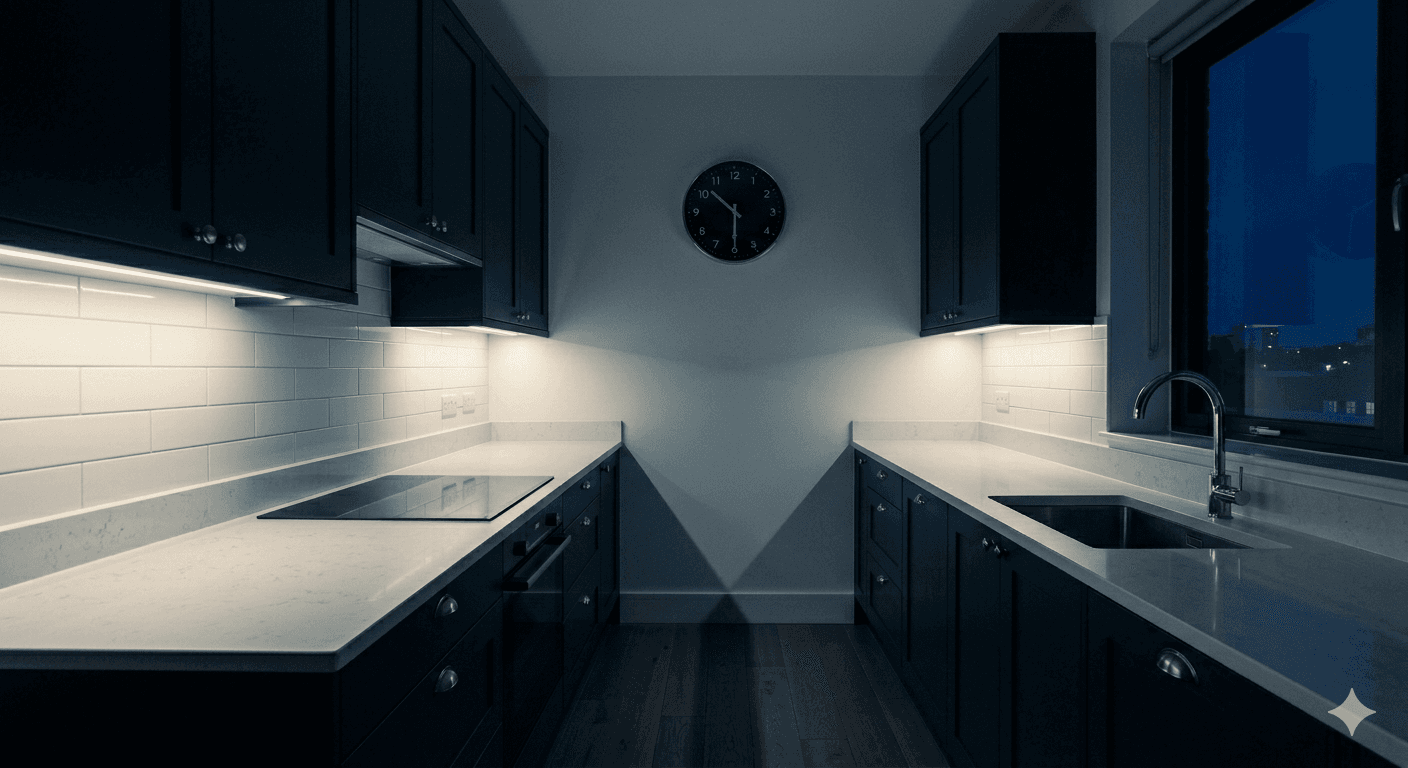
Digestion is an actively thermogenic process — your core body temperature rises as your digestive system processes food. Since sleep initiation requires a drop in core body temperature, eating late directly competes with sleep onset. Late-night eating also elevates insulin and suppresses growth hormone secretion — both of which reduce deep sleep quality. A study in the American Journal of Clinical Nutrition found that subjects who ate their last meal 4+ hours before bed had significantly better sleep architecture than those who ate 1–2 hours before. If you are genuinely hungry before bed, a small protein-rich snack (Greek yogurt, a handful of nuts, cottage cheese) is far less disruptive than carbohydrate-heavy foods, and tryptophan-rich foods may even promote serotonin and melatonin production. But in general, the earlier you finish eating, the better you will sleep.
Take a Warm Shower or Bath 1–2 Hours Before Bed
This is one of the most counterintuitive — and consistently supported — sleep interventions in the research literature. A warm shower or bath (40–42°C / 104–108°F) for 10–15 minutes, taken 1–2 hours before bed, reliably accelerates sleep onset. The mechanism is elegant: warm water draws blood to the skin surface, and when you step out of the shower, rapid heat dissipation from the skin causes a steep drop in core body temperature. This temperature drop mimics the natural cooling that triggers sleep onset and signals the brain to begin the sleep transition. A meta-analysis published in Sleep Medicine Reviews analysed 5,322 studies and confirmed that warm pre-sleep bathing reduced the time to fall asleep by an average of 36 minutes. The timing window — 1 to 2 hours before bed — is important; showering immediately before bed does not give the cooling effect time to develop.
Eliminate Phones from the Bedroom Entirely
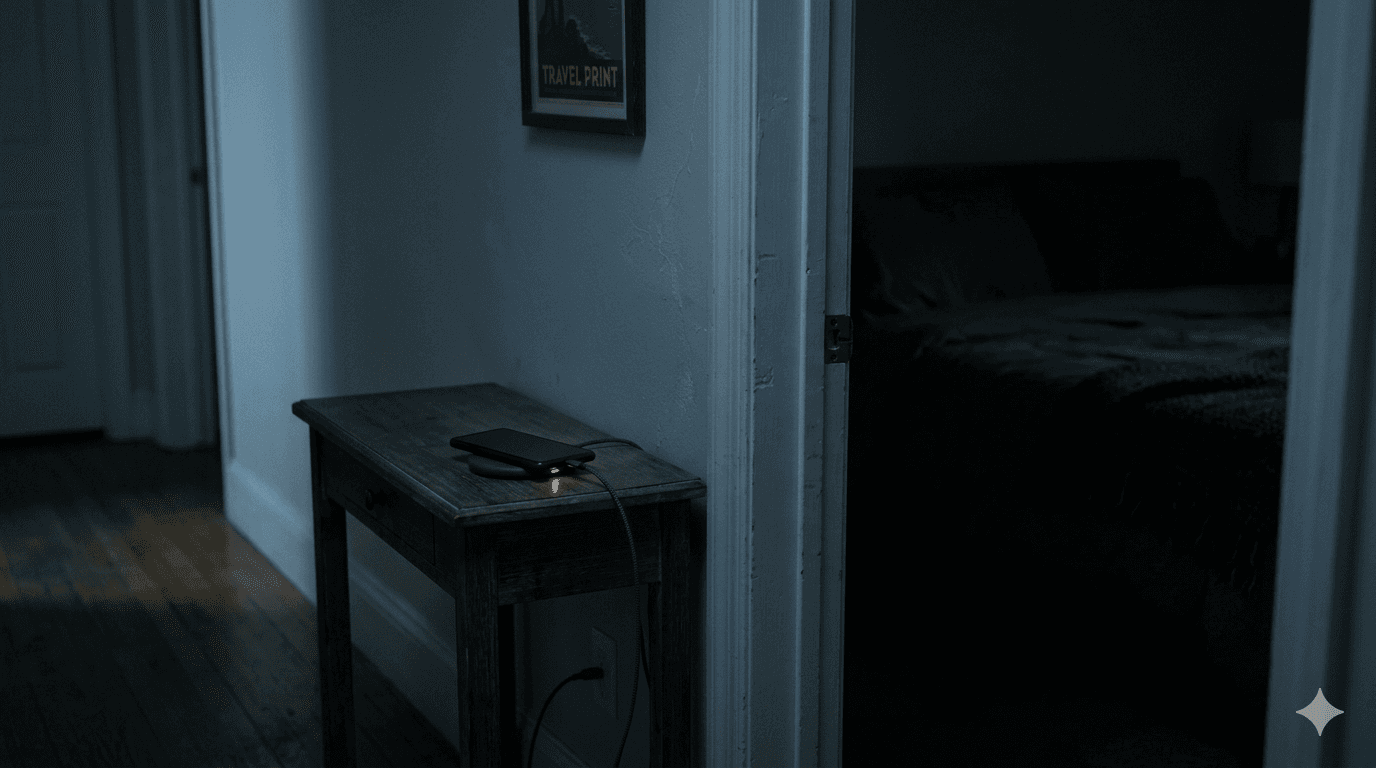
The bedroom phone is perhaps the single most damaging modern sleep habit — and not primarily for the reasons people assume. Yes, blue light from screens suppresses melatonin. But the larger problem is psychological arousal: checking messages, social media, or news content activates the brain's threat and reward circuits, elevating cortisol and dopamine at exactly the time the nervous system needs to downregulate. Research from the Sleep Foundation found that people who use phones in bed take significantly longer to fall asleep and report substantially worse sleep quality. The solution is binary: the phone lives outside the bedroom, charged in another room. If you use your phone as an alarm, buy a $10 alarm clock. The quality of your sleep — and the quality of your mornings — will change measurably within a week.
Use Your Bed Only for Sleep (and Sex)
Stimulus control is one of the most validated behavioural interventions for insomnia in clinical psychology. The principle: your brain builds associations between environments and mental states. If you work, eat, watch TV, scroll your phone, or lie awake worrying in bed, your brain learns to associate the bed with wakefulness and arousal — not sleep. This is how chronic insomnia develops and self-perpetuates. The corrective is strict: the bed is for sleep (and intimacy) only. If you are in bed and cannot sleep after 20 minutes, get up and do something calm in low light until you feel sleepy, then return. Initially this feels uncomfortable. After 2–3 weeks, the bed becomes a powerful conditioned cue for sleep — people with decades-long insomnia regularly report resolution using this technique alone.
Manage Stress Actively — Sleep Cannot Compete with Cortisol
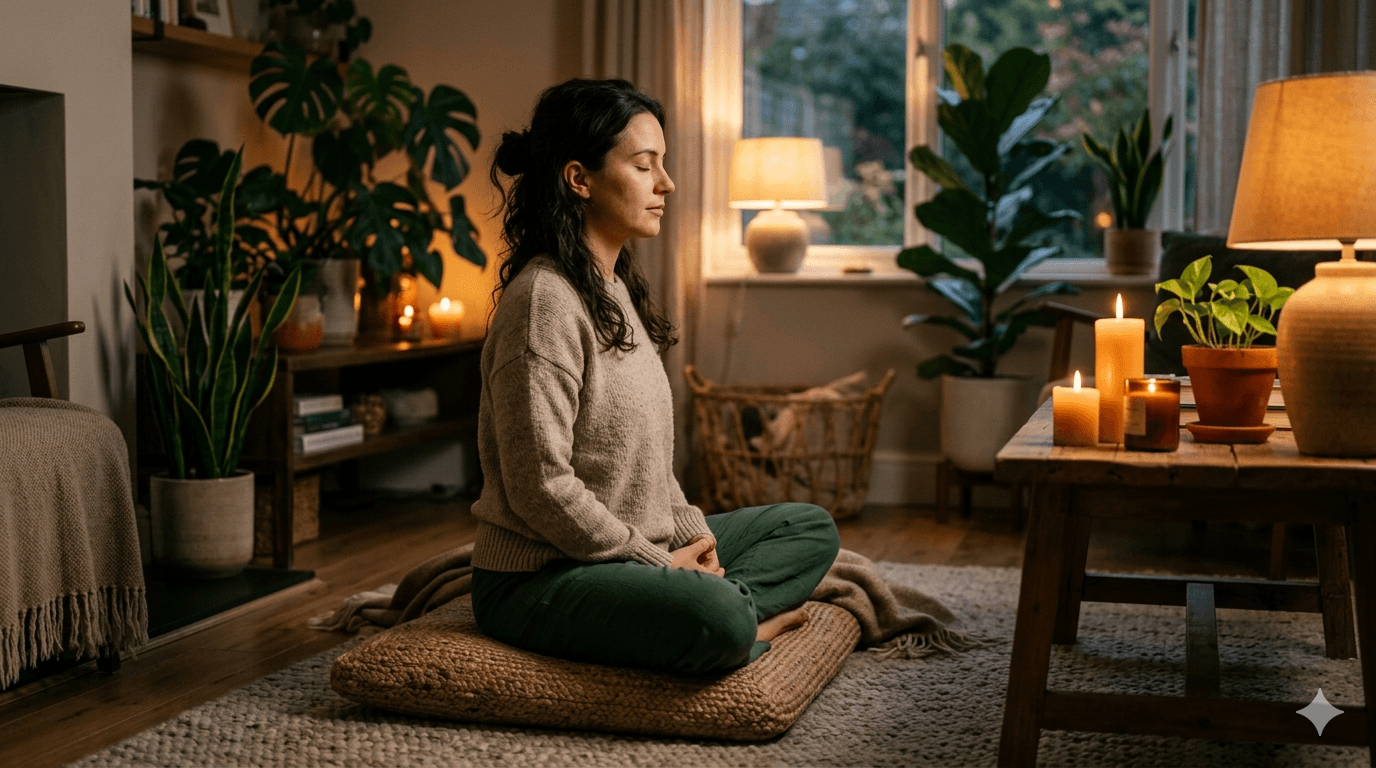
Cortisol and deep sleep are physiologically incompatible. Cortisol — your primary stress hormone — promotes wakefulness, mobilises energy stores, and suppresses the immune functions that occur during deep sleep. Chronic psychological stress maintains elevated evening cortisol levels that directly interfere with the deep sleep your body requires. This is why people under sustained stress often feel exhausted but cannot sleep deeply. Evidence-based stress management practices that measurably improve sleep include: mindfulness meditation (even 10 minutes daily reduces evening cortisol by measurable amounts), expressive writing about worries for 15 minutes before bed (externalises rumination), and progressive muscle relaxation. The 4-7-8 breathing technique — inhale for 4 seconds, hold for 7, exhale for 8 — activates the parasympathetic nervous system within minutes and is one of the fastest physiological interventions for pre-sleep anxiety.
Consider Magnesium Glycinate at Night
Of all the supplements studied for sleep, magnesium glycinate has the strongest and most consistent evidence base. Magnesium is a cofactor in over 300 enzymatic reactions, including the synthesis of melatonin and the activation of GABA receptors — the primary inhibitory neurotransmitter that the nervous system uses to transition into sleep. Magnesium deficiency (which affects an estimated 50–80% of adults in Western countries due to soil depletion and poor diet) is directly associated with insomnia, restless legs, and frequent nighttime waking. Magnesium glycinate is the most bioavailable and gut-friendly form. A typical effective dose is 200–400mg taken 30–60 minutes before bed. It is not a sedative — it does not force sleep — but it removes a biochemical bottleneck that is preventing your nervous system from downregulating naturally. Food sources of magnesium include pumpkin seeds, dark leafy greens, almonds, and dark chocolate.
Why Deep Sleep Matters More Than Total Hours
Not all sleep is equal. Sleep cycles through distinct stages — light sleep, deep (slow-wave) sleep, and REM sleep — each serving different biological functions. Deep sleep is where the body repairs tissue, consolidates memories, clears metabolic waste from the brain via the glymphatic system, and secretes growth hormone. Adults typically get 1.5–2 hours of deep sleep per night, concentrated in the first half of the night. The habits on this list are specifically designed to protect and extend this deep sleep window — not just add hours in bed.
Building Your Wind-Down Ritual
The single highest-impact change most people can make is creating a consistent 60-minute wind-down period before bed. This signals to your nervous system that the day is ending and physiological preparation for sleep should begin. Dim your lights an hour before bed (this alone meaningfully increases melatonin secretion). Move away from screens or use the absolute minimum brightness with Night Shift / warm-tone mode. Do something genuinely calming — reading physical books, gentle stretching, a warm shower (the subsequent body temperature drop accelerates sleep onset), or simply quiet breathing. Consistency matters more than perfection: the same ritual at the same time programs your circadian rhythm far more powerfully than any supplement.
What to Avoid in the 4 Hours Before Bed
Caffeine has a half-life of 5–7 hours in most people — a 3pm coffee still has 50% of its caffeine active at 8pm. Alcohol feels like a sedative but actively suppresses REM sleep and fragments the second half of the night. Large meals trigger thermogenic digestion that raises core body temperature — the opposite of what sleep initiation requires. Vigorous exercise within 3 hours of bed elevates cortisol and core temperature. And bright overhead lighting tells your suprachiasmatic nucleus (the brain's master clock) that it is still midday. Removing even two or three of these reliably improves sleep quality within days.
Frequently Asked Questions About Natural Sleep
How long does it take to improve sleep naturally?
Some habits — like a warm shower before bed or complete bedroom darkness — can show measurable improvement in a single night. Circadian-rhythm habits like consistent wake time and morning light exposure typically produce noticeable improvement within 7–14 days. Deeper structural changes, like resolving chronic insomnia through stimulus control and stress management, generally take 3–6 weeks. The key is stacking habits rather than trying one thing at a time: three or four habits practiced simultaneously produce faster and more durable results.
What is the ideal number of hours of sleep for adults?
The vast majority of adults require 7–9 hours of sleep per night. Less than 6 hours is associated with measurable cognitive impairment equivalent to 24 hours of total sleep deprivation. The concept of 'short sleepers' who genuinely thrive on 5–6 hours affects roughly 1% of the population — a rare genetic variant. For everyone else, consistently sleeping less than 7 hours is a form of chronic sleep deprivation, regardless of whether you feel tired. Deep sleep quality matters as much as duration — 7 hours of restorative sleep outperforms 9 hours of fragmented, shallow sleep.
Is melatonin useful for improving sleep?
Melatonin supplements are effective for circadian rhythm disorders — jet lag, shift work, and delayed sleep phase — where the timing of sleep needs to be shifted. For chronic insomnia or poor sleep quality, melatonin alone has limited evidence. The more impactful approach is to support your body's own melatonin production through morning light exposure (which sets the melatonin timer), evening darkness (which allows it to rise unimpeded), and avoiding late-night screens. If you do use melatonin, low doses (0.5–1mg) are as effective as high doses (5–10mg) for most people — higher doses can overshoot and cause morning grogginess.
What is deep sleep and why is it so important?
Deep sleep — also called slow-wave sleep or N3 — is the most physically restorative sleep stage. During deep sleep, your brain activates the glymphatic system to flush out metabolic waste products including amyloid beta (implicated in Alzheimer's disease). Growth hormone is secreted in large pulses, driving tissue repair and muscle growth. The immune system is activated and reinforced. Emotional memories are processed and stress responses are reset. Deep sleep predominantly occurs in the first half of the night, which is why cutting your night short — even by 1 hour — disproportionately eliminates deep sleep rather than light sleep.
Does alcohol help you sleep?
Alcohol is a common but deeply counterproductive sleep aid. While it does reduce the time to fall asleep, it significantly fragments sleep in the second half of the night by suppressing REM sleep and causing more frequent awakenings. Alcohol also relaxes the muscles of the upper airway, worsening snoring and sleep apnoea. Research shows that even moderate alcohol consumption (1–2 drinks) reduces overall sleep quality by 9.3% and REM sleep by 24%. The perceived 'sleep benefit' of alcohol is largely the exhaustion from disrupted sleep the night before — a self-reinforcing cycle.
Can napping improve nighttime sleep?
Strategic napping can be beneficial — with important guardrails. The ideal nap is 20 minutes (a 'power nap' that does not enter deep sleep, avoiding the grogginess of sleep inertia) and taken before 2–3pm. Napping after 3pm or longer than 30–40 minutes reduces sleep pressure (adenosine buildup) that you need to fall asleep at night, which can delay sleep onset and reduce deep sleep. If you are severely sleep-deprived, a 90-minute nap that completes a full sleep cycle can be restorative without significantly disrupting nighttime sleep.
Related Articles
How to Improve Gut Health Naturally
Evidence-backed habits for fiber, fermented foods, sleep, and stress management that support a healthier gut.
What Happens When You Eat Amla Every Day
9 science-backed benefits of daily amla — including its adaptogenic effect on stress and sleep.
More Health Guides
Browse more evidence-based health articles from Myrth.
Tags
Reviewed by Myrth Evidence Review
Editorial review for accuracy, sourcing, and medical-advice boundaries. We focus on clear, practical health and nutrition content grounded in established evidence and written for everyday decisions.
Sources
- What Are Sleep Deprivation and Deficiency? - National Heart, Lung, and Blood Institute
Get our weekly digest
One well-researched health or nutrition article per week. No spam.